Getting Your UV Wavelengths Right (Without the Guesswork)
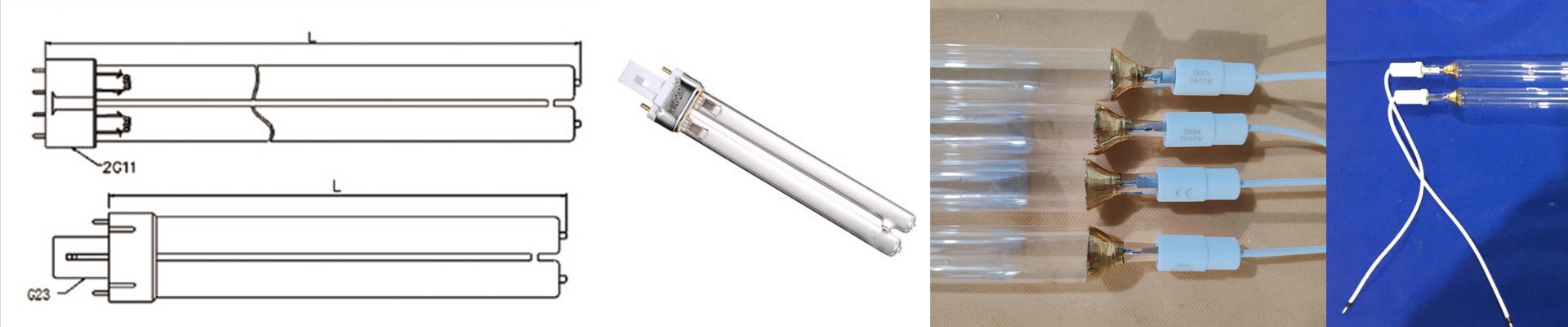
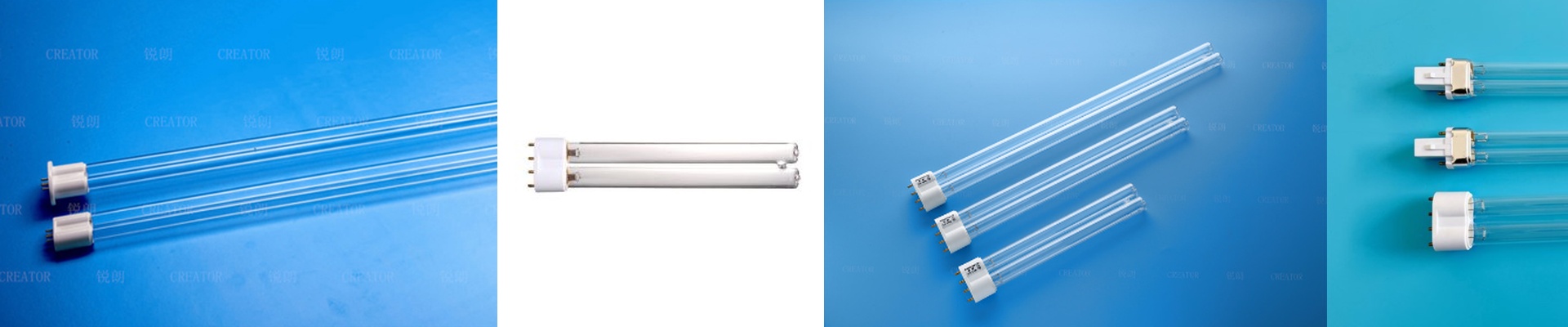
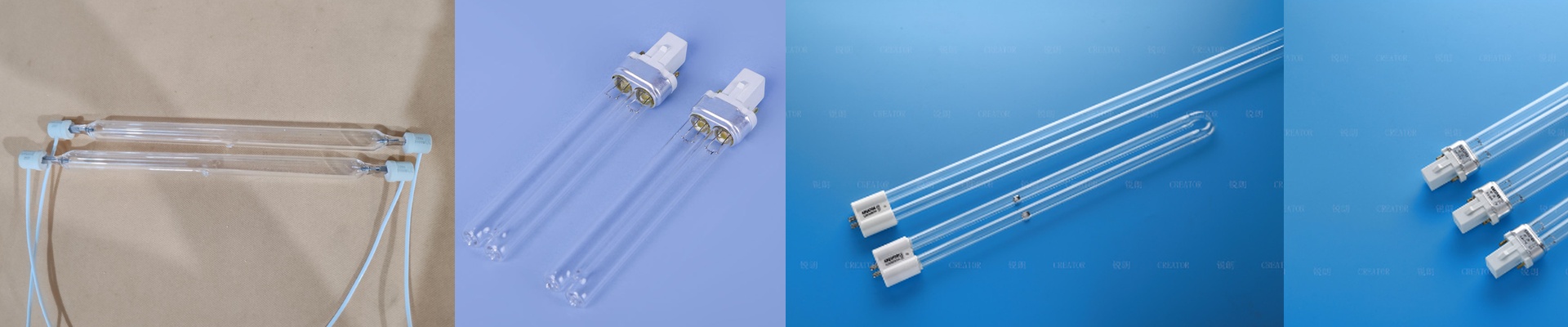
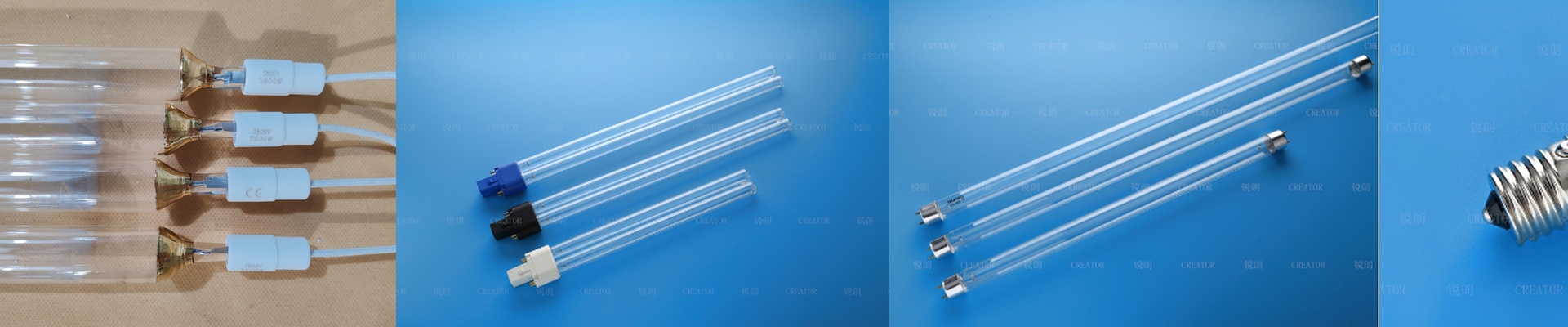
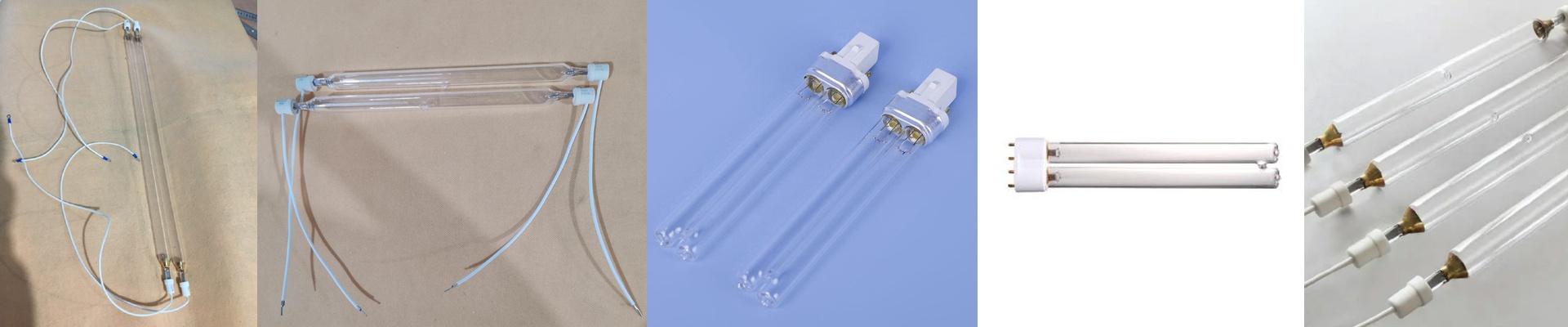
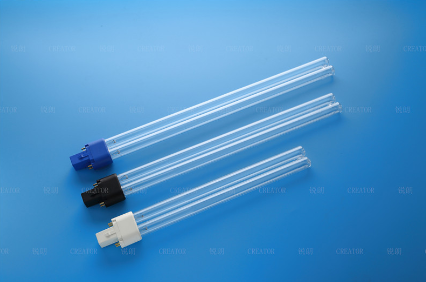
We aren’t just blowing glass here. We’re managing light. Most of the tubes you find on a shelf are “close enough,” but they leak energy into bands where you don’t need it. That’s a waste. In our lab, we obsess over the spectral output. We pick our Quartz specifically so the UV-C or UV-B peaks hit exactly where your process needs them to.
Why the Quartz Actually Matters
Here’s the thing: the purity of the silica decides if your UV actually makes it out of the tube. We stick to high-purity synthetic quartz because it doesn’t soak up the light. When quartz is low-grade, the tube basically eats its own UV output. That light turns into heat, which kills your electrodes way faster than it should. Then there’s the wall thickness. It’s a balancing act. If the glass is too thick, you lose intensity. Too thin? The tube cracks the moment you power it up. We find that sweet spot where it can handle the pressure and the thermal shock without breaking.
The Headache of Wavelength Drift
This is where the cheap wholesale tubes usually fall apart. As a lamp ages, the peak wavelength tends to wander. We fight that by being picky about the gas mixture and the electrode materials. It sounds like a small detail, but a shift of even 5nm can be a disaster. It can make a curing line useless or leave your sterilization system under-powered. If you want to keep your line speeds high, you need the output to stay put.
The Trade-off: Heat
High-intensity UV isn’t free. These tubes run hot. If you push for maximum wattage to hit a specific peak, you’re putting a lot of stress on your reflectors and sockets. You’ve got to make sure your cooling fans and heat sinks are actually up to the task. If your airflow is weak, the quartz overheats. Once that happens, your spectral peak starts to drift and the lamp’s life shrinks. We’ll give you the data sheets so you can get the wiring and the cooling sorted before you flip the switch.