Cutting Out the Middleman: What 15 Years of Making UV Lamps Taught Us
For 15 years, we were the ghosts in the machine. We spent a decade and a half building UV lamps for the big global brands, working behind the scenes. We saw exactly where these things break and why they fail when they hit a real production line. Now, we’re done playing the background role. We’re taking everything we learned on the factory floor and bringing it straight to you.
Let’s talk about stability
A UV lamp is useless if it isn’t stable. We spend a lot of time obsessing over how wattage and tube length play together. Why? Because you need the same amount of light hitting every inch of your curing area. Here’s the thing: when you go for high wattage, you’re dealing with a lot of concentrated heat. If your voltage doesn’t match your ballast perfectly, the lamp will either flicker or just burn out way too soon. We calibrate our output so the light stays steady. No “dark spots,” no guessing games.
Better materials, fewer headaches
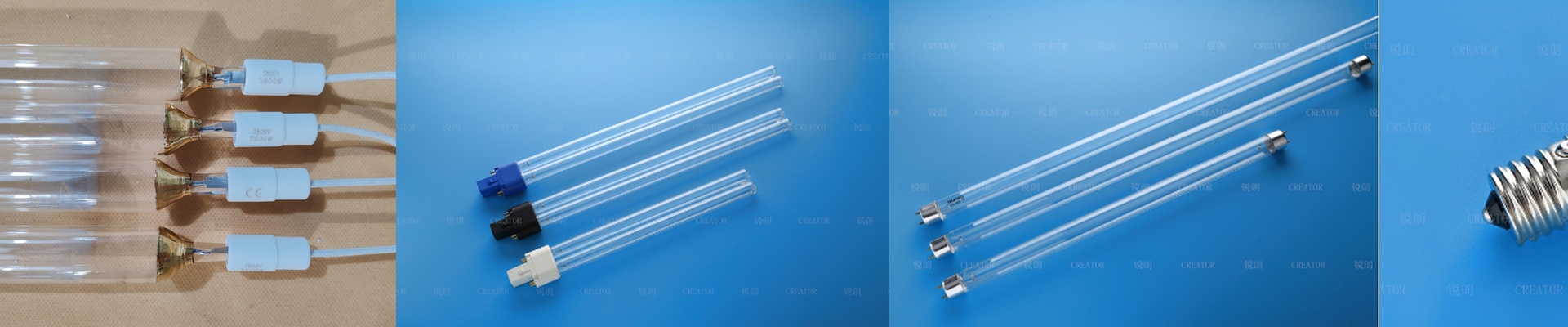
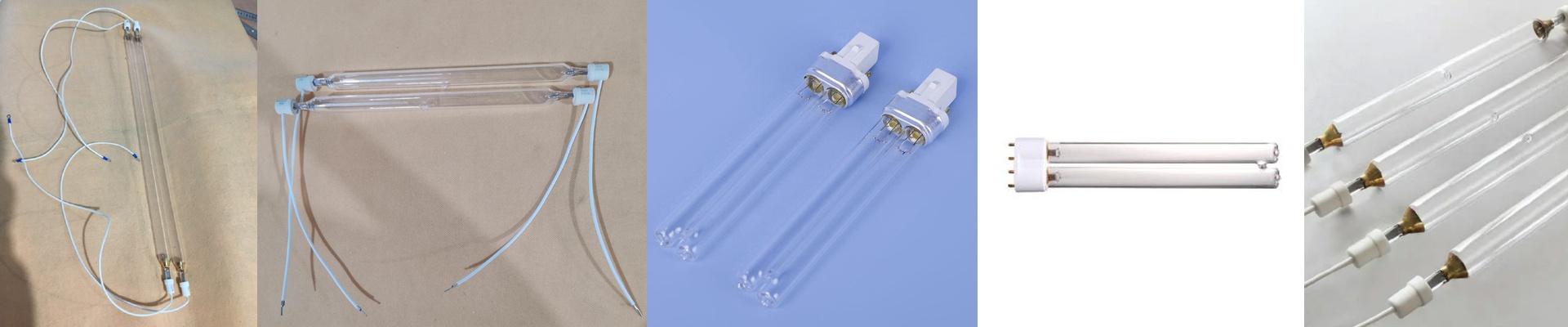
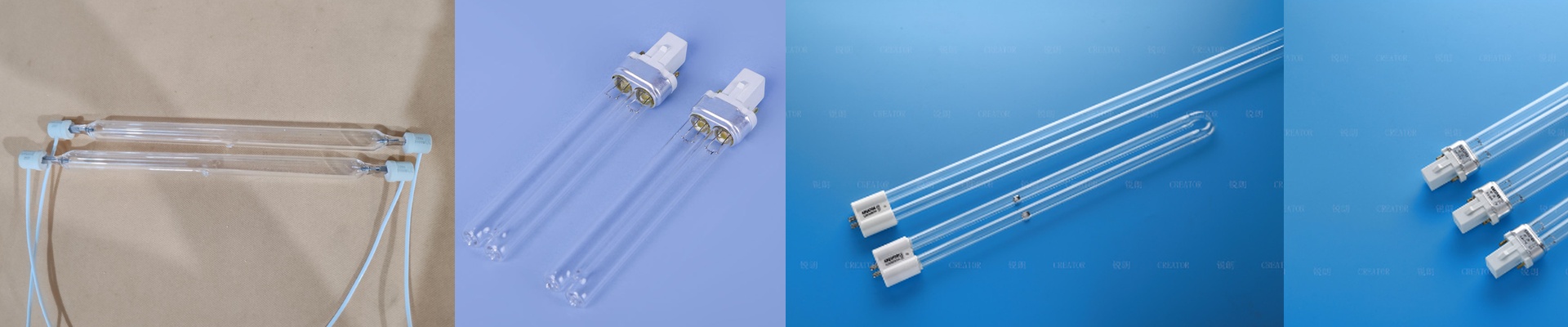
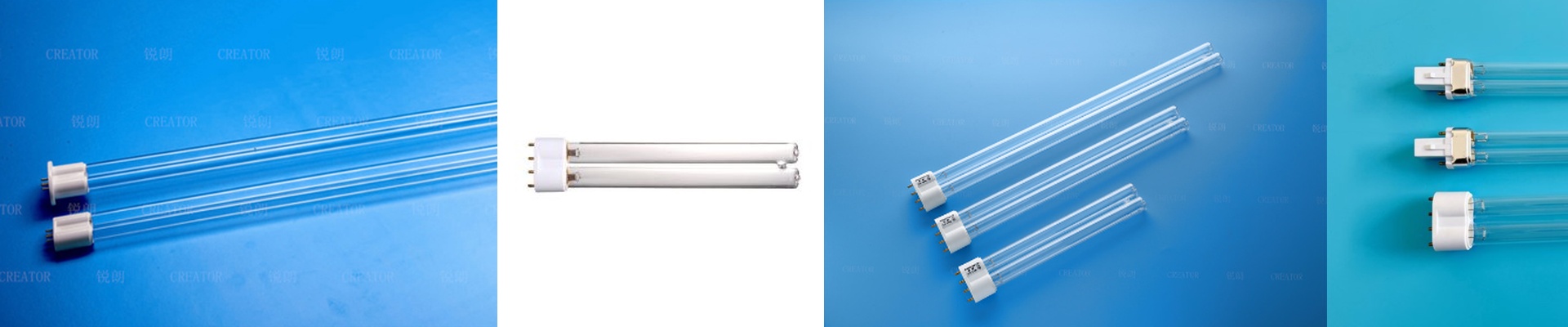
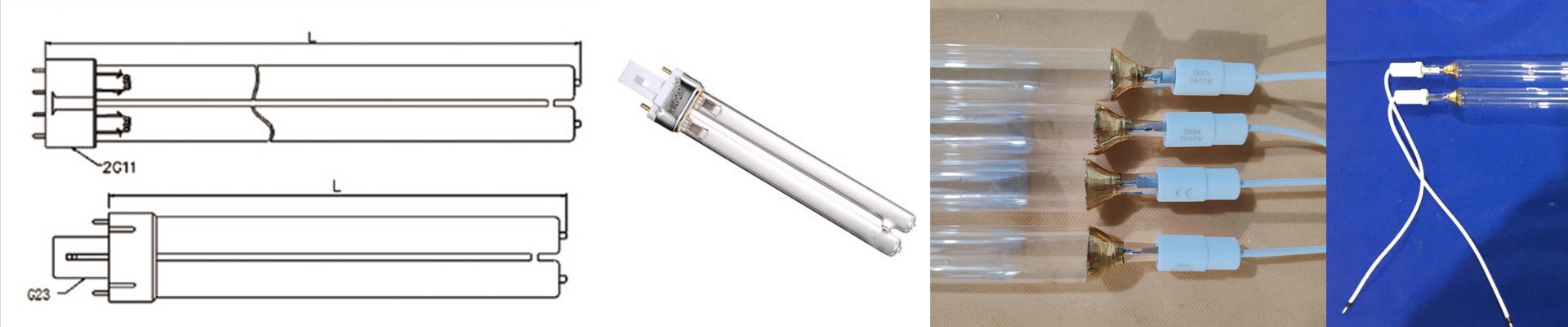
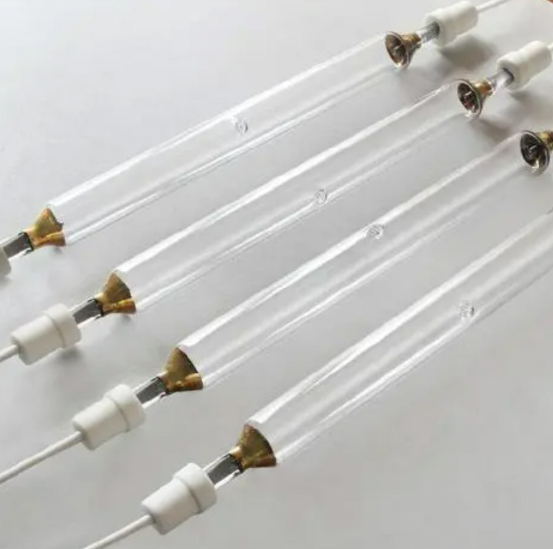
We use high-purity fused quartz because it can actually handle the heat. Cheap glass is a nightmare—it cracks the second the temperature spikes. Our tubes are built to take a beating in a loud, messy industrial setting. Depending on what you’re curing, we can tweak the coatings for shortwave or longwave peaks. And we paid extra attention to the connectors. That’s usually where things go wrong. We use precision pins so you get a tight, snug fit. No arcing at the base, no sparks, no drama.
Fitting them into your setup
The best part? These are drop-in replacements. You can plug them into your existing racks without having to rebuild your whole footprint. It just works. But I want to be honest about the trade-offs. If you push for maximum UV intensity, you’re adding a lot of heat to your conveyor. If you run our high-output series, make sure your cooling fans can keep up. If they can’t, you’re looking at warped reflectors. We’ll give you all the raw data. That way, you can figure out the sweet spot between how fast your line moves and how much cooling you’ve got.