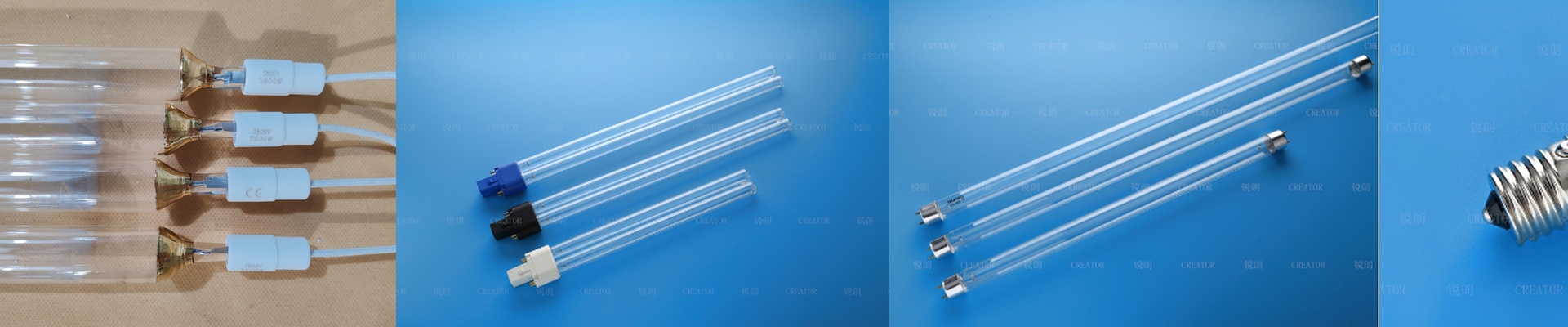
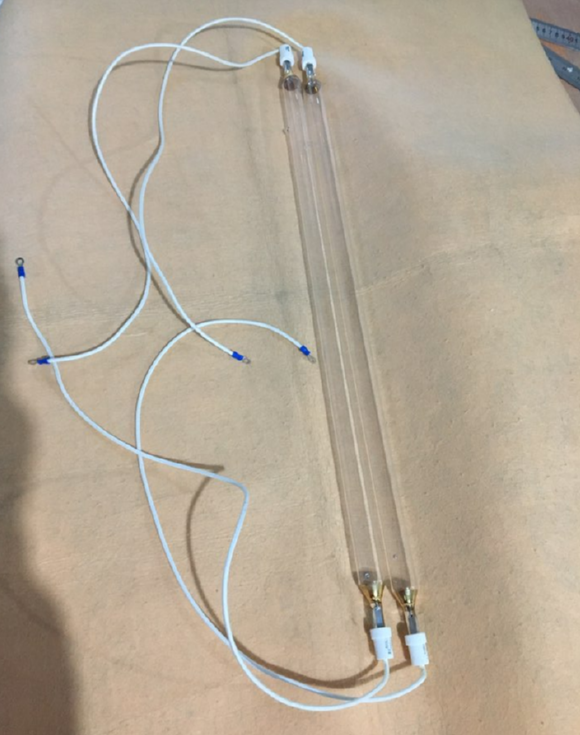
Getting the Most Out of Your 80W/cm Mercury UV Lamps
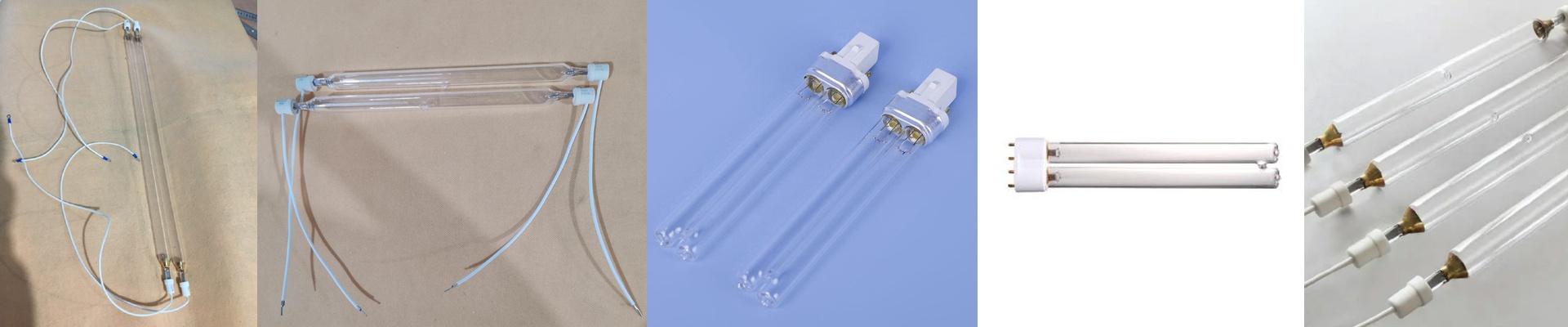
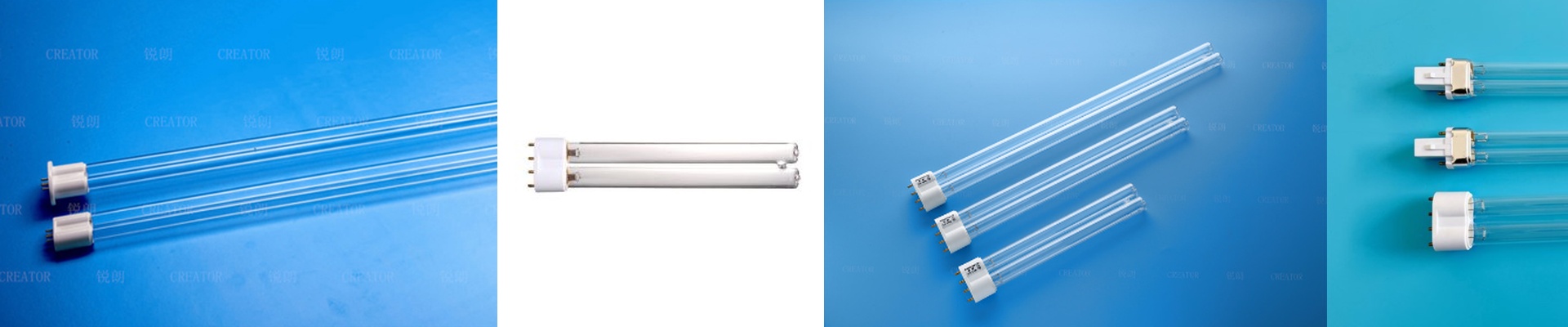
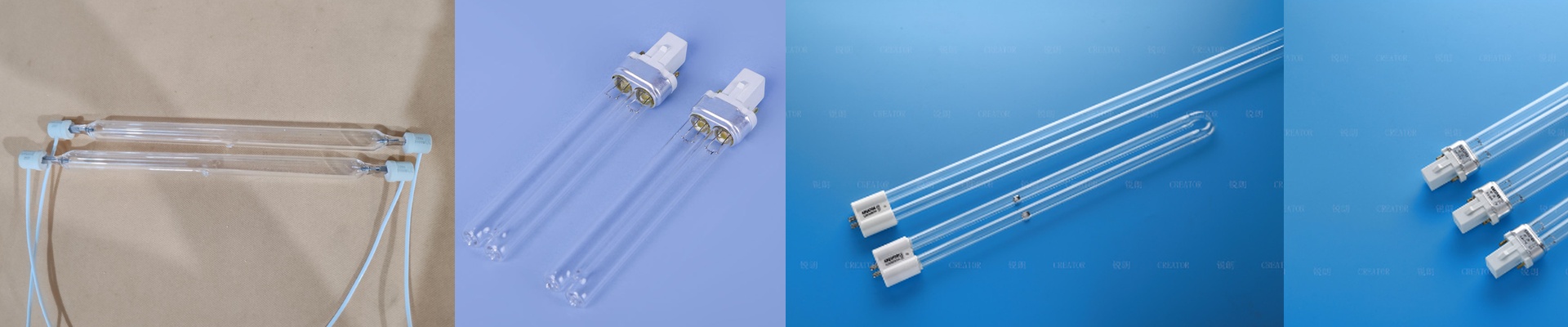
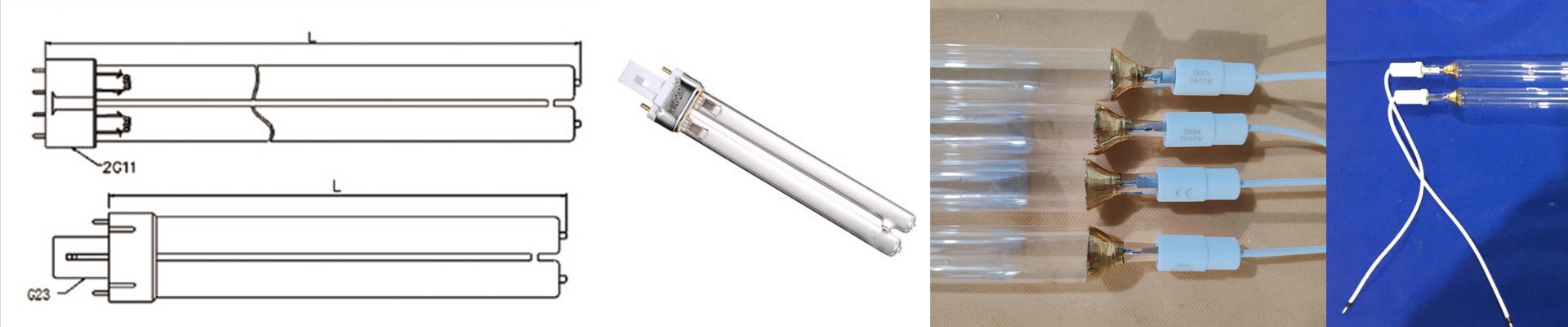
Let’s be honest: most people treat 80W/cm mercury UV lamps like basic tools. You plug them in, they glow, and you hope for the best. Most shops just deal with the fact that these lamps aren’t always consistent. But if you’re working with high-precision coatings, “close enough” isn’t good enough. When your spectral output swings, you get uneven curing. We spent a lot of time in R&D trying to fix that, focusing on tightening that energy concentration down to a 0.5% tolerance.
The Nitty-Gritty of Power Density
Getting a steady 80W/cm isn’t as simple as just cranking up the power. It’s all about the mercury vapor pressure and the thickness of the quartz envelope. Here’s the thing: if that quartz is off by even a tiny fraction of a millimeter, the heat shifts. When the heat shifts, the peak emission wavelength moves. We spec our tubes so the energy stays exactly where it needs to be. No more worrying about “cold spots” popping up on your conveyor line.
Why 0.5% Actually Matters
You might look at a 2% or 5% variance and think, Who cares? But in the real world, that’s the difference between a perfect finish and a surface that feels tacky to the touch—or worse, a thin film that’s so over-cured it becomes brittle and cracks. We hit that 0.5% mark by rethinking the gas fill process and the electrode composition. It means the photons hitting your product are consistent from one end of the lamp to the other. It just works.
The Reality of Setting It Up
Now, there is a catch. This kind of precision puts a bit more pressure on your ballast. If your power supply is “noisy” or has voltage ripples, you’re basically throwing away the precision we built into the lamp. To keep that stability, you need a clean, stabilized current. Otherwise, the tube might flicker or shift its output, and you’re right back where you started. We made these to be drop-in replacements for standard UV ovens. They can take a beating in 24/7 production cycles, but because the spectral window is so tight, you can actually speed up your line without sweating over uncured patches.