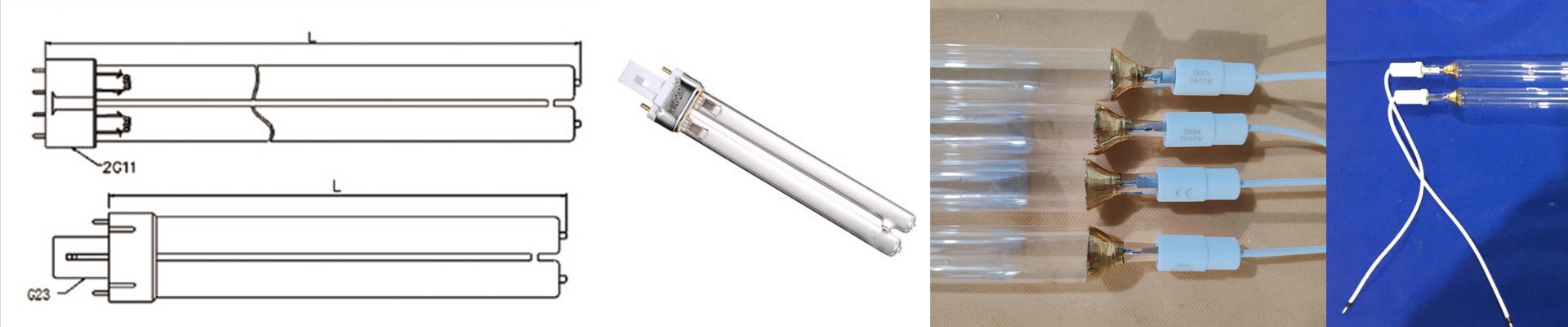
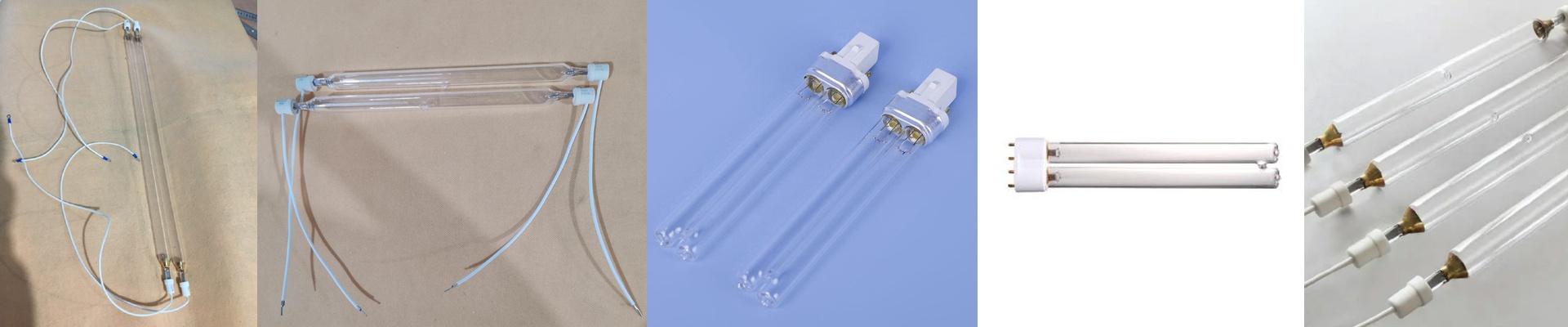
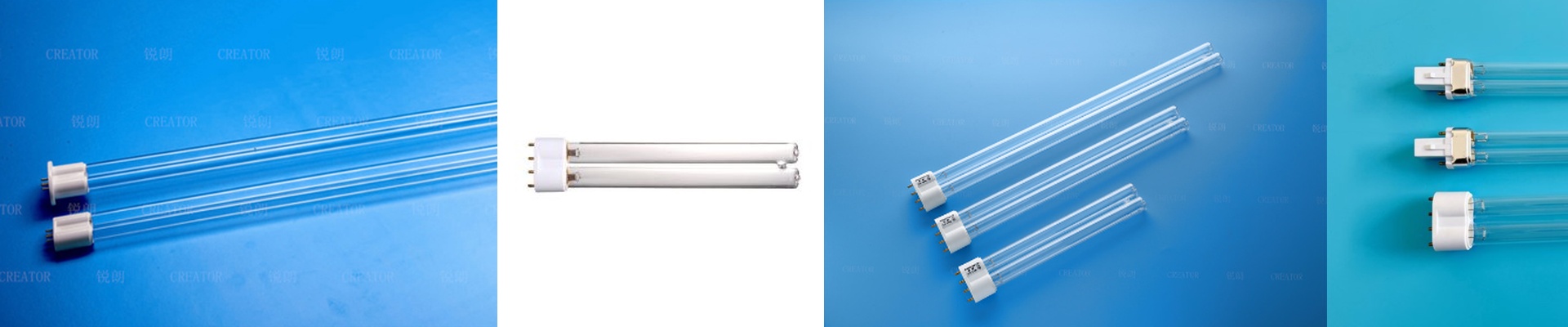
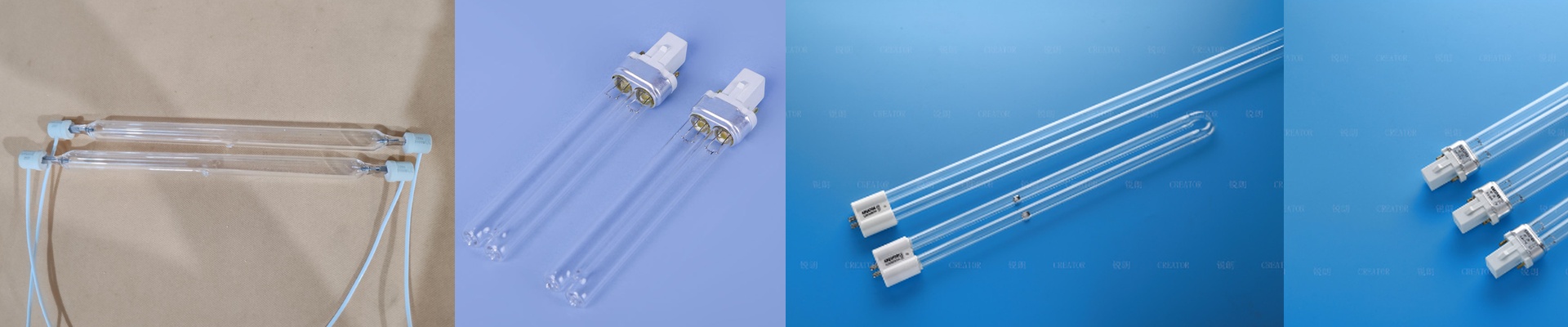
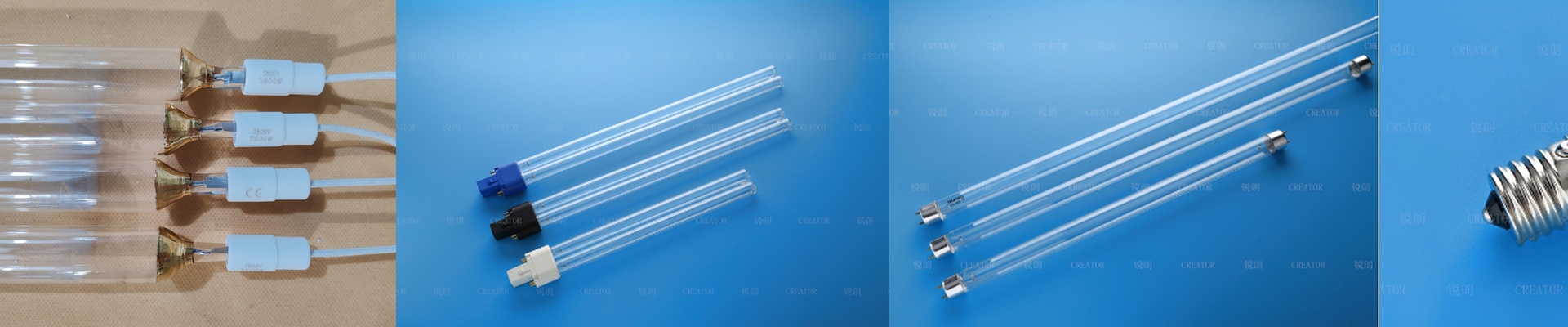
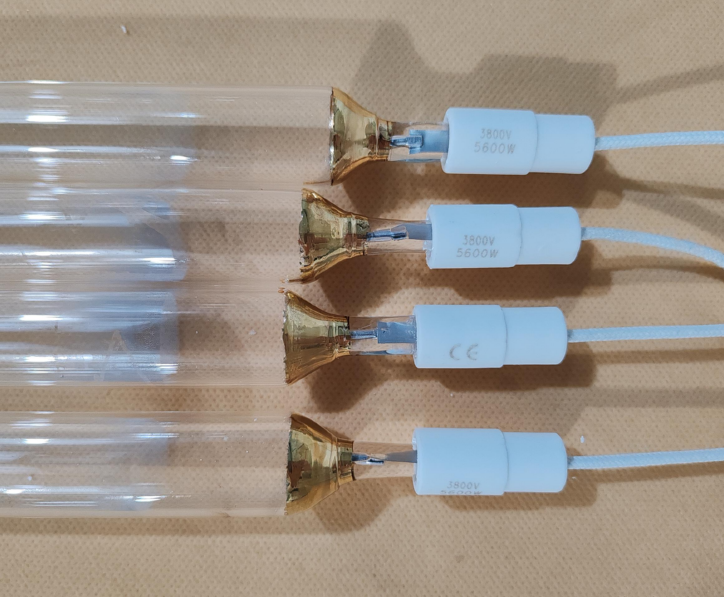
On a 24/7 textile line, downtime isn’t a metric—it’s lost rolls. And ink that doesn’t cure through? That’s rework, or worse, scrap. For predictable, high-intensity output that drives photoinitiator cross-linking through pigmented inks and thick coatings, mercury UV lamps are still the workhorse. What matters under the hood A mercury vapor lamp gives you a broad spectral output with strong peaks around 254nm, 313nm, 365nm, and 436nm. That breadth is exactly why it plays nice across multiple photoinitiator families and ink chemistries in textile work. We spec lamps by electrical power density, arc length, and end-of-life output retention. In practice, you’re chasing peak irradiance at the substrate—often 800–1200 mW/cm² in the UVA band—and enough curing energy density to clear the ink’s required dose, typically 300–800 mJ/cm² depending on opacity and coat weight. High-purity quartz envelopes keep UV transmission solid. Dichroic reflectors shape the spectral energy distribution and help keep heat off the web. Ozone-free variants exist, but you still need solid airflow and the right lamp-to-web spacing to keep substrate temperature in line. Why it holds up on textile lines Textile printing moves long meters at high speed, and mercury lamps deliver the intensity headroom to cure fast without chasing the press. The broad spectrum keeps cure consistent through pigments and thickeners, so you get better through-cure and less residual tack. That means fewer off-spec rolls, a stable print-to-cure window, and lamp replacement cycles you can plan around. The practical details you can’t skip Mercury lamps run hot, and output drops over time—expect around a 10–15% irradiance drop by end-of-life. Match the lamp arc length and reflector geometry to your printer’s web path and dwell, and make sure the power supply is compatible. Keep the quartz clean and keep an eye on substrate temperature; heat buildup will distort synthetics. And run with interlocks and shielding—UV exposure is hazardous, and proper safety design is non-negotiable.