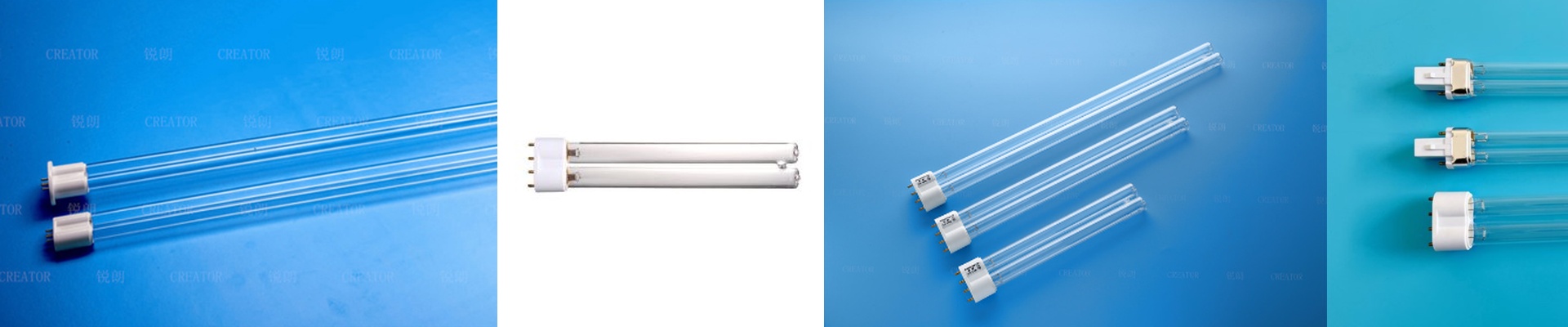
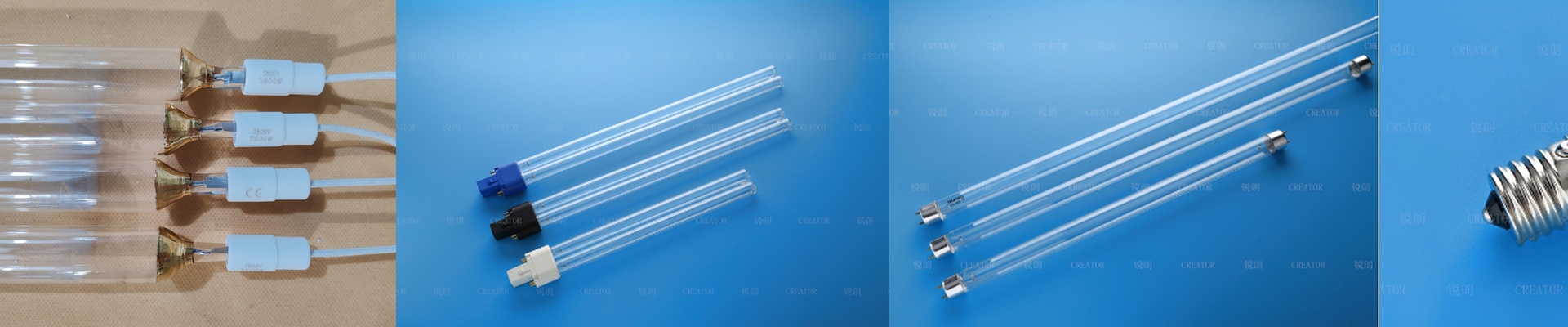
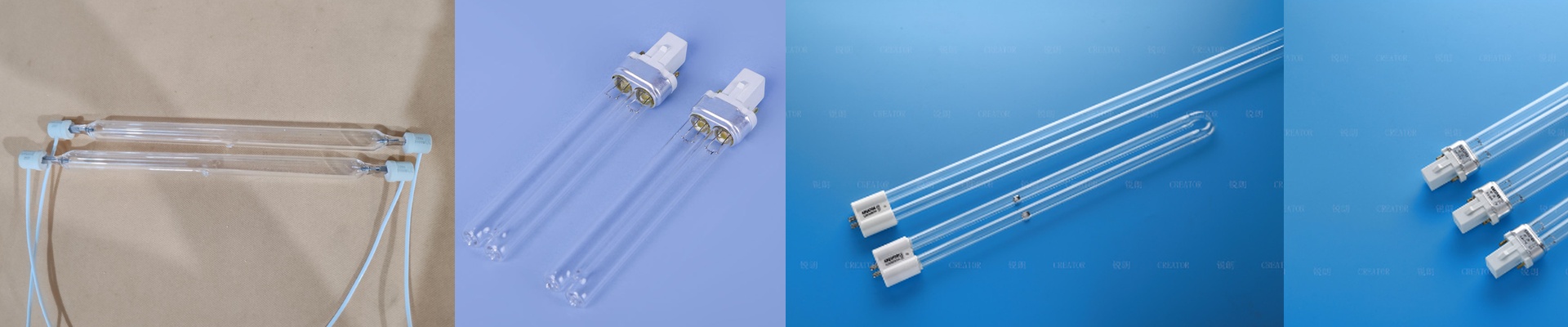
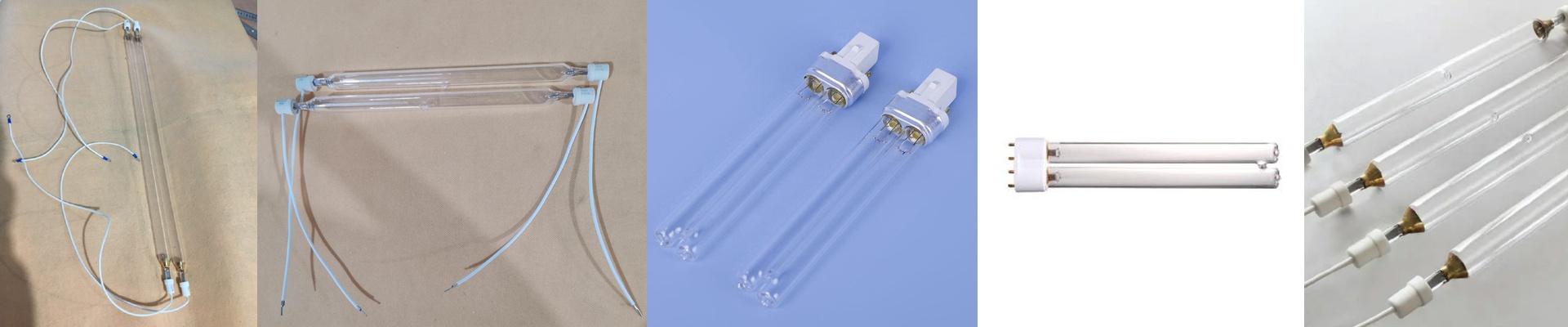
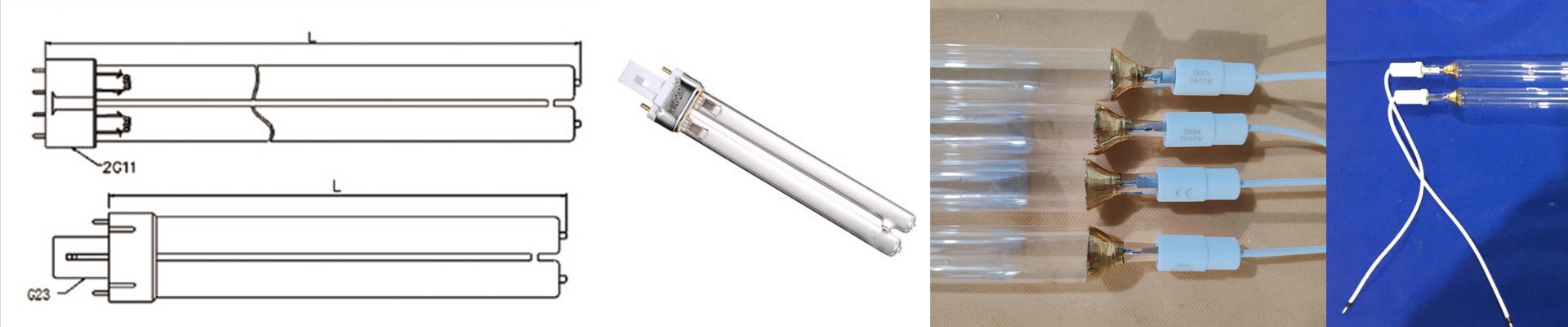
We built these UV curing halogen lamps for one reason: to make your 3D prints come out right, every single time. In 3D printing, the heat has to be spot-on and steady. If it isn’t, the print quality falls apart. So we designed these lamps to pack serious, repeatable heat into a small space—the kind of tight spots you find inside most printer enclosures—and to keep running, even when your production schedule is nonstop.
A closer look under the hood
These lamps run on 400V at 2500W. That power is exactly what you need to push a strong current through a long, 300mm quartz tube without losing any oomph along the way. The 300mm length is a game-changer. It gives you a wide, even cure zone that covers the whole build plate. And that high wattage? It means the lamp snaps to the temperature you need almost instantly, then holds it steady while each layer cures. Just one heads-up: with this much power, you’re going to generate heat. Make sure your printer has the airflow to keep things cool. The lamp can handle the heat, but your setup needs to keep pace.
What’s inside, and why it matters
Inside the tough quartz envelope, you’ll find a halogen element. It’s built to take the shock of rapid heating and cooling, and it keeps putting out strong, consistent light even after thousands of cycles. The lamp has a shortwave, coated finish that filters out visible light and focuses the energy right where you need it—in the UV band. That means your resins cure more evenly, every single time. And the R7s base? It’s a solid, two-contact connection that handles high current without wiggling. It stays locked in place, even when the printer is vibrating during transport or cycling. No wiggle, no worries.
How it feels when you’re actually using it
Here’s the thing about 3D printing: you want the lamp to just work. You don’t want to fight with wiring, or worry about it fitting, or constantly chase temperature swings. Our lamp drops right into the standard mounts, runs on industrial voltage, and just keeps delivering the same output, over and over. That kind of reliability means your layers stick together the way they should. Fewer failed prints. Less time spent troubleshooting. More time actually printing. And honestly? That’s the best feeling.