Introduction
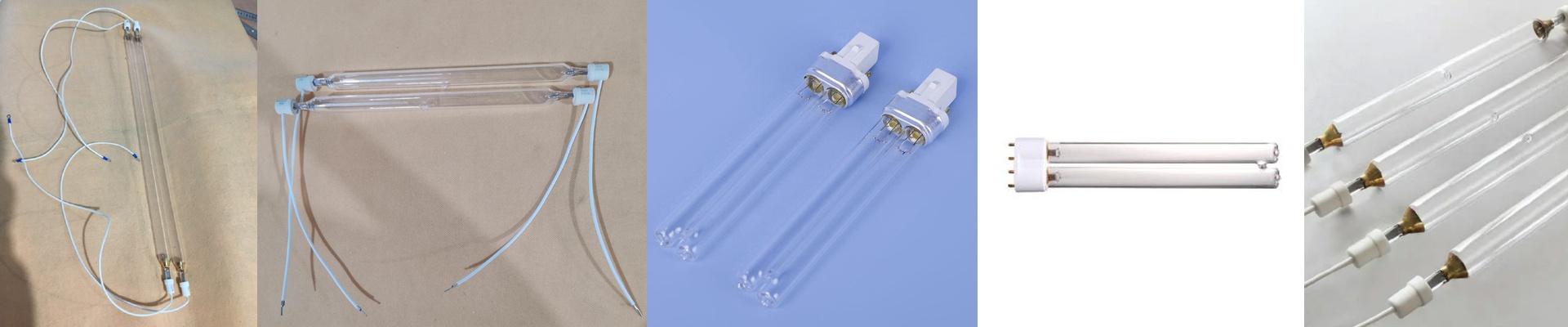
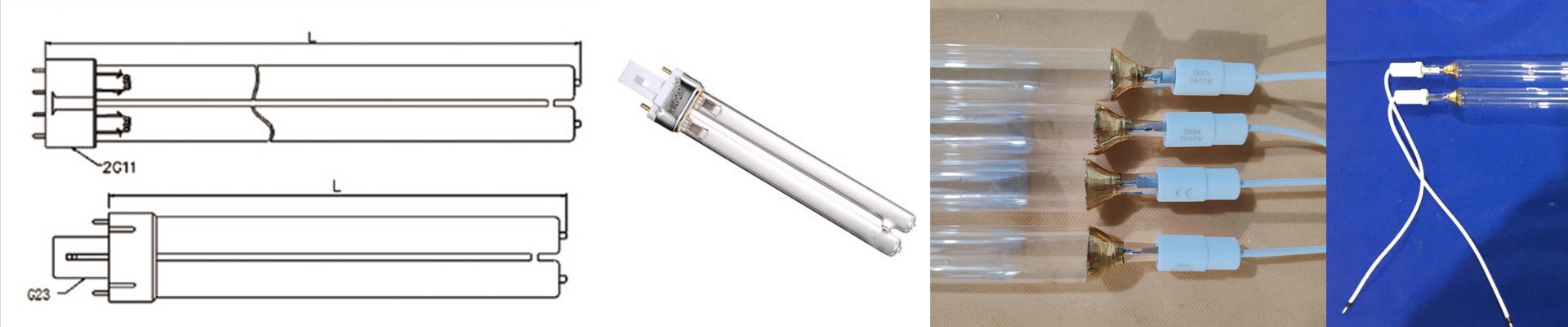
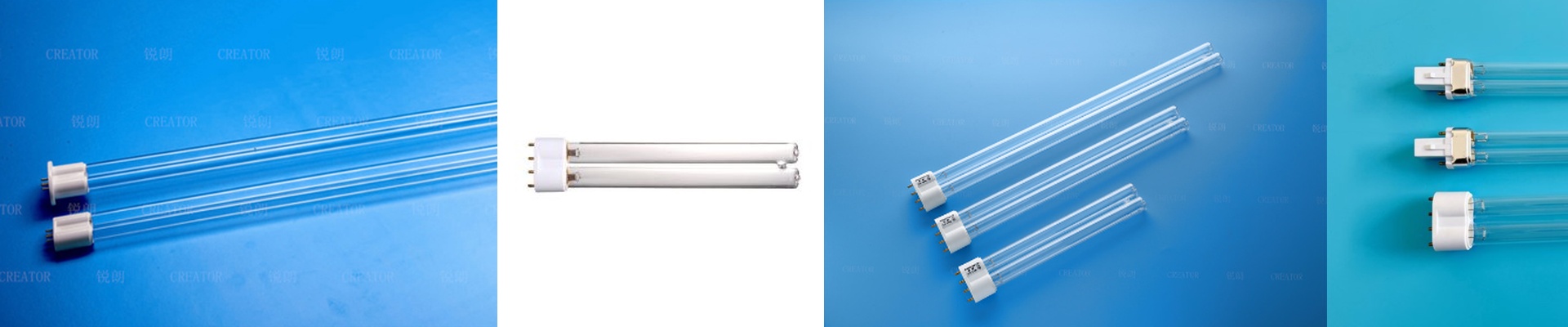
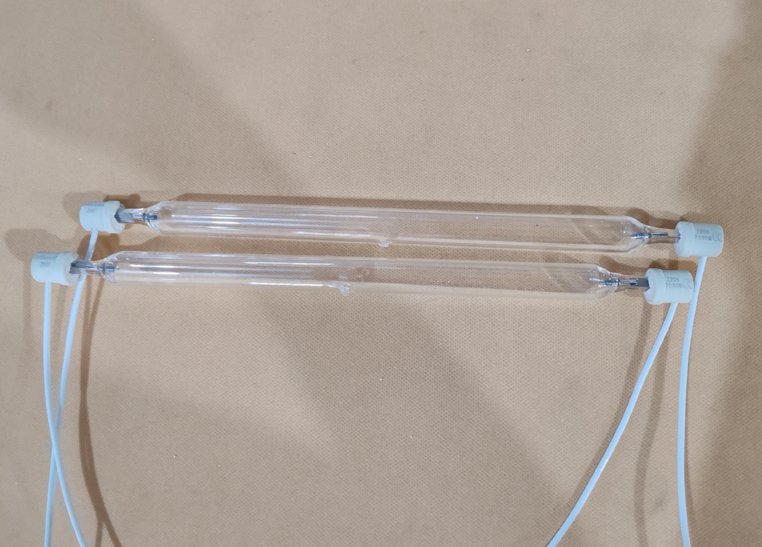
We built this Quartz UVC T5 lamp for one reason: to fix a real headache on the factory floor. Those KTK elliptical machines run a brutal flash-drying cycle, and standard lamps just couldn’t keep up. They’d burn out fast, thanks to all that rapid on-off switching. So, we set out to build something different. A lamp that doesn’t just deliver powerful germicidal UVC light, but one that can actually survive the electrical and thermal stress of starting and stopping, over and over again.
Technical Deep-Dive: Specs for the Job
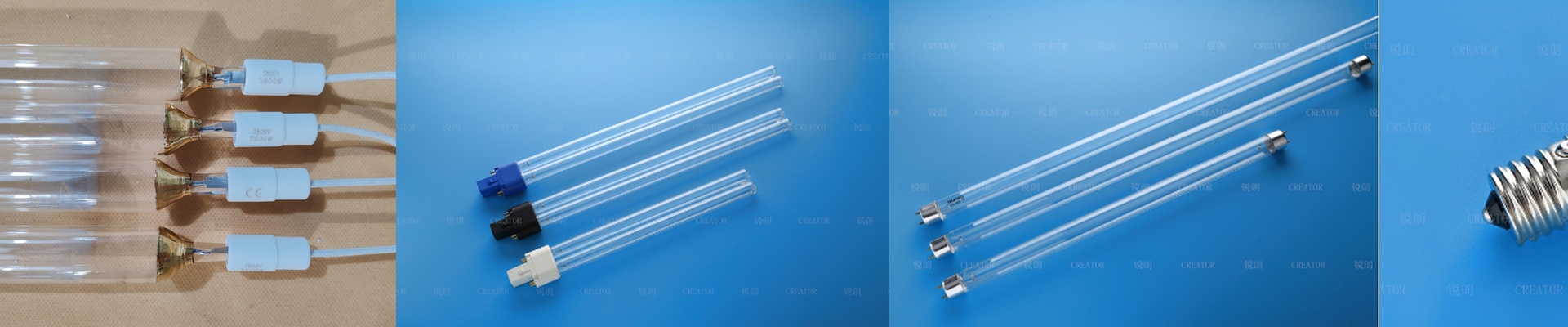
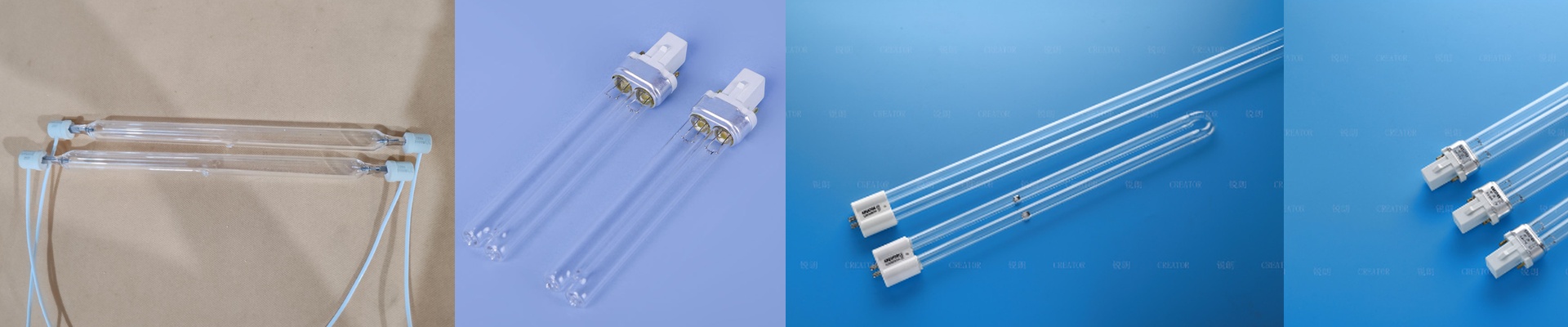
Let’s get into what makes it work. We started with the T5 form factor because it fits right into those tight spots on the machine. But the real magic is under the hood. This lamp runs on a 400V input. That’s not just a random number. It’s what gives the lamp the high voltage it needs to strike a clean, stable arc every single time it starts. That voltage headroom is key. It keeps the lamp from sputtering and struggling to ignite, which is exactly where other lamps fail in high-cycle setups. And the power density? It’s tuned perfectly to deliver the heat and UVC output you need, without creating so much thermal load that it burns the components out prematurely.
Material & Design: Built to Take the Beating
The quartz envelope is a must. It can handle the sudden shock of heating up and cooling down without cracking—something a standard glass tube just can’t do. We also use a special UVC-grade coating, so you’re getting the exact germicidal wavelength you need. Then there’s the anti-start-stop design. It all comes down to the electrodes. We beefed them up to handle the repeated arcing that chews up standard ones. And that industrial-grade connector? It gives you a rock-solid, vibration-proof connection, so the power stays stable, even while the machine is running.
Application & Benefits: Solving the Flash Drying Problem
On a KTK elliptical, the drying process happens in quick bursts, not a steady run. A normal lamp would see its electrodes erode and fail in no time. Our lamp keeps delivering consistent output through thousands of cycles. The payoff? It means more uptime for you. You wire it in, set your cycle parameters, and you can trust it to perform without failing early. Now, there is one trade-off: heat. The high-density output means you need a properly sized cooling system to manage the ambient temperature. But if you’ve got the cooling spec’d right, you get a reliable, drop-in solution that keeps your production line humming.