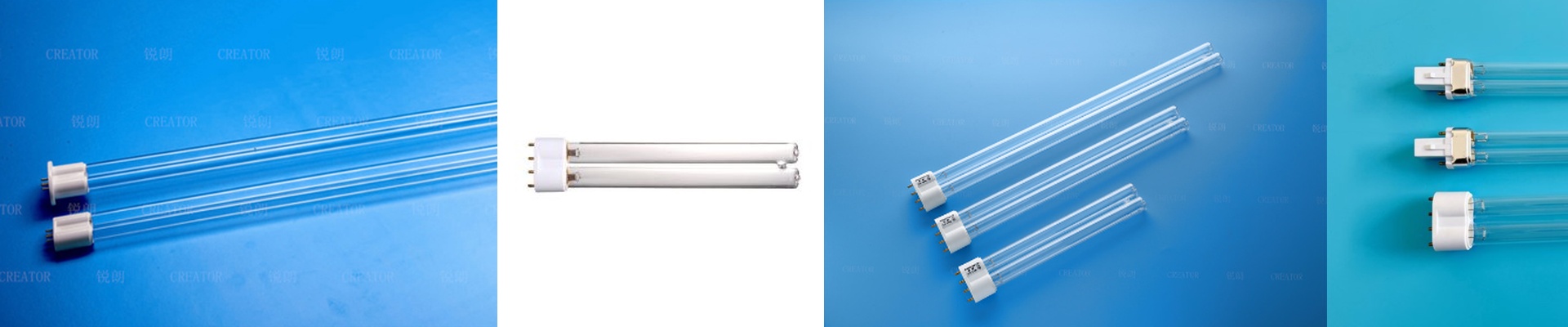
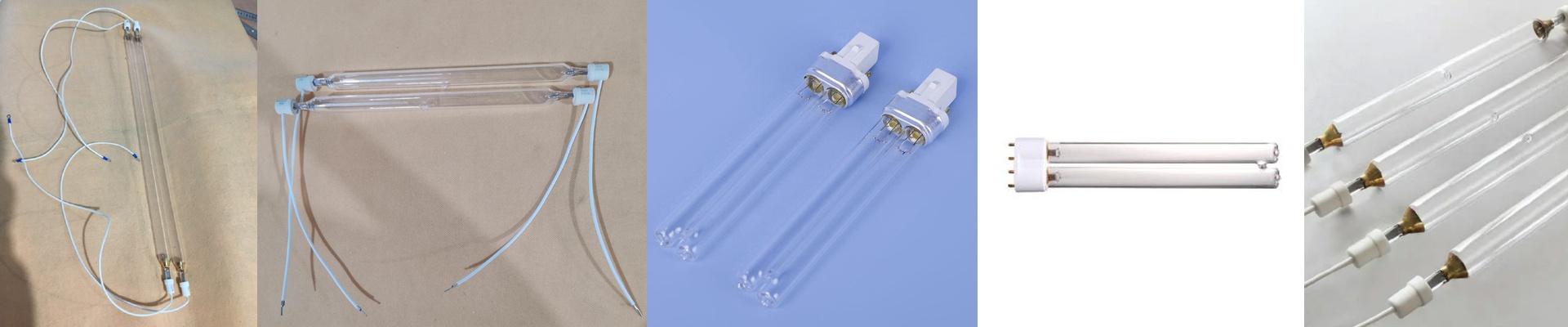
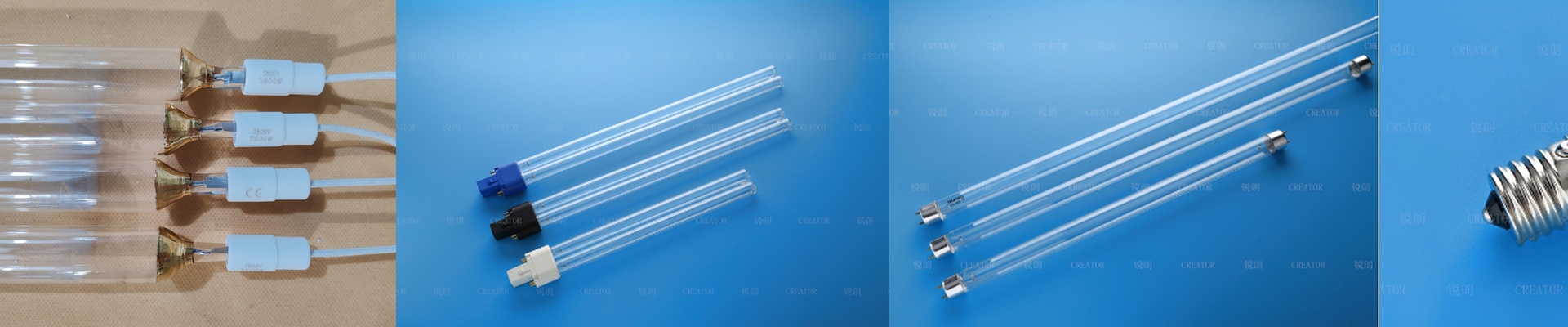
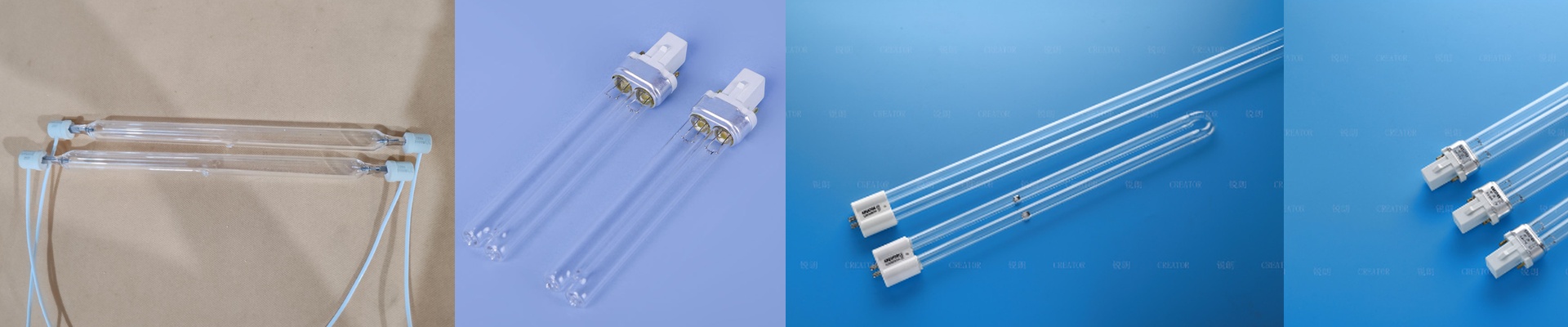
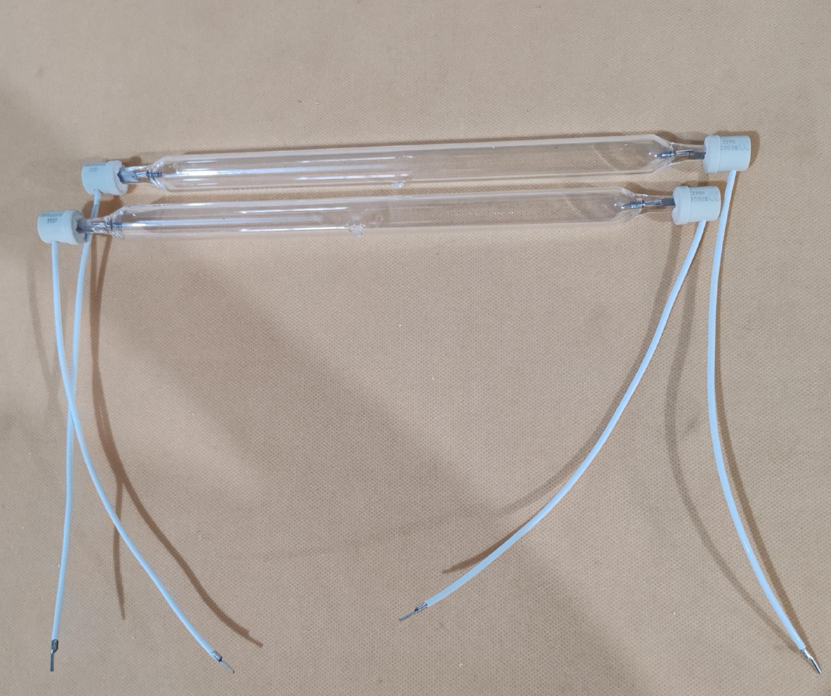
On the floor, the reptile terrarium line doesn’t pace itself around ambient temperature. You’re laying down high-solids coatings and UV-curable inks on glass, acrylic, and engineered plastics, and the only thing keeping the run from getting scrapped is photon energy—delivered at the right wavelength, with the right dose, at the right speed. Heat alone won’t cross-link a coating. Heat alone won’t set a print. Heat alone will warp an acrylic panel and blow up your dimensional tolerances. We build UV lamp systems for reptile terrarium manufacturing that treat curing as a measurable photochemical process, not a thermal side effect. The question isn’t how hot the lamp feels. It’s how many millijoules per square centimeter actually reach the substrate, at what spectral profile, and how consistently that output holds up over thousands of hours.
What matters under the hood
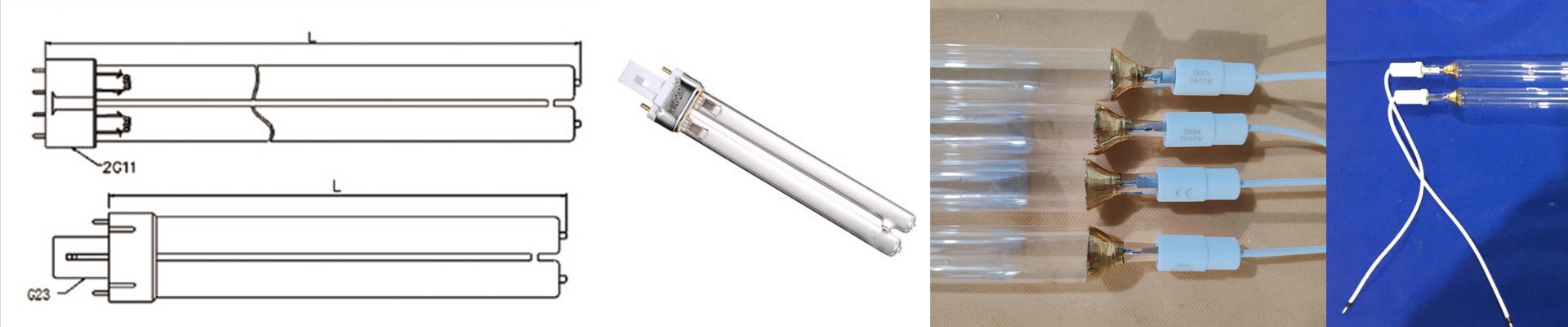
In terrarium production, you’re curing coatings and prints on materials that don’t take heat well. The UV system has to deliver enough energy to drive photoinitiator decomposition and polymer cross-linking without distorting the part. That comes down to controlling five levers. **Spectral output and wavelength selection.**Most UV-curable coatings and inks used on terrarium enclosures are formulated for the long-UV window. A 385 nm or 405 nm profile typically penetrates thicker films and pigmented layers better than a hard 365 nm line, while still packing enough photon energy to trigger curing. We match the lamp spectrum to the photoinitiator package and film thickness, instead of defaulting to a one-size mercury vapor spectrum. **Dose and energy density.**Curing is chemistry, and chemistry needs dose. You measure it in mJ/cm², not temperature. A lamp that touts “high intensity” but doesn’t deliver enough total energy will give you a surface that feels dry while staying under-cured—microscopically tacky, with weak cross-link density. We specify systems to hit a controlled energy density window, so you can set the dose to the formulation and line speed, then repeat it shift after shift. **Peak irradiance and cure speed.**Peak irradiance (W/cm²) determines how fast the surface hits the activation threshold. On high-speed printing or coating lines, you need high peak irradiance to prevent migration, set-off, and incomplete surface cure. In thick-film work, you need enough peak irradiance to drive the reaction through the full film, not just the top layer. We design reflector geometry and lamp power to hit the irradiance profile the process demands, so you can run at production speeds without sacrificing cure depth. **Lamp life and output stability.**Output degrades as the lamp ages—the curve is real. If you’re tuning your process to a minimum dose, a lamp that drops 15% output in the first 1,000 hours will force you to over-spec the power setting, and that invites substrate stress. We call out lamp life as a measured curve, not a marketing number, and we design the system so irradiance stays stable over its life, with predictable end-of-life behavior. **Reflector efficiency and optical control.**The reflector isn’t decoration. It decides how much of the lamp output gets captured and delivered to the substrate, and it shapes the energy footprint. A well-engineered reflector concentrates energy where the substrate passes and cuts down wasted flux that becomes heat and ozone. We match reflector geometry and dichroic coatings to the target wavelength and the web or sheet path, so the delivered energy lands where the chemistry needs it.
Why this fits terrarium manufacturing
Reptile terrarium lines are mixed-material environments. You coat glass, print on acrylic, and assemble components that have to hold tight tolerances. The UV system has to perform across these substrates without turning into a heat bottleneck. **Faster cycles without thermal runaway.**The lamp delivers photon energy that cures, not heat that warps. That means you can run faster without waiting for the substrate to cool, and you can stack finished parts sooner. In practice, that translates to shorter changeovers and fewer heat-related rejects on acrylic panels. **Consistent cure across pigments and coatings.**Terrarium finishes often use pigmented coatings and UV-curable inks with variable absorption. A lamp tuned to the formulation’s effective spectral window cures through the film, not just at the surface. The payoff is a more uniform cure, less tack, and better adhesion because the cross-linking reaction completes through the full thickness. **Lower energy draw and fewer lamp changes.**The lamp system is matched to the task: enough power to cure at line speed, not more than needed. That cuts electricity consumption per cured unit. And because the lamp life curve is stable and predictable, you plan maintenance on schedule instead of reacting to output drift and unplanned downtime. **Print process compatibility.**When the line runs different printing methods—screen for thick deposits, flexo for fine graphics, or other processes—the UV lamp has to be swappable without re-engineering the whole station. We size the lamp, reflector, and power supply to fit standard print platforms, so you can change the lamp module to match the ink chemistry and deposit height, not the entire curing station.
What you need to get right
A UV curing lamp isn’t a heat lamp with a different label. It’s a photochemical tool, and it deserves the same respect as any precision process equipment. **Installation and focus.**The lamp has to be aligned to the substrate path so the peak irradiance zone lands on the coating or ink. Misalignment wastes energy, creates uneven cure, and hikes heat load on the substrate. Plan on spending time on initial optical alignment, then document the setting so changeovers are repeatable. **Substrate heat limits.**Even with a curing-focused output profile, the lamp still produces infrared energy. Thin acrylic and certain plastics can soften if dwell time and irradiance are mismatched. If you’re curing heat-sensitive substrates, confirm the thermal tolerance and run a thermal profile test before you lock in line speed and lamp power. **Ozone management.**Some UV lamp technologies generate ozone at the lamp ends and in the surrounding air. In a factory setting, you need a controlled extraction path and adequate airflow to keep ozone below exposure limits. We offer ozone-free configurations where appropriate, but the ducting and ventilation have to be engineered into the machine, not tacked on later. **Power and cooling.**The lamp system needs stable voltage and sufficient cooling to hold output steady. Voltage fluctuations translate to output instability; insufficient cooling forces the lamp to thermally de-rate, and the cure dose drops with it. Treat the lamp power supply and cooling as part of the process spec, not optional extras. If your reptile terrarium line is measuring curing by temperature, you’re flying blind. Specify the photon energy you need, set the dose to the chemistry, and run the lamp as a controlled process variable. That’s how you get repeatable curing on glass and plastic, at production speed, with predictable maintenance and stable output across the lamp life.