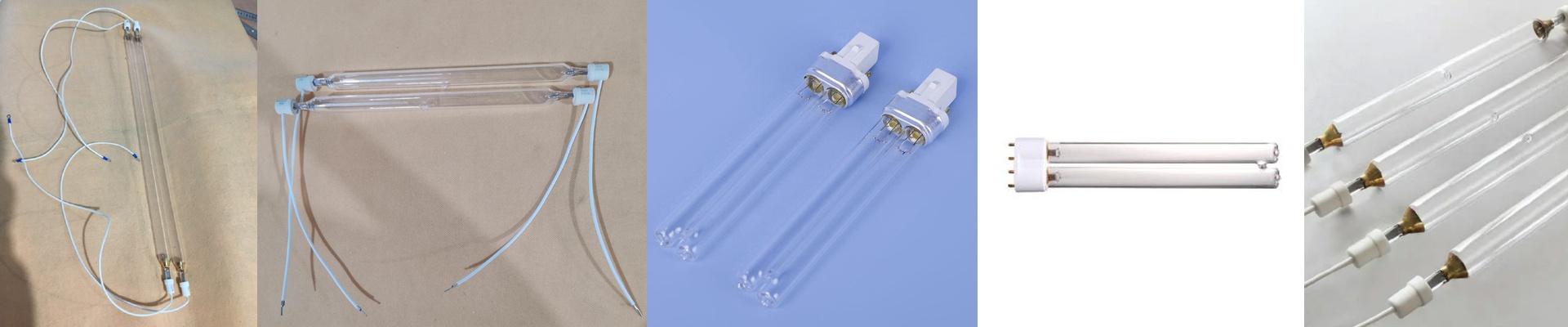
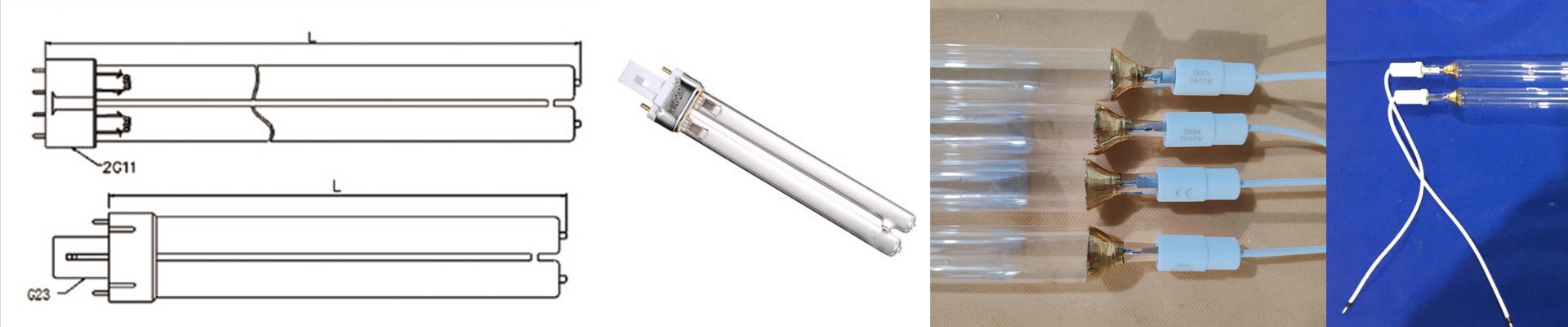
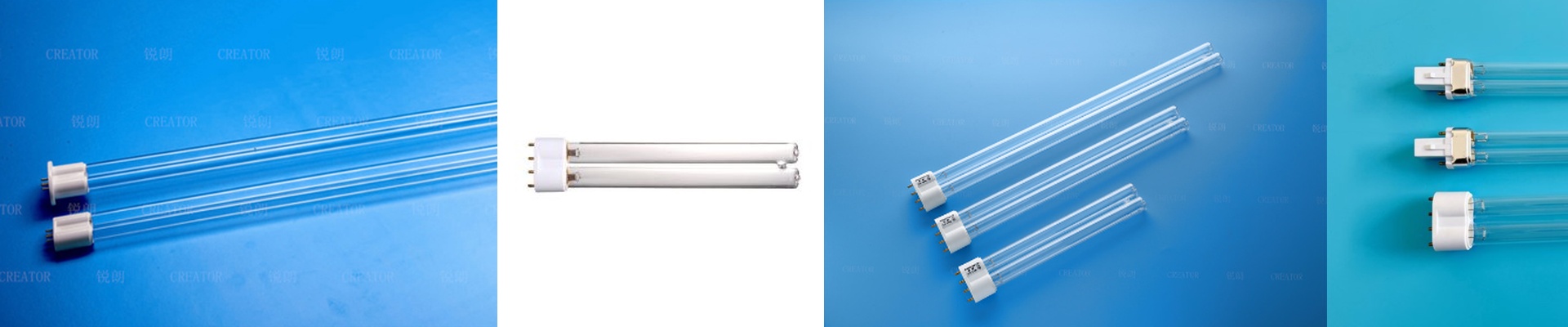
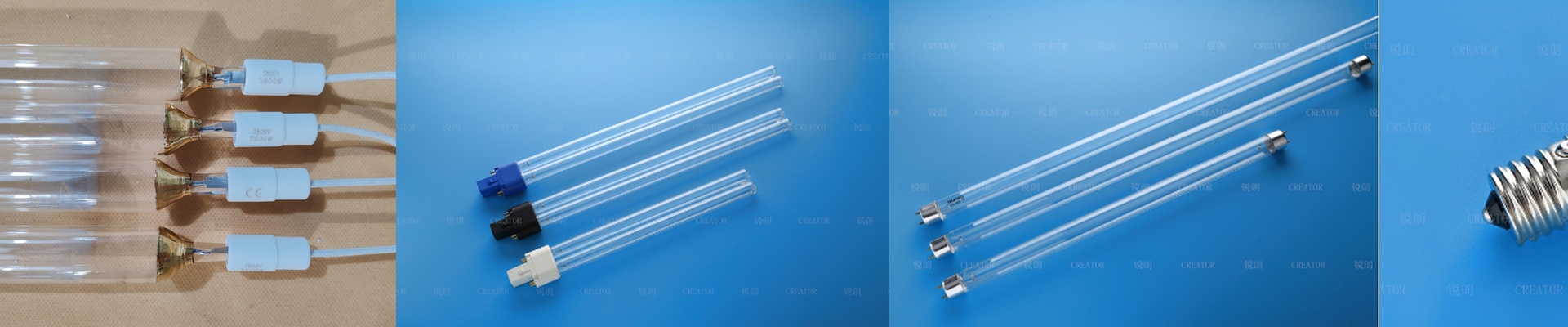
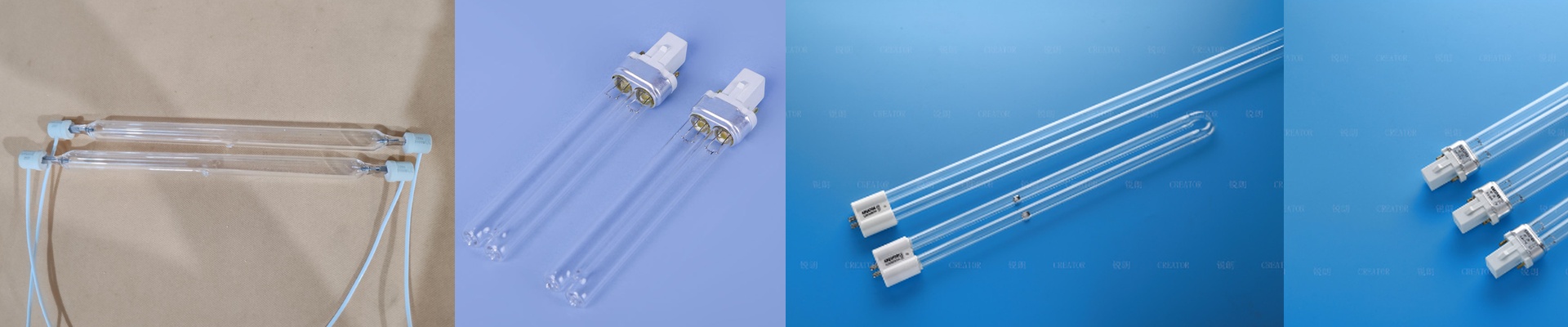
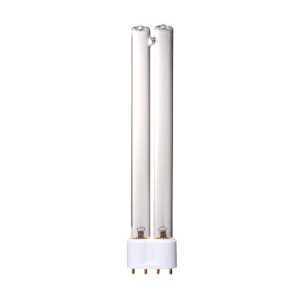
Let’s talk about the 120W/cm Mercury UV Lamp
We set our standard lamps at 120W per centimeter. We didn’t just pull that number out of a hat. It’s the sweet spot for most high-speed industrial lines—enough punch to crosslink your polymers quickly, but not so much that you end up scorching your materials.
Dealing with the heat
Here’s the thing: 120W/cm is a lot of energy packed into a tiny space. To handle that, we use high-purity fused quartz. It’s tough. It lets the shortwave UV fly right through while standing up to the brutal heat of the arc. But there’s a catch. All that power creates a ton of infrared heat. If your cooling fans or water jackets aren’t up to the task, you’re going to have problems. We’re talking warped thin films or a conveyor belt that’s way too hot to touch. Keep an eye on your cooling.
The science (the simple version)
We use mercury vapor to get those specific 254nm and 365nm peaks. Those are the “magic” wavelengths that actually wake up the photoinitiators in your ink or coating. It sounds simple, but getting it right is hard. We’ve spent 15 years tweaking the gas fill and the shape of the electrodes. Why? Because nobody wants a lamp that flickers or dies right in the middle of a big run.
Getting it running and keeping it alive
These are designed to be drop-in replacements. They fit international standard fixtures, and we’ve made the end-cap seals rugged enough to handle a few bumps during installation. Once they’re in, your ballast does the heavy lifting. If your voltage regulation is messy, it’ll eat your electrodes for breakfast. And a pro tip:**Keep the quartz sleeves spotless.**Seriously. A single fingerprint or a thin layer of dust can create a hot spot. That’s how you get cracked glass, and that’s a headache you don’t need.