Introduction
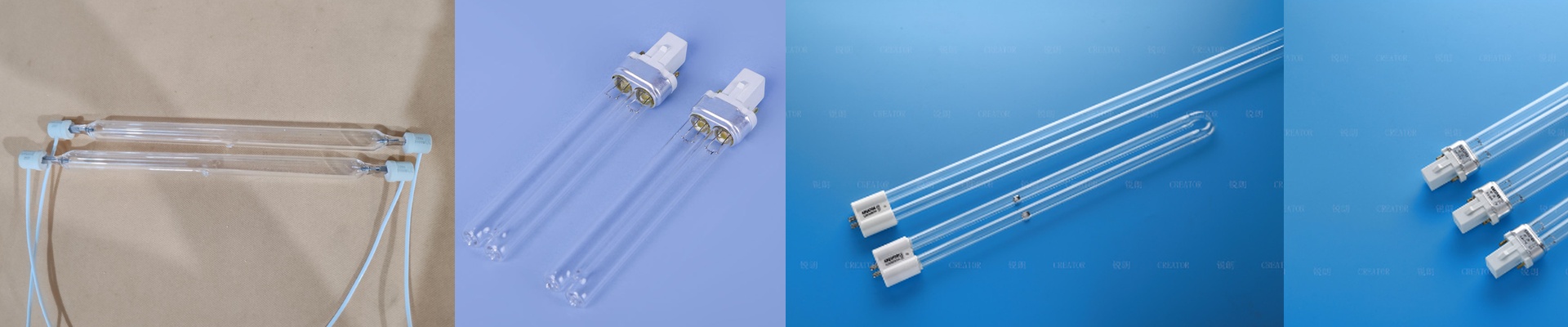
We build UV curing lamps for label presses, and for us, CE certification isn’t just a checkbox. It’s a core part of how we engineer everything. That certification is what opens the door to serious, high-end markets worldwide because it forces us to meet real, testable standards for safety and performance. And for you? It means peace of mind. You get predictable curing, steady electrical performance, and a component that just works when you slot it into your press line. No surprises, no headaches.
The Nitty-Gritty: Power, Voltage, and Size
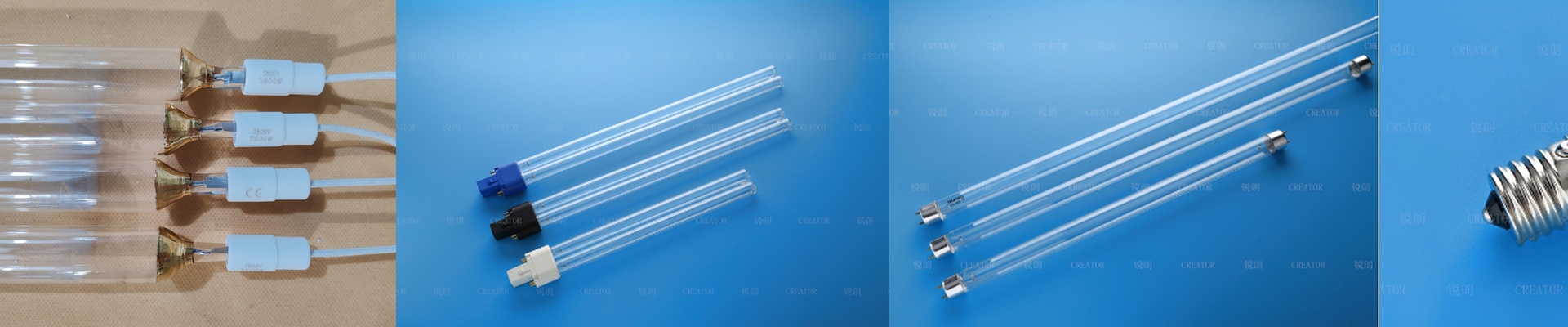
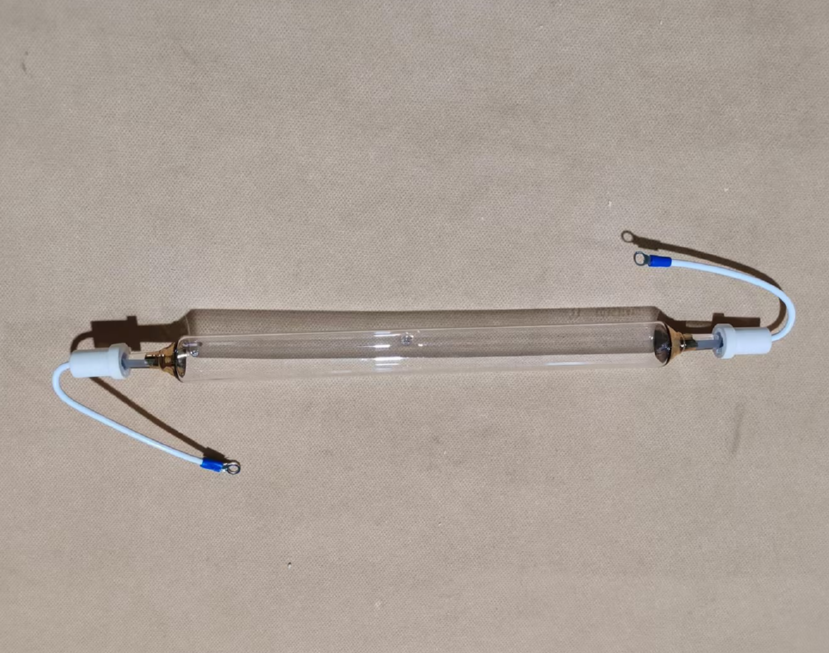
On a fast-moving label press, the UV lamp has to deliver stable power, no matter how quick the line is running. We engineer our lamps to give you repeatable energy, so the ink cures perfectly every time—no wrinkling, no adhesion issues. The voltage and wattage are carefully matched to the lamp’s length. This keeps the electrical load within safe limits for the quartz and the filaments. We typically go with a 400V high-voltage setup because it draws less current for the same power. That means less stress on the wiring and keeps the ballast and connectors from overheating. Then there’s the physical length. We size the tube to match the exact curing window on your press. Too short, and the edges won’t cure. Too long, and you’re wasting energy and dumping extra heat into the reflector. We get it right so the whole active zone gets hit with uniform intensity.
Inside the Build: Quartz, Coating, and Connections
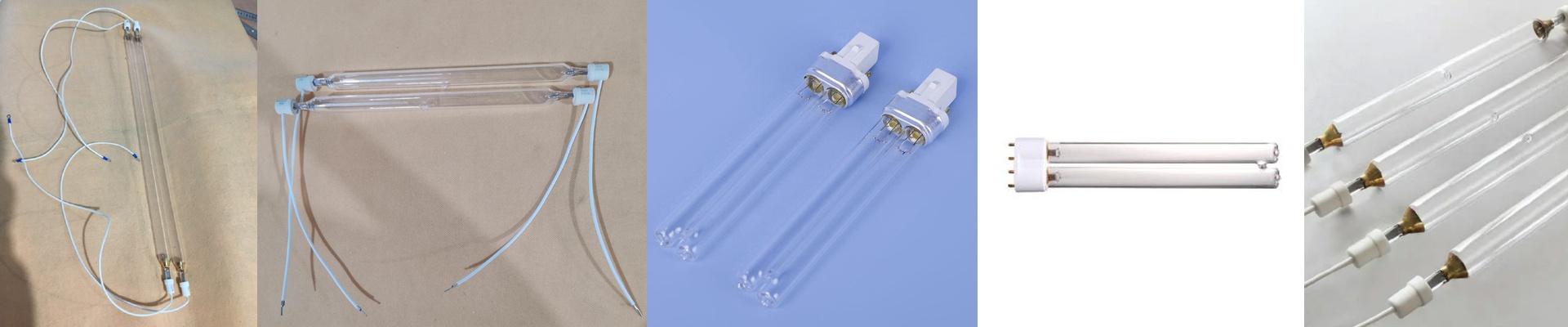
Inside, we use UV-grade quartz. It’s not just about transmitting the right spectrum; it’s tough enough to handle the thermal shock of rapid on/off cycles. And that internal coating? It’s far from cosmetic. It’s a precisely controlled layer that shapes the light spectrum and stabilizes the arc. The result? Consistent cure speed, job after job. We use an R7s connector because it’s the practical choice. It’s a secure, high-temp interface that makes swapping the lamp on the press quick and easy. It handles the thermal expansion of the quartz tube and keeps contact resistance low, which is crucial when you’re running long hours at high wattage.
Real-World Performance: Built to Work, Built to Comply
On the floor, the lamp has to be a straight-up drop-in replacement. We design it so you can wire it up, align the reflector, and get back to making product. The CE mark means the lamp meets the essential standards for electrical safety and electromagnetic compatibility. That makes integrating your equipment into regulated markets a whole lot smoother. Now, here’s the trade-off: high wattage and high voltage give you serious curing power, but your machine’s cooling system needs to be up to the task. If the airflow and thermal management are undersized, the lamp will run hotter than it should, and its lifespan will suffer. Plan for the heat load up front, and the lamp just runs right, day after day.
Why Certification Matters for the Long Haul
CE certification is a gate, but it’s also a discipline. It pushes us to document materials, test assemblies, and validate performance. For you, that means fewer failures out in the field, cleaner compliance files, and easier acceptance from end users in demanding markets. We see it as part of the product itself, not an extra step we tack on at the end.