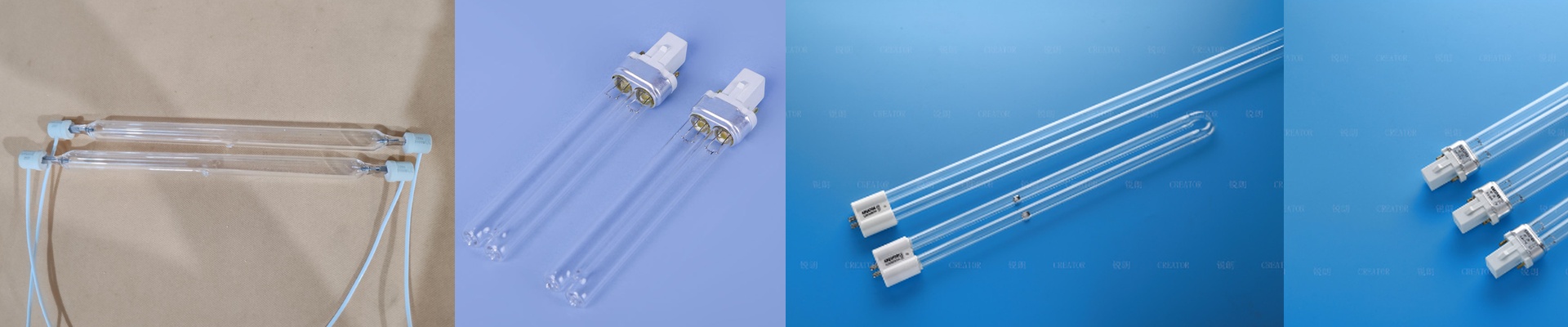
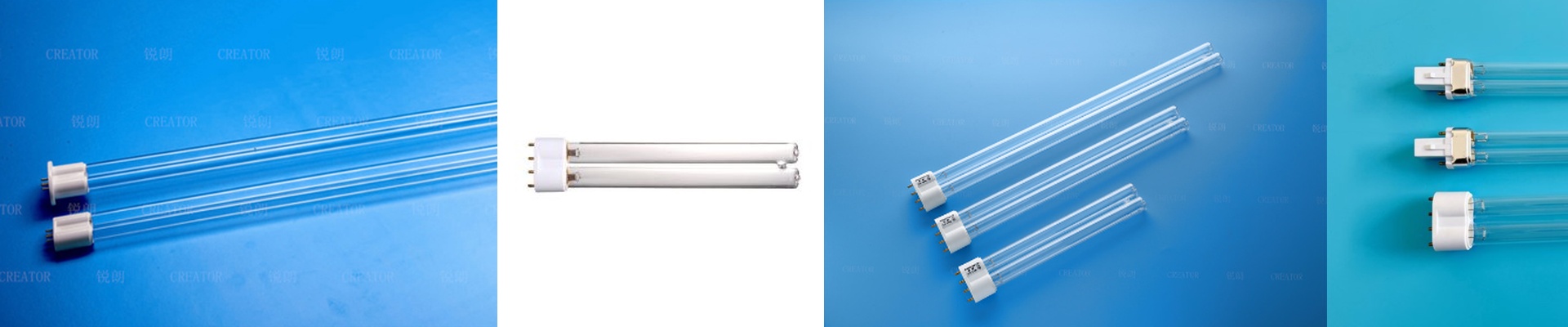
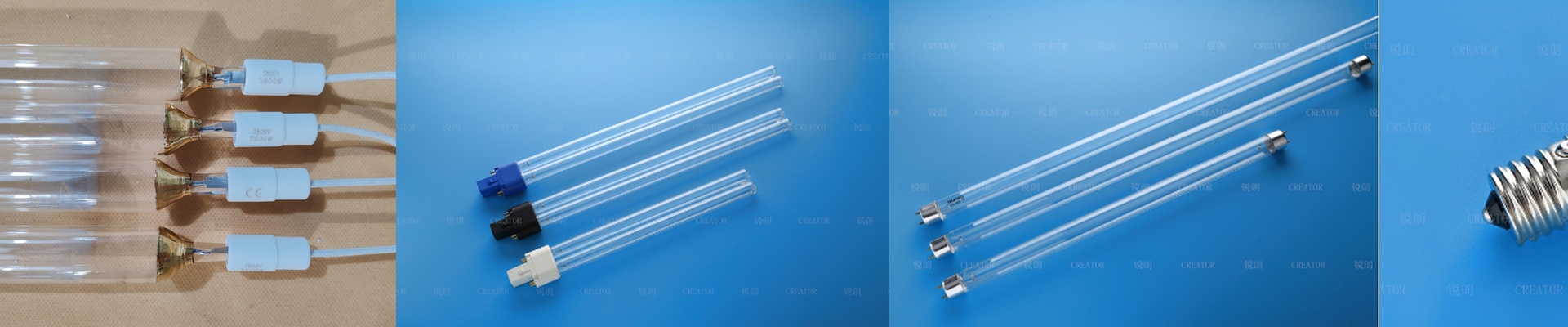
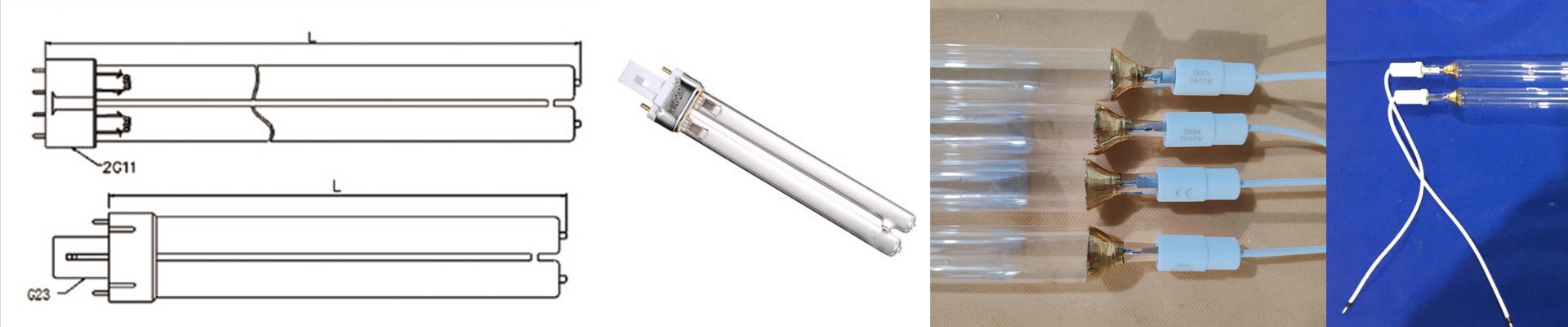
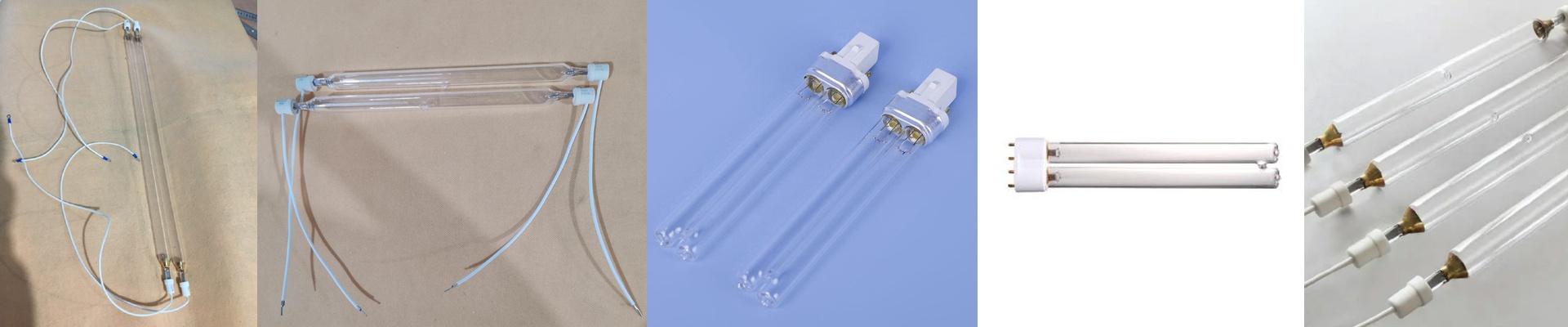
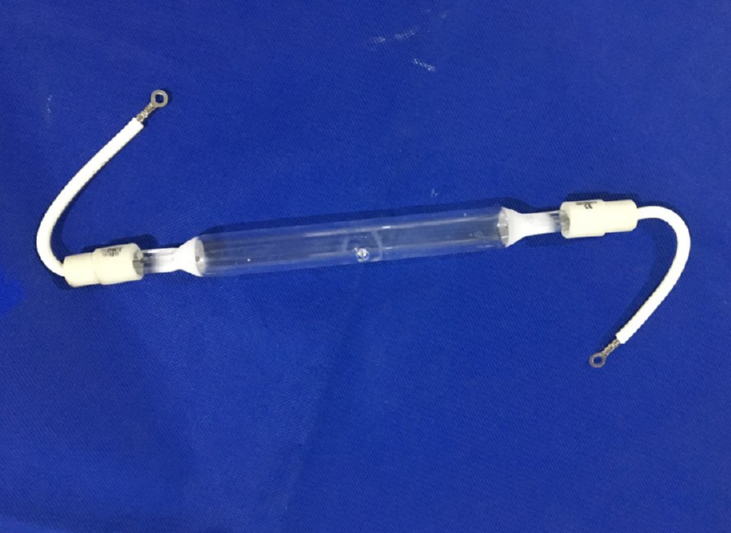
On the press floor, nothing eats margins faster than downtime and a cure that keeps drifting. That’s why these gallium iodide UV lamps were built around one simple idea: give you OEM-level spectral control and reliability, without pricing that assumes you’re running experimental jobs. We’re talking contract-grade performance at a volume-friendly cost—exactly what you need when the schedule is tight and the margins are thin. What matters under the hood Gallium iodide doping pushes the mercury vapor output toward 365nm and 385nm peaks, so it lines up cleanly with the photoinitiators in offset, flexo, screen, and gravure inks. We call out peak irradiance and energy density because you need to predict cross-linking depth, not just a surface that feels dry. The quartz arc tube is paired with a dichroic-coated reflector to cut wasted IR and keep substrate temperature in check. And because it runs ozone-free, ventilation loads drop and people can work comfortably closer to the lamp. Why this matters in contract printing In contract work, you’re swapping substrates and ink formulations all the time. A stable spectral output means fewer tweaks, less makeready scrap, and a cure that holds steady even when you push press speed. On offset, the 365nm-dominant output drives through-cure on thick films without the surface oxygen inhibition that gives you a tacky top skin. For flexo and screen, the 385nm shoulder gives you better cure through pigmented layers while keeping dot detail intact. Faster cycles. Less scrap. Fewer lamp changes. That’s what it takes to protect margin when you’re running high throughput. Here are the details that keep it working Matching isn’t optional. We set the lamp up for your machine—reflector geometry, focal distance, shutter interface, and power bus voltage. The fit is tight: arc length and terminal style have to match what your socket expects. Cooling matters. If airflow isn’t right, lamp life shortens and output drifts. When you swap lamps, use alignment fixtures, and confirm cure with a radiometer at the substrate plane, not at the lamp window.