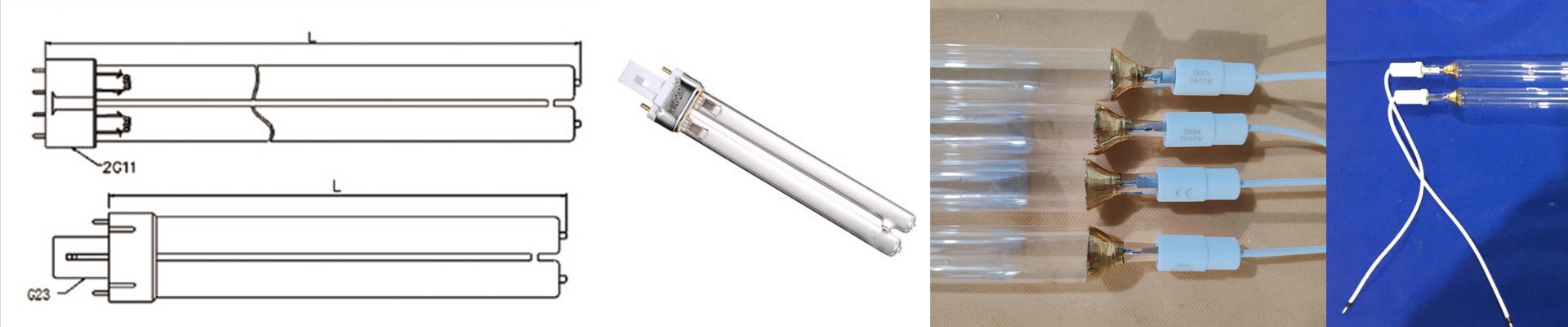
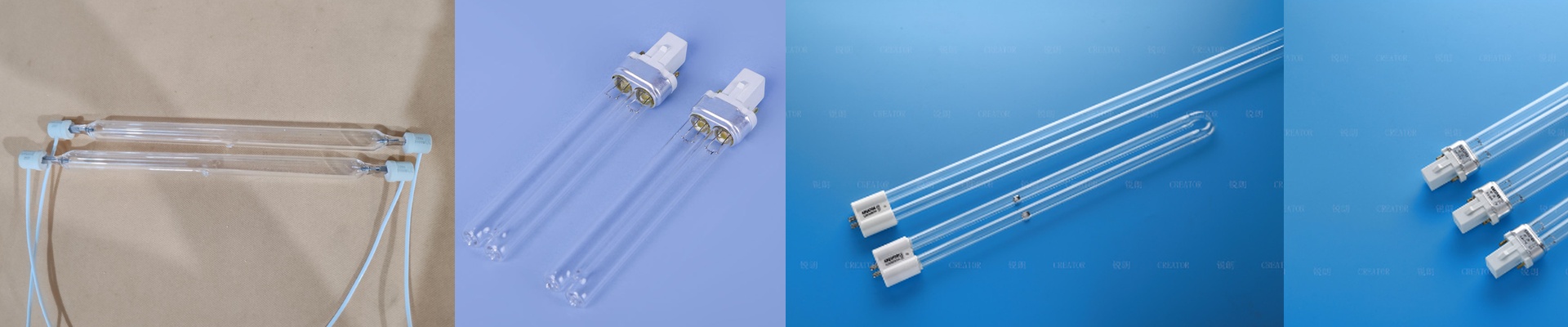
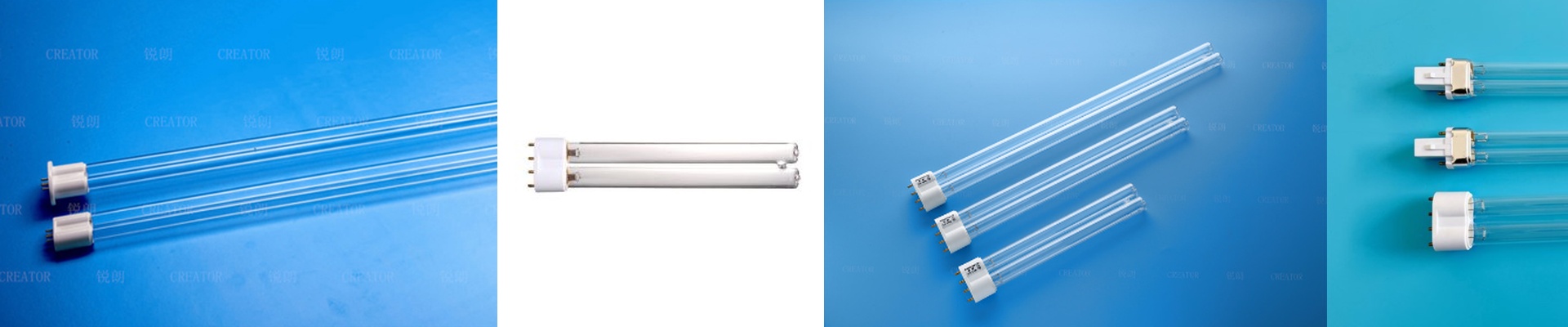
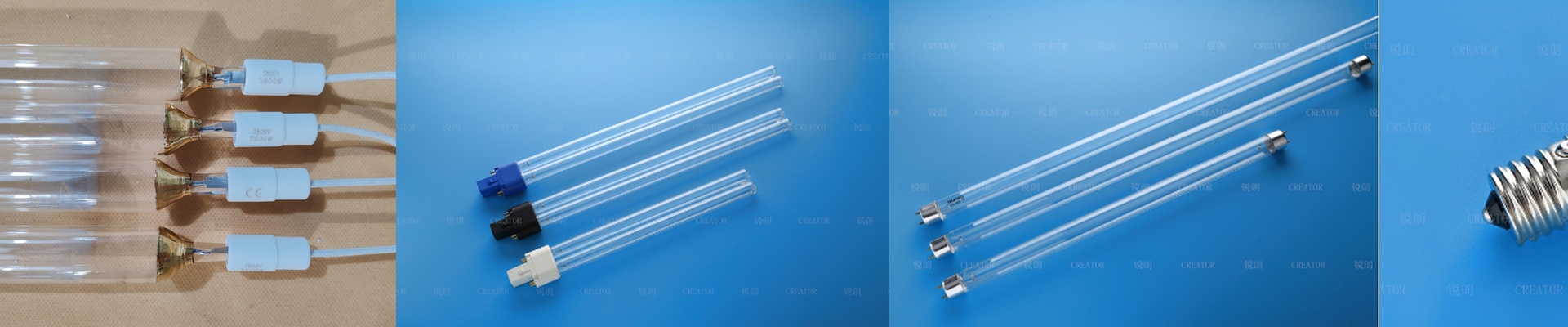
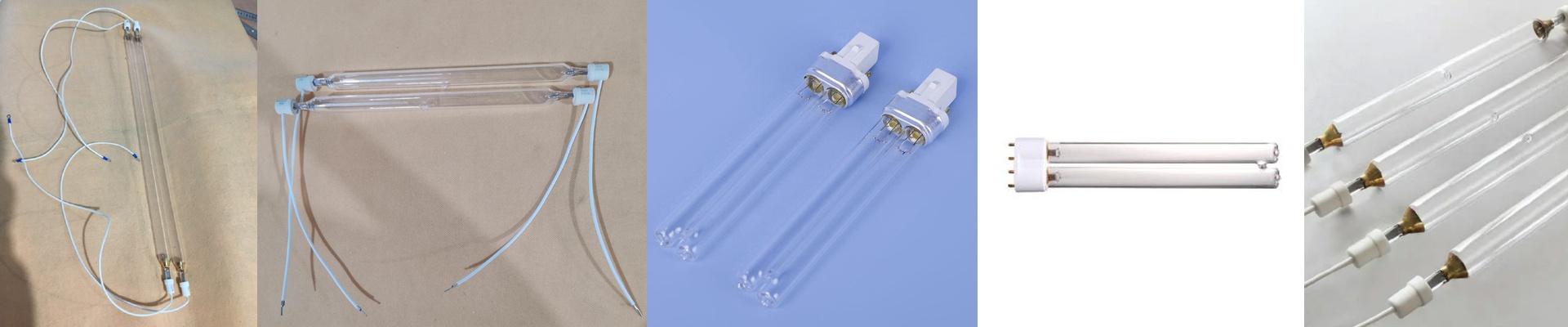
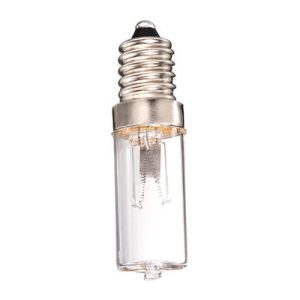
On the press floor, a UV lamp that’s not matched to the job doesn’t just cost you time. It gives you uneven cure, pinholes, and adhesion failures that show up in finished parts. That’s why we don’t drop off a lamp and call it done. We run on-site UV curing diagnostics, measure spectral output with a calibrated radiometer, and tune the system to your ink’s photoinitiator profile and line speed. What matters technically Our high-speed UV curing lamps are built around stabilized high-pressure mercury vapor sources. They’re engineered for repeatable spectral output, with solid 365nm and 385nm lines—exactly the wavelengths that drive cross-linking in typical UV offset, flexo, and screen inks. We optimize peak irradiance at the substrate with dichroic-coated reflectors and a tight arc gap, delivering the photon density needed for high-speed curing without chasing peak wattage. The payoff is consistent cure energy density (mJ/cm²) across the sheet, not just a big lamp rating. Here’s the reality in production: your variables are speed, ink film thickness, and substrate heat tolerance. We match the lamp’s spectral output to the ink chemistry, then verify dose at the substrate. You get faster cycles without scorching, less makeready, and cure that stays stable even when line speeds push conventional lamps. Energy draw drops because the system is tuned, not overdriven, and lamp replacement intervals stretch out because we manage operating temperature, ozone-free quartz envelopes, and reflector degradation. Matching the lamp to your press isn’t optional. You’ll want to verify reflector geometry, shutter duty cycle, and connector pin alignment to the ballast. Output drops as the lamp ages and reflectors oxidize, so plan a calibration window every 2,000–3,000 hours. If your ink set shifts toward thick films or pigmented systems, the spectral balance has to be re-checked. Curing is a dose problem, and dose is a function of wavelength, irradiance, and exposure time.