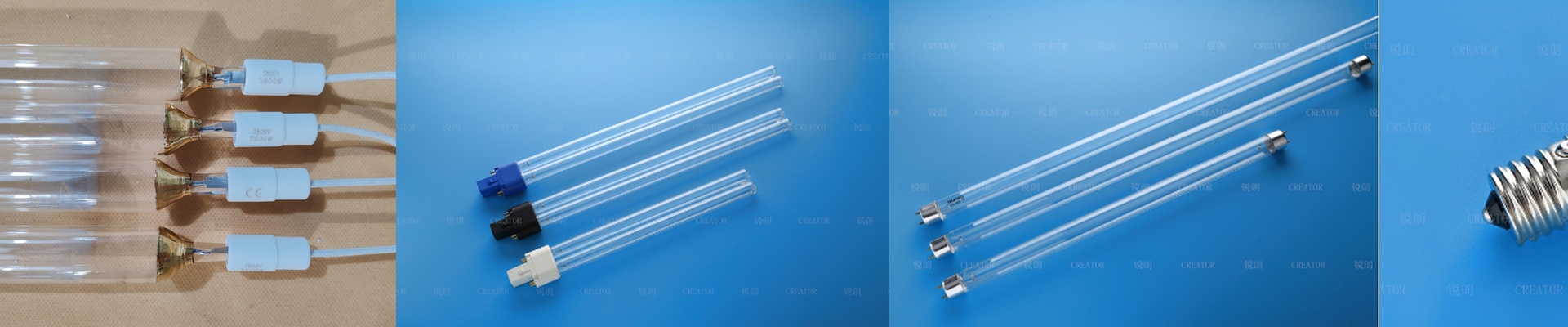
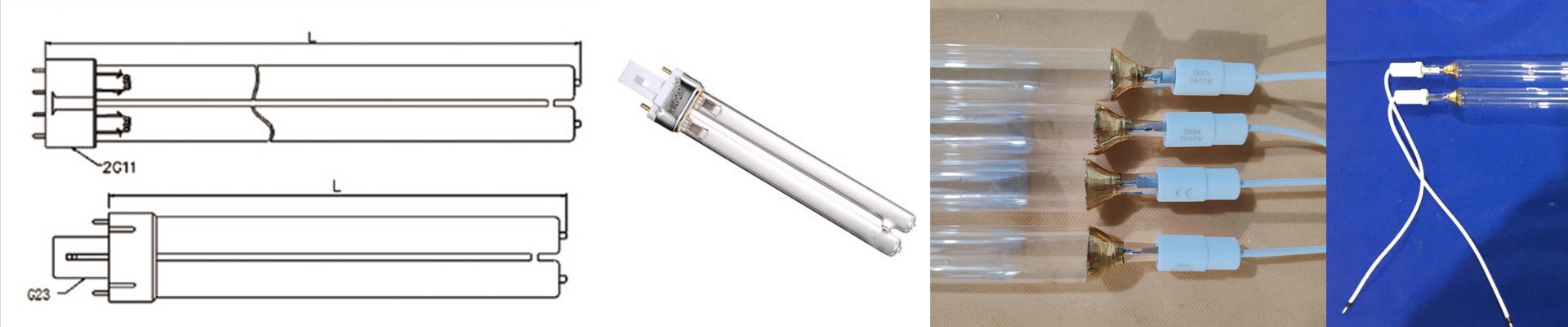
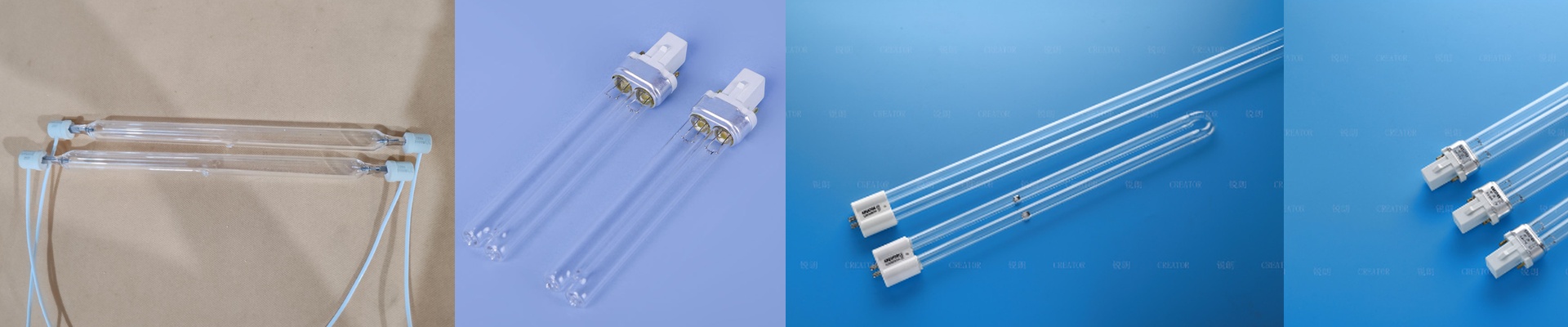
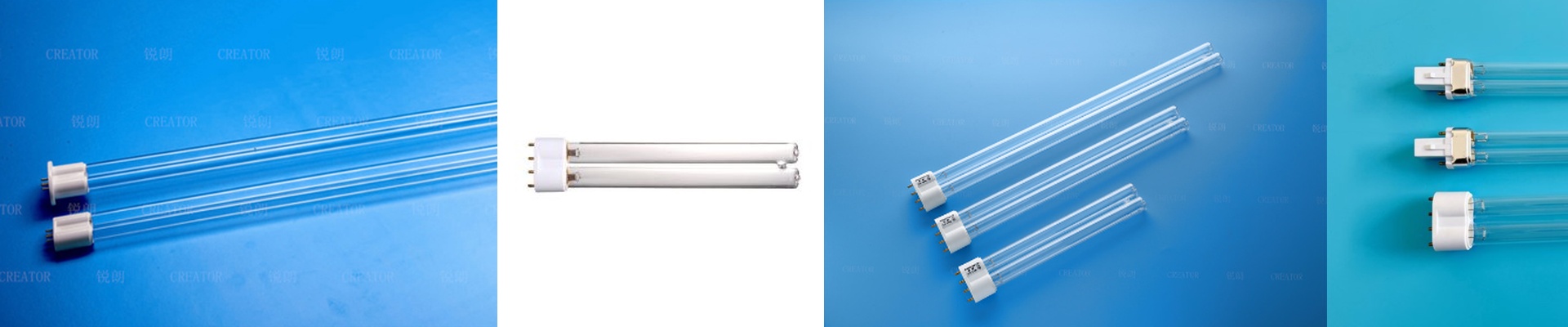
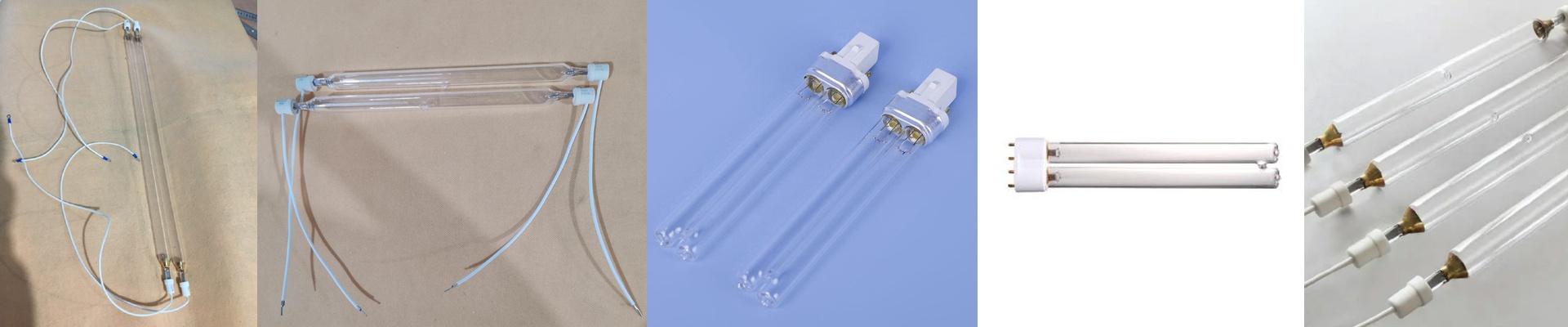
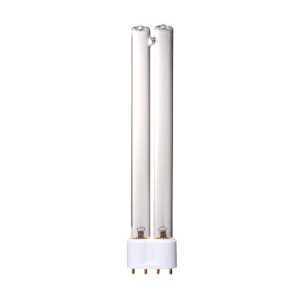
On an Anatol flash-drying line, downtime isn’t just idle time—it’s substrate going in the trash and due dates slipping. Retrofitting a UV lamp usually means wrestling with cabinet wiring, re-flashing controllers, or crossing your fingers the ballast doesn’t blow. We built a drop-in replacement for Anatol flash systems that gives you more output without touching the existing electrical path.
What matters, technically
The lamp is built around a high-purity quartz sleeve and an ozone-free, medium-pressure mercury vapor arc. Spectral output peaks at 365nm, which is what gets photoinitiators excited in most UV inks and coatings. Peak irradiance hits 1200 mW/cm² at the focal plane, putting curing energy density at 800–1200 mJ/cm² in a single pass. The reflector uses a dichroic coating tuned to 365nm, so usable UV comes out about 25% higher than you’d get from a standard aluminum reflector. Input power is matched to the original Anatol socket: 1200W at 110V or 2400W at 220V. It uses a standard two-pin quartz connector and the same arc length, so lamp position repeats without re-alignment. Start-up is instant—no preheat—and lamp life is rated to 2000 hours with less than 5% output decay.
Why it works on the floor
This is a straight plug-and-cure upgrade. You keep the existing ballast, the same mounting brackets, and the original safety interlocks. The payoff is higher throughput on dense graphics and heavier ink deposits, with fewer rejects from under-cure. Because the spectral profile stays stable and repeatable, color matching and adhesion testing don’t swing wildly from shift to shift. Energy draw stays inside the original cabinet rating, so you get more curing intensity without rewiring.
The details you can’t skip
Match the lamp to the exact Anatol model and socket type—arc length and base pin spacing have to be identical. Before you install, check the reflector. If it’s pitted or oxidized, you’ll lose the intensity gain no matter what the lamp puts out. Expect cabinet heat load to rise about 10% at full power, so confirm ventilation and airflow. For the best lamp life and consistent output, stay within ±5% of rated voltage and keep the quartz surface clean—no ink mist, no dust.