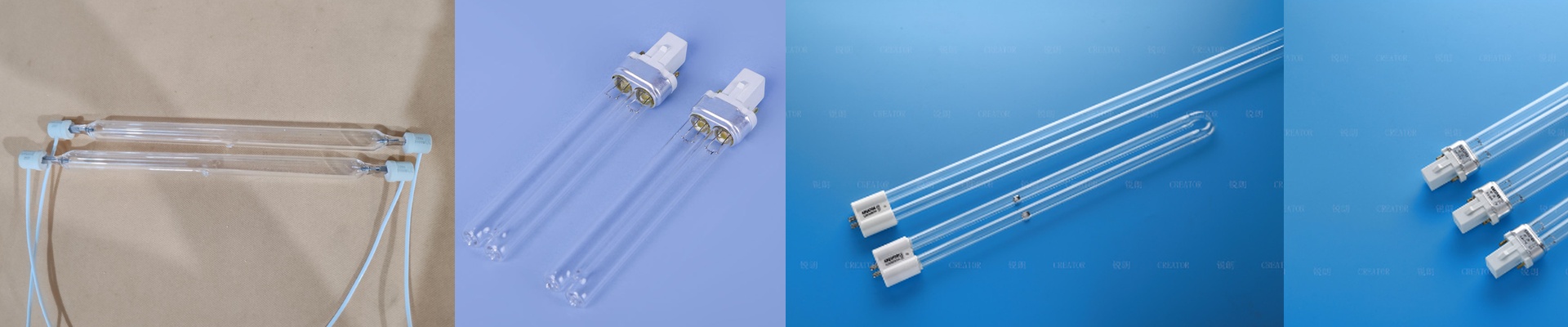
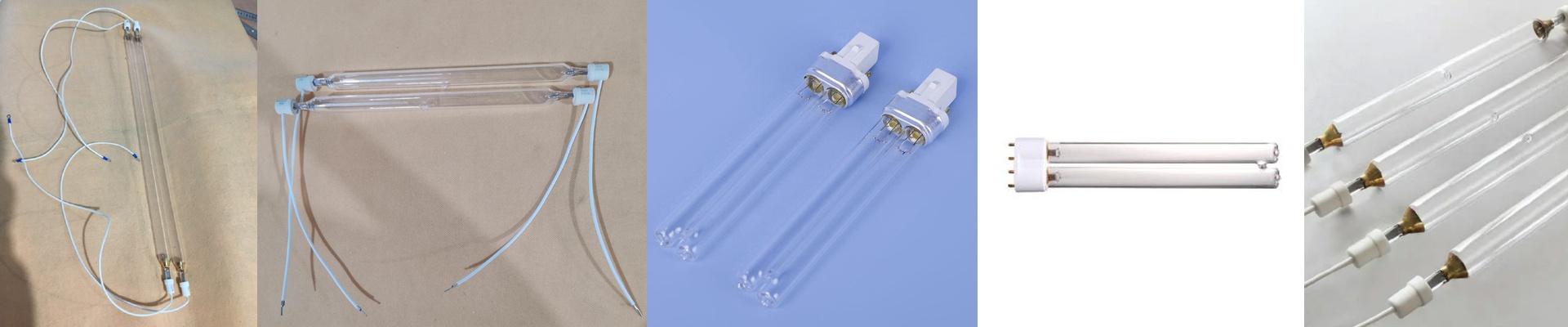
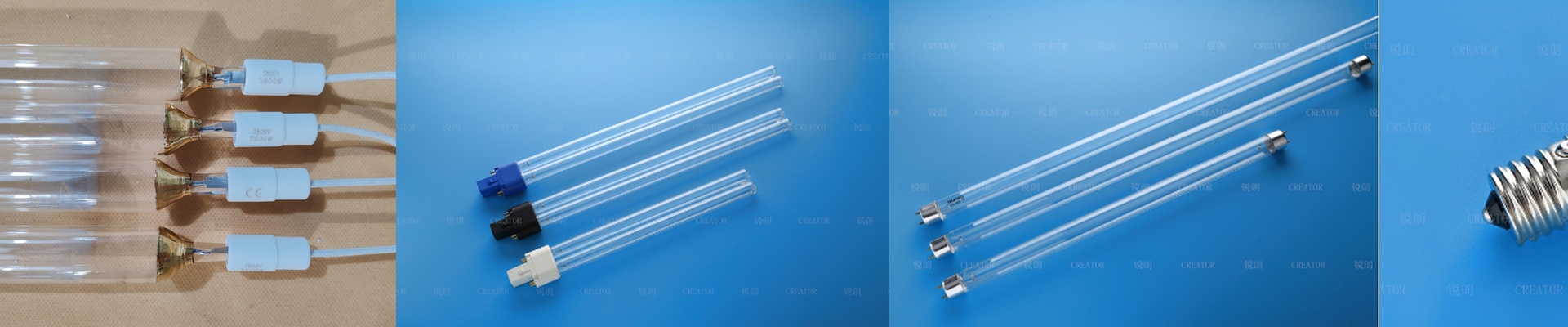
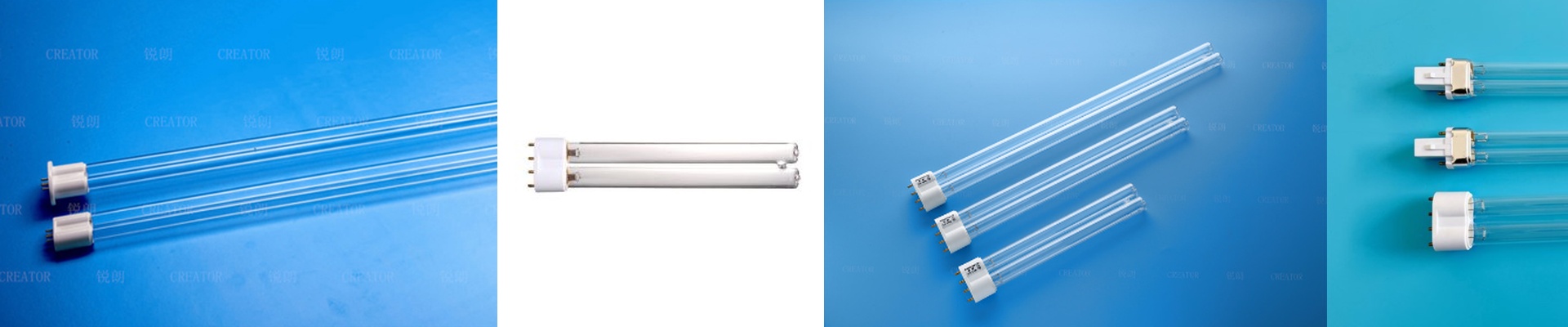
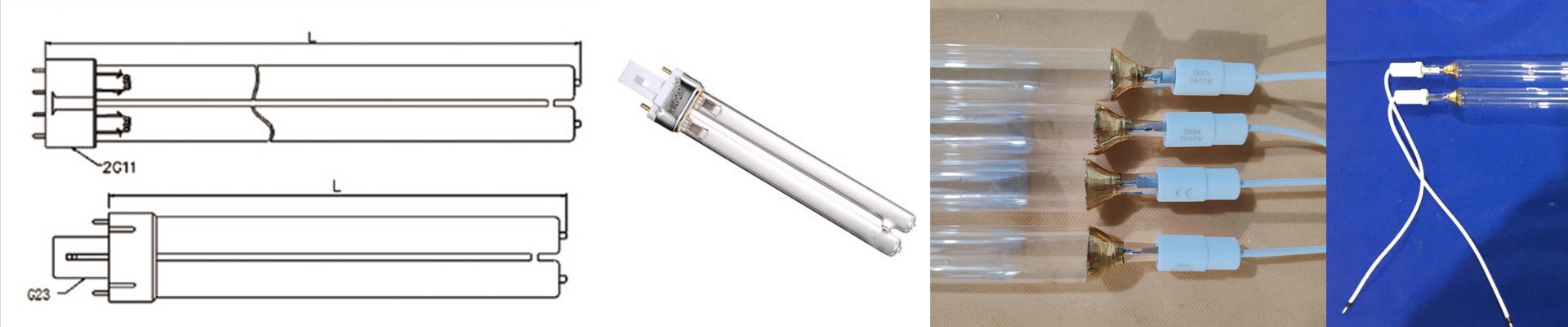
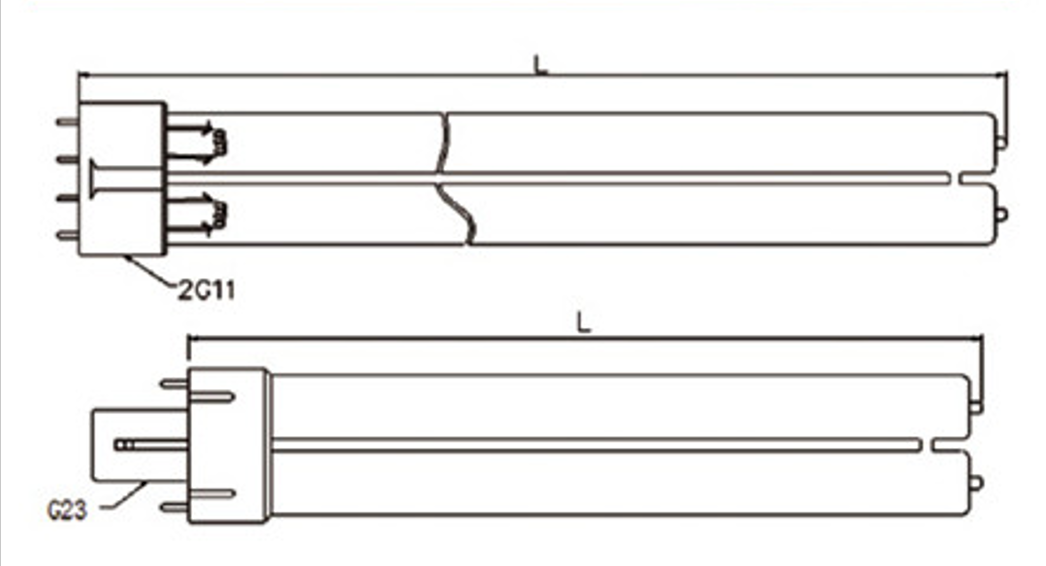
On the press, mixed-ink runs—say, solvent-borne adhesives laid over water-based pigments—go south fast when the lamp spectrum is off. Each photoinitiator in the ink bank needs its own energy peak. Hit the wrong wavelengths and you’ll end up with surface tack, weak adhesion, or color shift. We built our industrial mercury UV lamp to fix that mismatch—not by guessing, but by controlling the spectral envelope. What matters under the hood We start with a high-pressure mercury vapor discharge, then shape the output with dichroic coatings. The result is a stable spectrum with strong, repeatable peaks at 365 nm, 385 nm, and 405 nm, so you can target specific photoinitiators. Peak irradiance stays consistent across the arc length, and the reflector geometry keeps dose even across the substrate. Output stability is under 3% drift over 2,000 hours, and the envelope is selected for low solarization—so the spectrum holds up over the life of the lamp. Why this plays on mixed-ink jobs When you’re curing mixed inks, you can tune the spectral weighting to favor the adhesive layer or the water-based topcoat without overexposing either. That means fewer line speed compromises, less scrap from incomplete cross-linking, and dot gain that stays under control. Energy density becomes predictable, so you can set one cure window that works across different ink chemistries. Long life and low attenuation translate to fewer lamp changes, less downtime, and cure performance that stays consistent shift after shift. The shop-floor details Match the lamp to the reflector and the shutter duty cycle. These mercury lamps only deliver their rated spectral output once the arc is stabilized and the reflector coating is matched to the intended wavelength band. Expect a warm-up window to hit consistent intensity, and make sure it’s compatible with your shutter interlock and power supply ballast. If you’re in an ozone-sensitive area, spec the ozone-free quartz envelope.