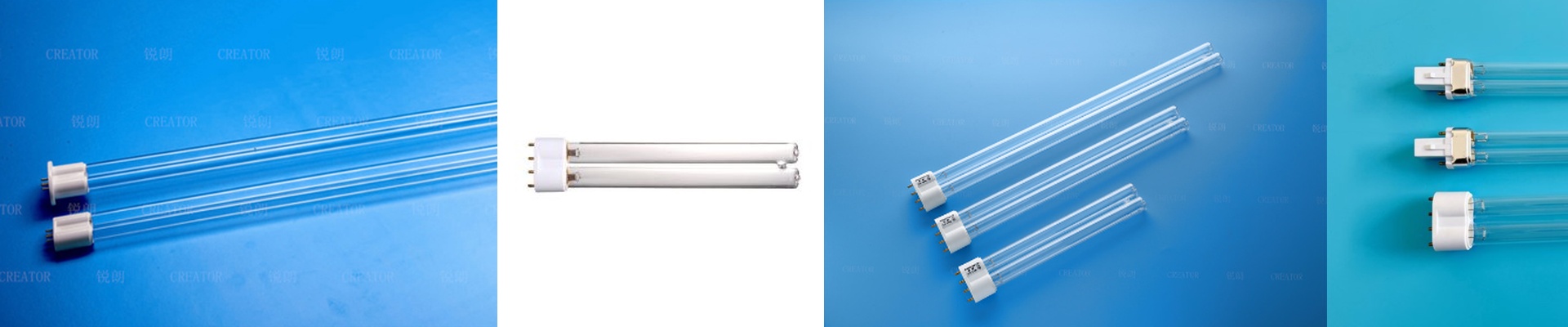
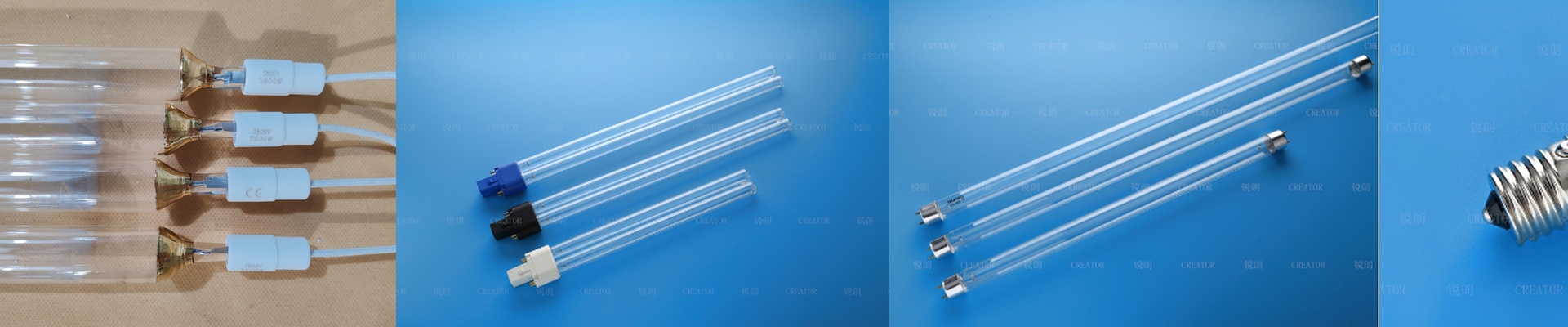
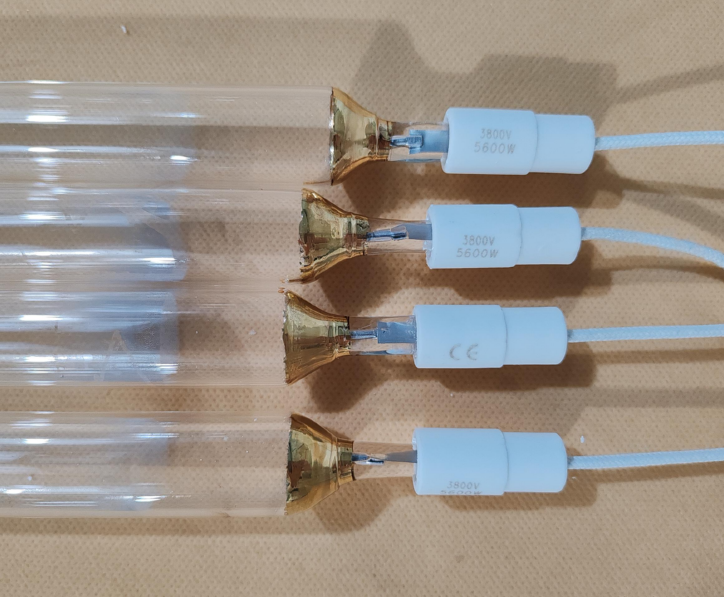
On the press floor, there’s no worse headache than watching UV output drop off before the lamp even hits its rated hours. You’re stuck choosing between slowing the line to avoid a soft cure or running full speed and shipping rejects. Most of the time, the culprit is the quartz envelope. Impurities in the quartz eat up UV energy, turning photons into heat and blocking the very spectrum you paid for.
What actually matters under the hood
We spec 99.99% high-purity quartz because it keeps absorption down in the critical 240–400 nm band. That keeps the mercury vapor discharge efficient, which translates into stable spectral output, consistent peak irradiance, and predictable energy density (mJ/cm²) at the substrate. The higher purity also holds up better against solarization under intense UV flux, so output doesn’t take a nosedive as the lamp ages. Pair that with a reflector built around precise dichroic coatings, and you get tight wavelength control—typically 365 nm, 385 nm, or 405 nm. That lets photoinitiators trigger rapid cross-linking without cooking the substrate.
Why this matters on the line
High-purity quartz is what makes UV curing behave the way we need: instant initiation, enough penetration to cure thick ink films, and full cross-linking through the whole layer. You get a stable cure window across press speeds, fewer micro-defects, and adhesion that stays consistent on plastics, metal, and coated papers. Because the envelope transmits more usable UV and degrades more slowly, lamp life stretches out and replacements come less often. That means fewer surprise stoppages, less spare inventory sitting on the shelf, and measurably lower energy per cured square meter.
The practical details you can’t skip
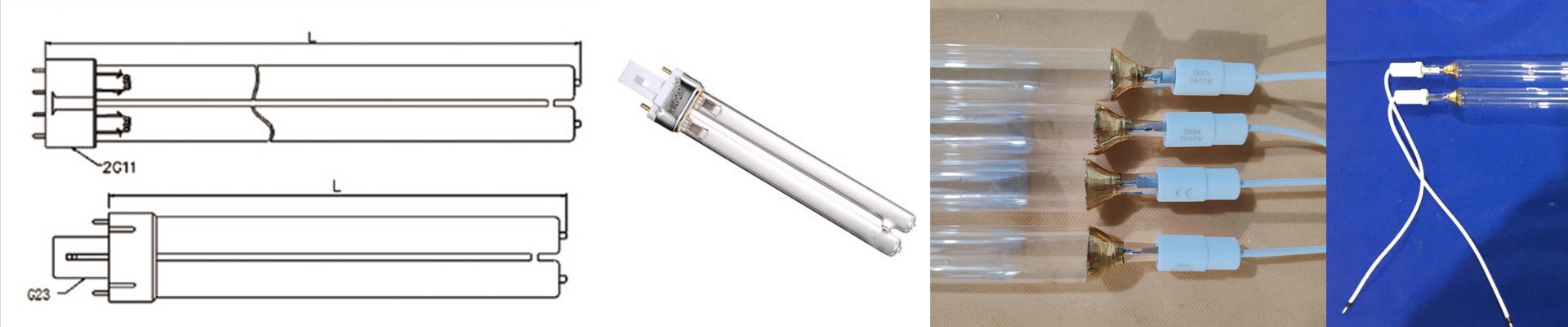
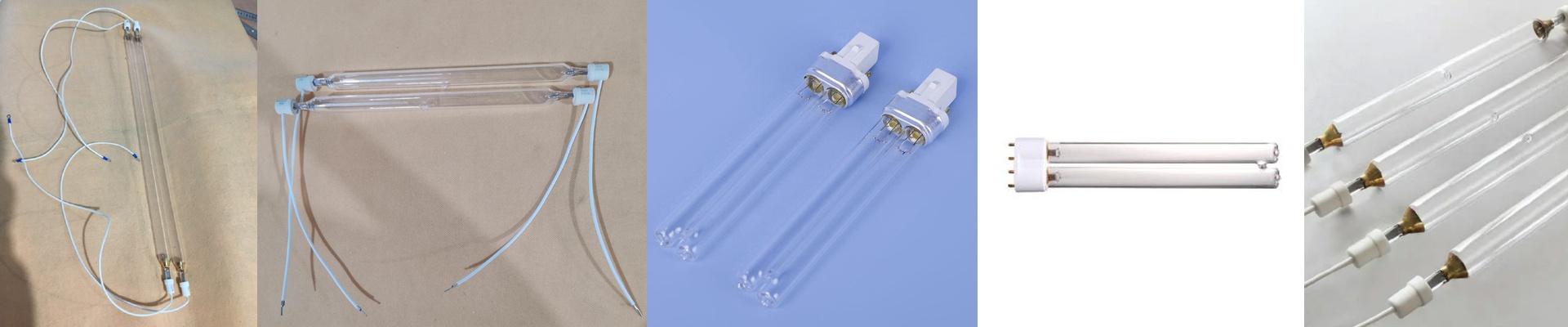
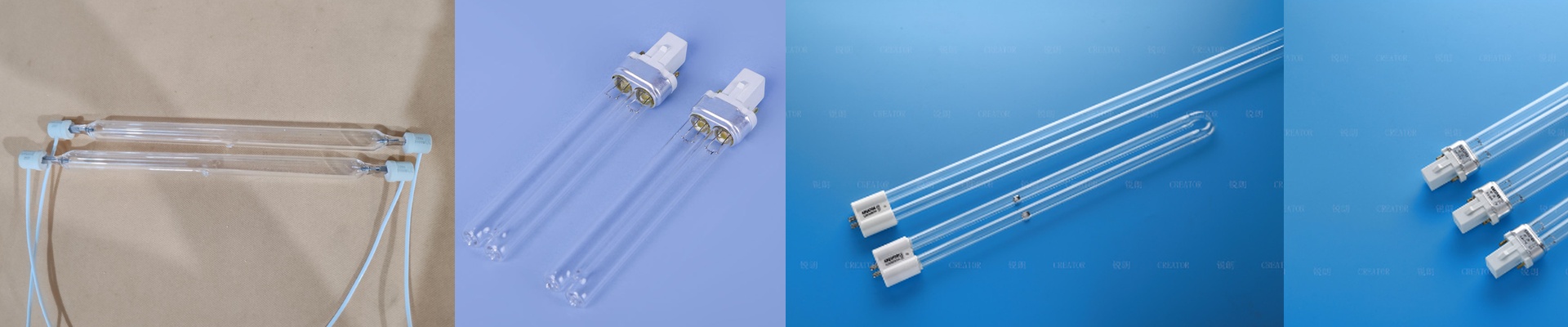
High-purity quartz doesn’t forgive thermal shock. Install lamps with a controlled warm-up, keep airflow stable, and make sure the lamp matches the reflector geometry and cure window size. Before you swap, confirm arc length, end fittings, and ballast compatibility. Lamps hit peak output at a specific temperature—move off that point and you’ll trade peak irradiance for stability. Use ozone-free designs where the application calls for it, and track output with a spectral radiometer. Replace lamps based on measured performance, not guesswork.