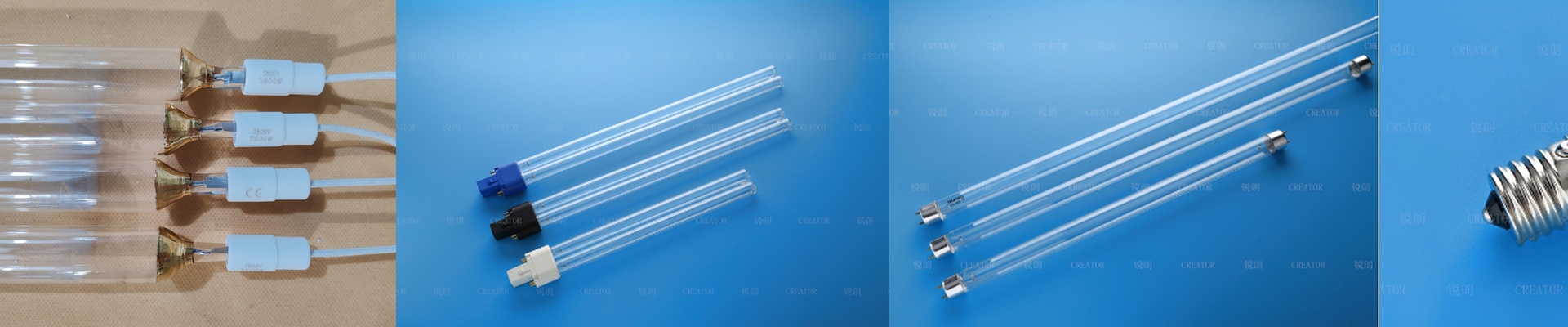
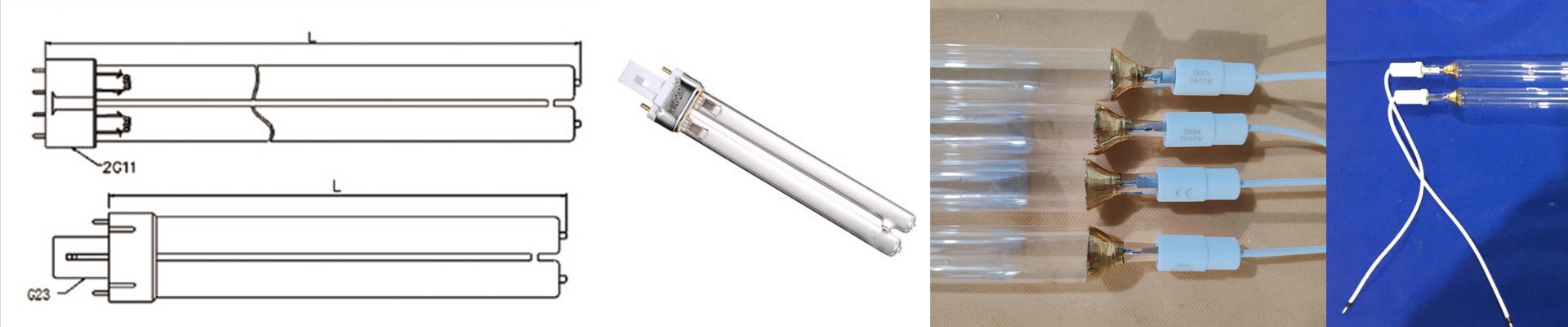
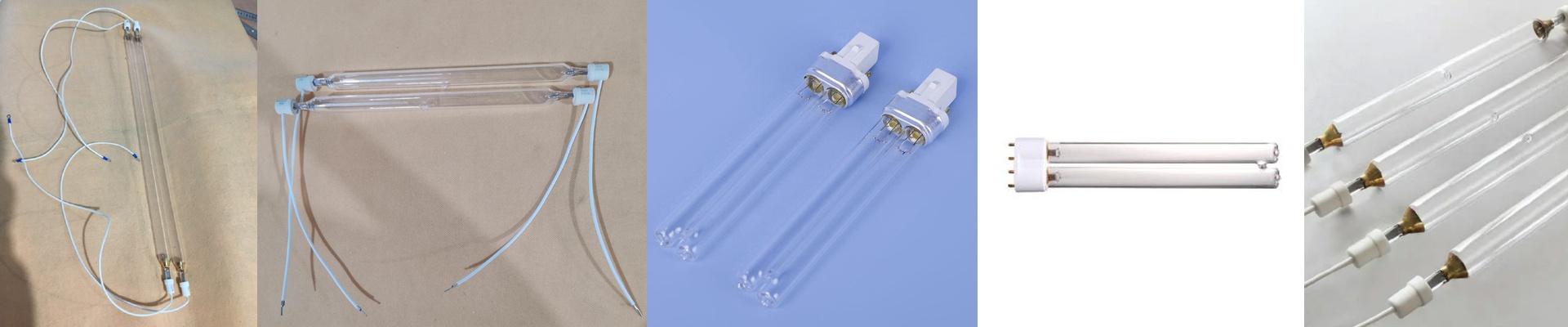
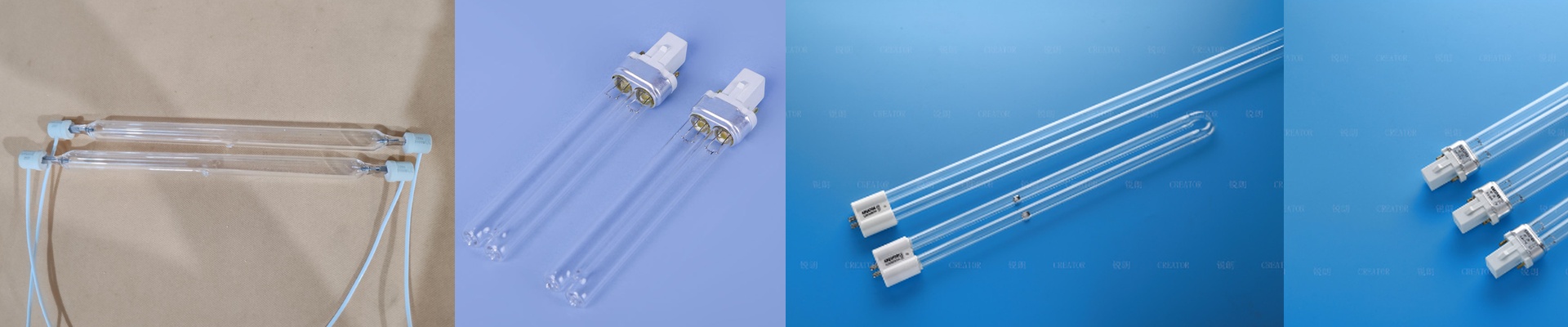
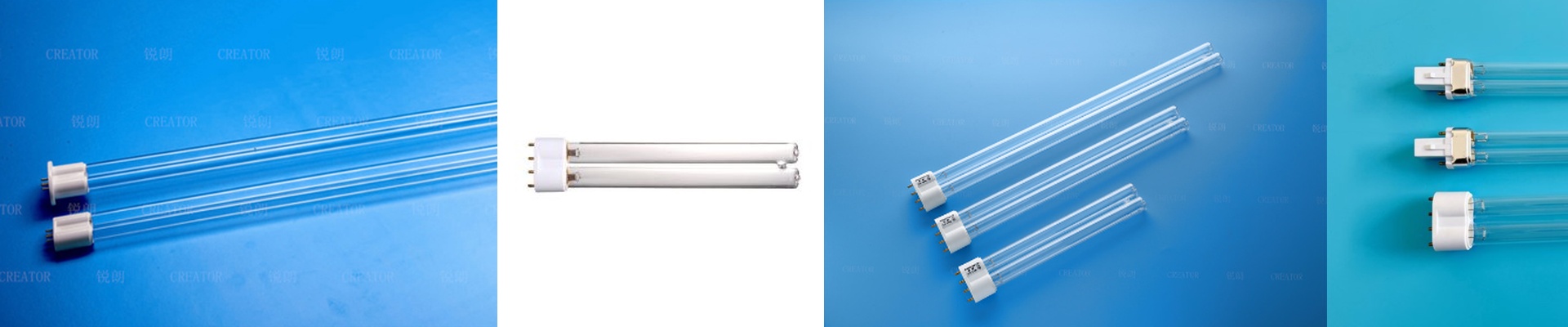
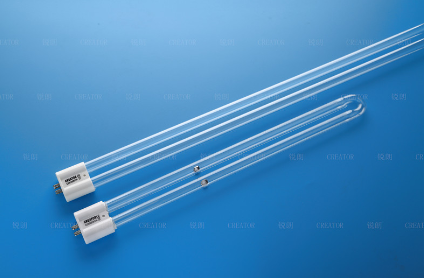
In water treatment, throughput and compliance live and die on disinfection kinetics. Push the flow rate up and conventional methods can’t hit the required log reduction in microbial load without blowing the footprint. At industrial scale, UVC is the only practical way to get the job done. What actually matters, technically We build our UVC mercury and gallium lamps around spectral control and irradiance density. Mercury vapor gives you the 254 nm line—right where microbial DNA and RNA absorb, breaking replication chains. Gallium-doped variants shift the output toward 260–280 nm, which lines up closer to the nucleic acid absorption peak, so you get better quantum efficiency per photon. We match those sources with high-reflectivity dichroic reflectors and quartz sleeves built for high UVC transmission, so output stays stable in water. Peak irradiance exceeds 120 mW/cm² at the sleeve surface, and dose delivery stays consistent across the design flow window. Why it holds up in the field In flow-through channels, contact time is measured in seconds. The lamps’ high irradiance makes it possible to deliver above 40 mJ/cm² in sub-second exposure, so you get immediate log-kill on bacteria and protozoa—no chemicals needed. Output stays stable for 8,000–10,000 hours, so dose drift stays minimal. The system scales from pilot units to full-size skids without reworking the chamber geometry, and the power density supports a compact footprint. What you need to watch UVC intensity drops as fouling builds up. Set sleeve maintenance intervals by monitoring lamp current and verifying dose. Operating temperature and flow turbulence both affect dose uniformity, so the hydraulic design has to be matched to the lamp layout. We recommend periodic radiometric mapping and automatic lamp power compensation to keep the dose inside the validated range.