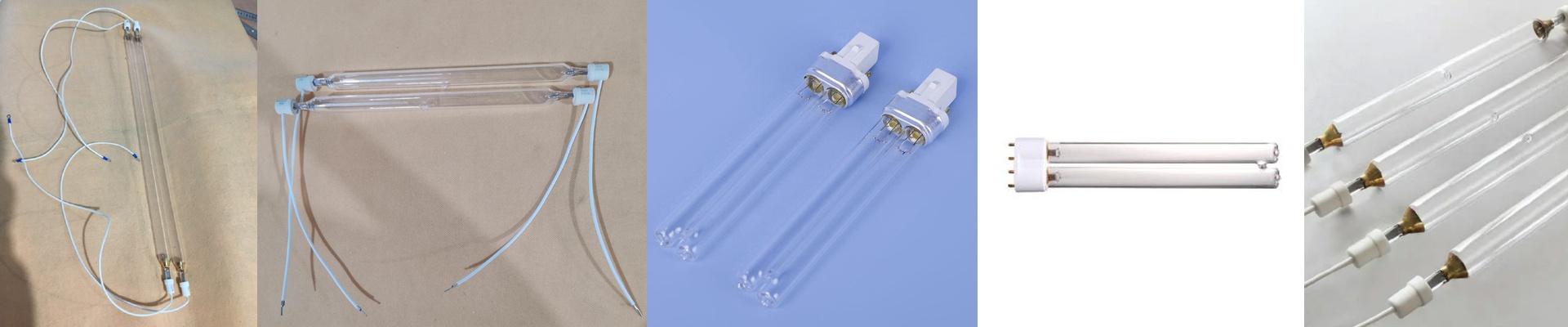
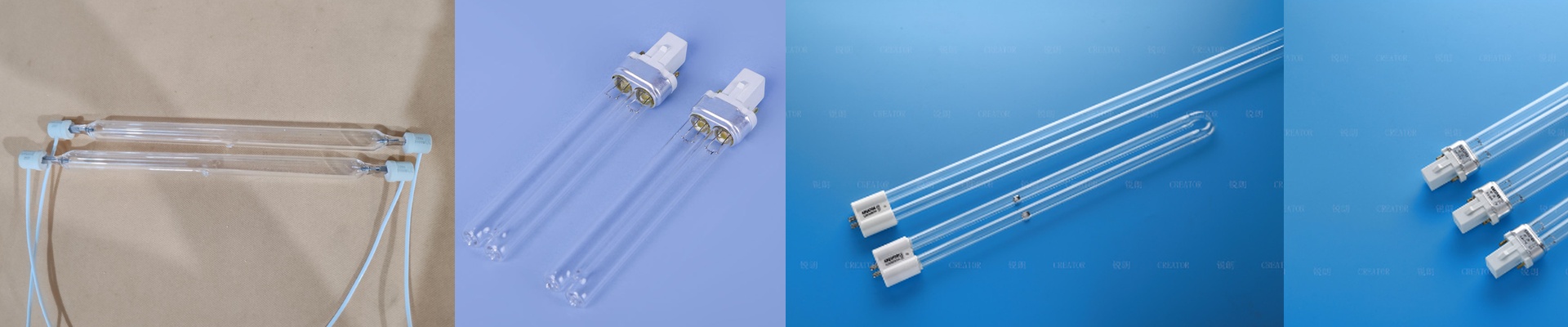
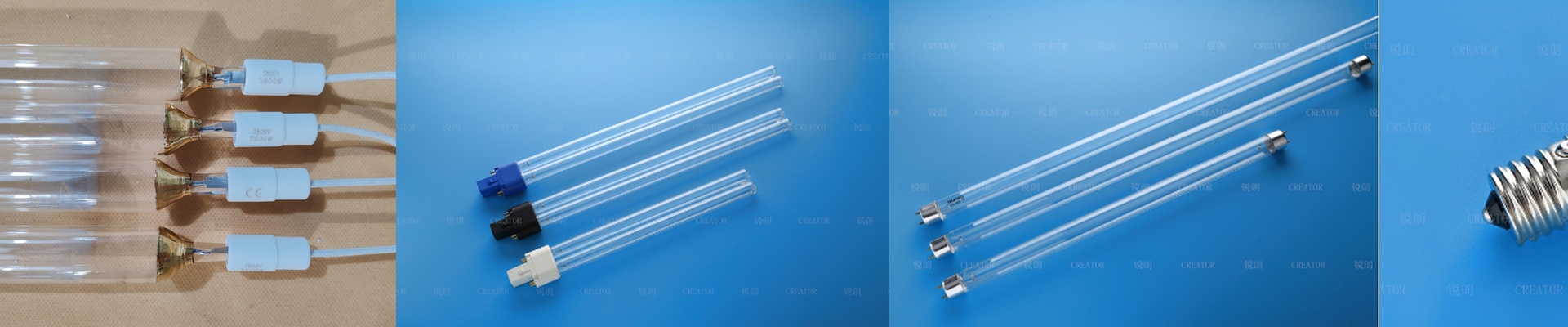
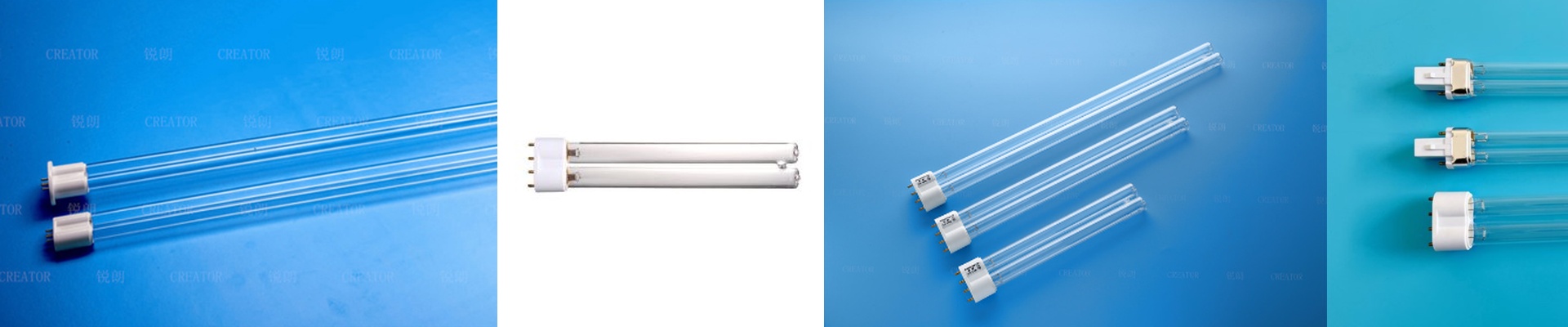
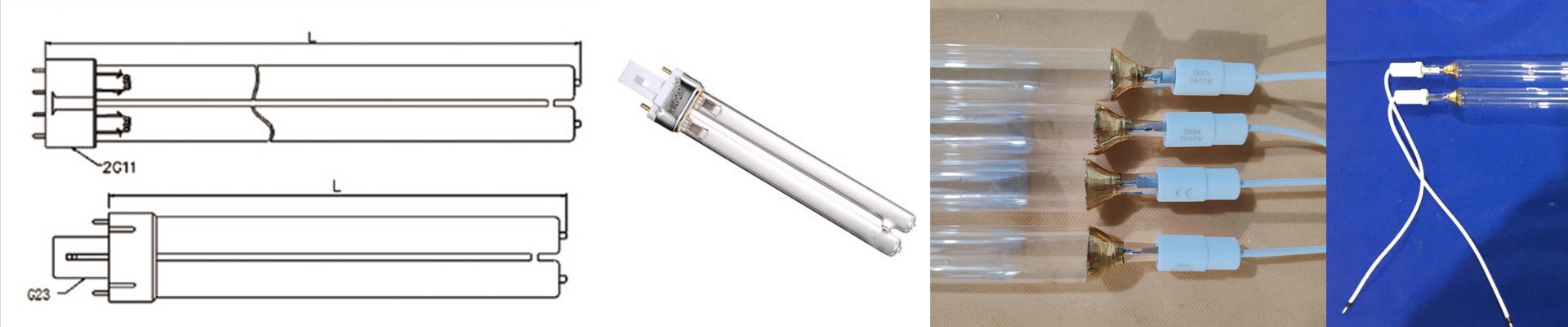
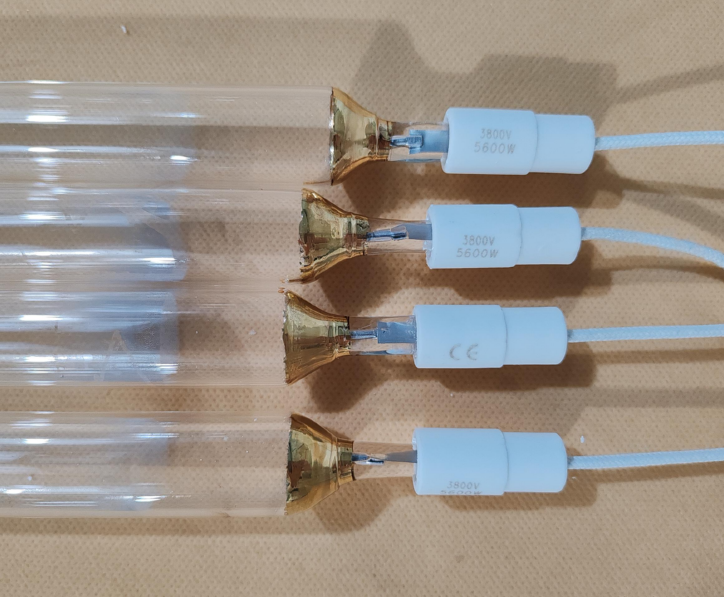
Stand on the press floor when you’ve got large-format UV offset and flexo units running side by side. Drives, PLC cabinets, and arc-lamp igniters are throwing off EMI and RF all over the place. It’s a rough electrical environment. Conventional lamp sleeves pick up that noise and feed it straight back into the lamp circuit. The result? Flicker, ignition that won’t sit still, and a spectral output that starts to drift. That drift shows up as inconsistent curing—mJ/cm² that swings, tack-free time that changes, and adhesion that can’t be counted on. What makes the difference, technically We build our sleeves for UV sterilization lamps around a quartz body chosen for high UV transmittance and solid thermal stability. Then we add a multi-layer interference shield, grounded right at the lamp end-cap. That shielding knocks down EMI/RF coupling that would otherwise modulate the mercury discharge and throw the spectral curve off. With high-pressure mercury lamps, we keep the output envelope where it should be—strong 365 nm line strength for deep cross-linking, plus broadband UVA for surface cure—so peak irradiance stays repeatable. The sleeve geometry holds the lamp on the reflector’s focal axis. That cuts down stray light and keeps dose uniformity tight across the web. Why it holds up in real production In a printing hall with multiple machines, the sleeve’s shielding keeps ignition energy and lamp power stable, even when nearby drives switch and radiate. You get consistent curing energy density, fewer rejects from under-cure, and lamp behavior that doesn’t change shift to shift. That means fewer stops to chase problems, less scrap, and less downtime spent troubleshooting cure variability. The details that matter The ground connection has to be bonded to the machine chassis with a low-impedance path. If the ground loop is weak, the shielding falls apart. And sleeve length and end-fit are application-specific. Check clearance against your reflector and lamp base. Any contact that shifts the arc position will skew spectral output.