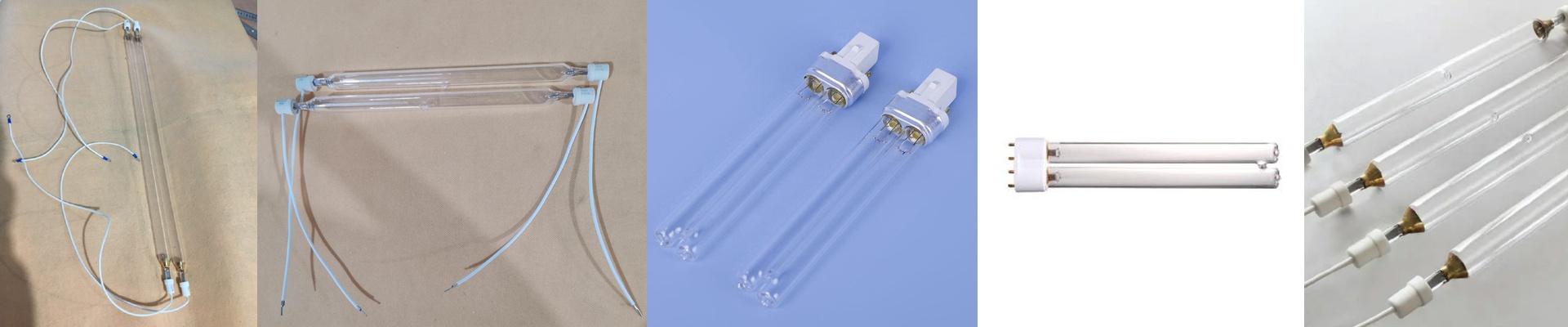
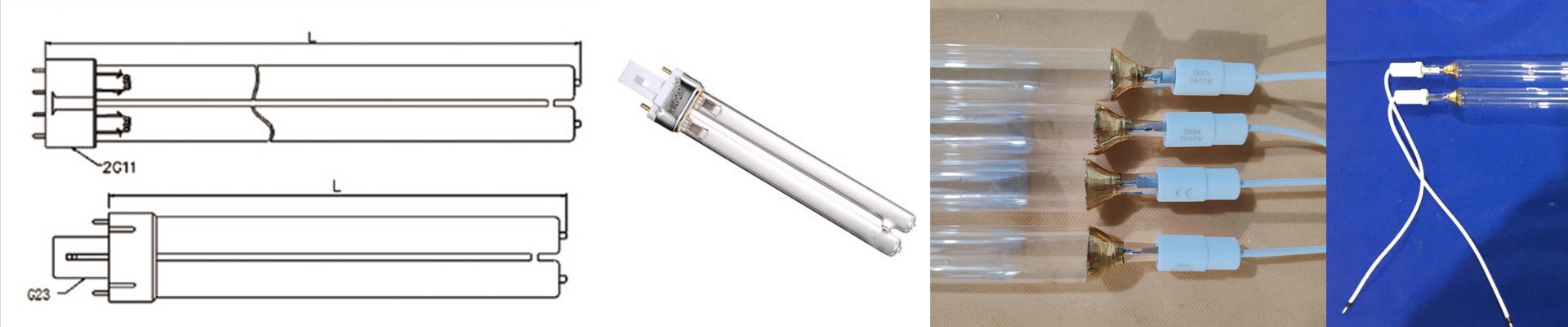
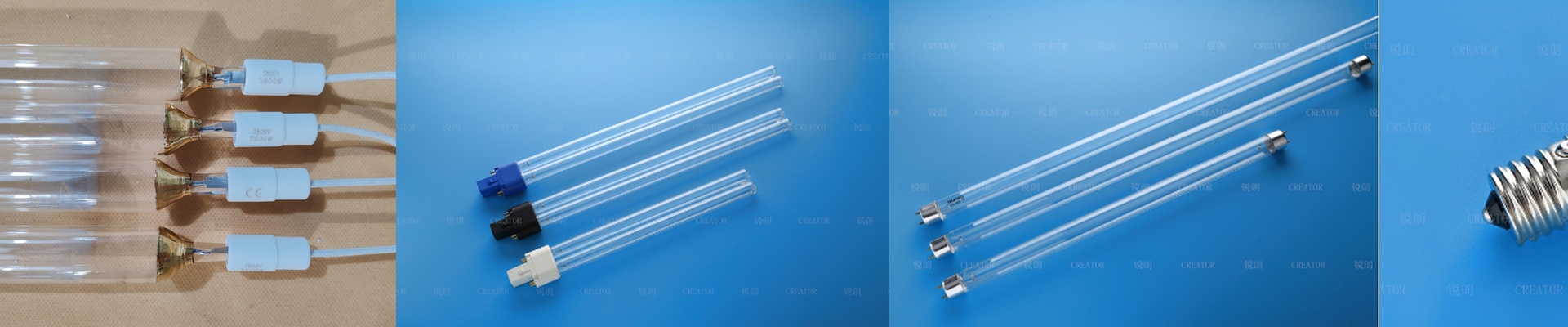
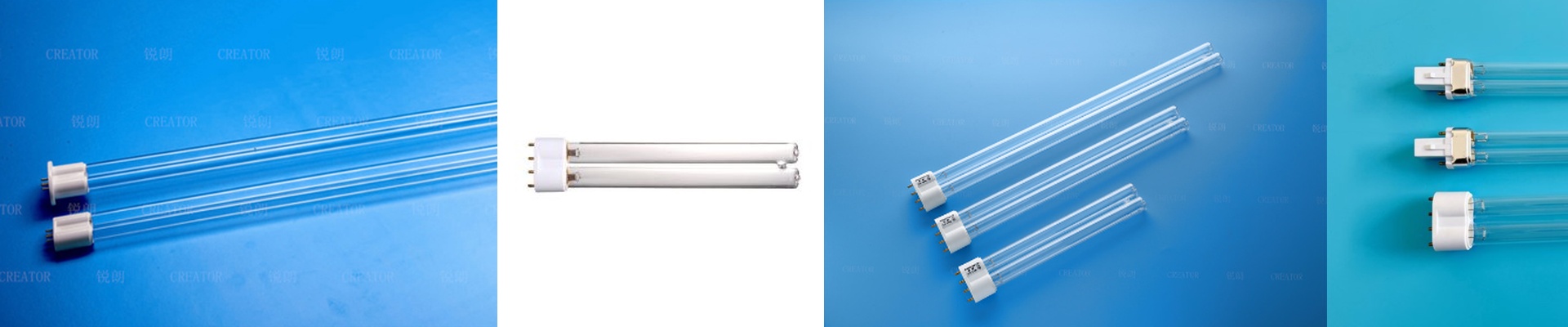
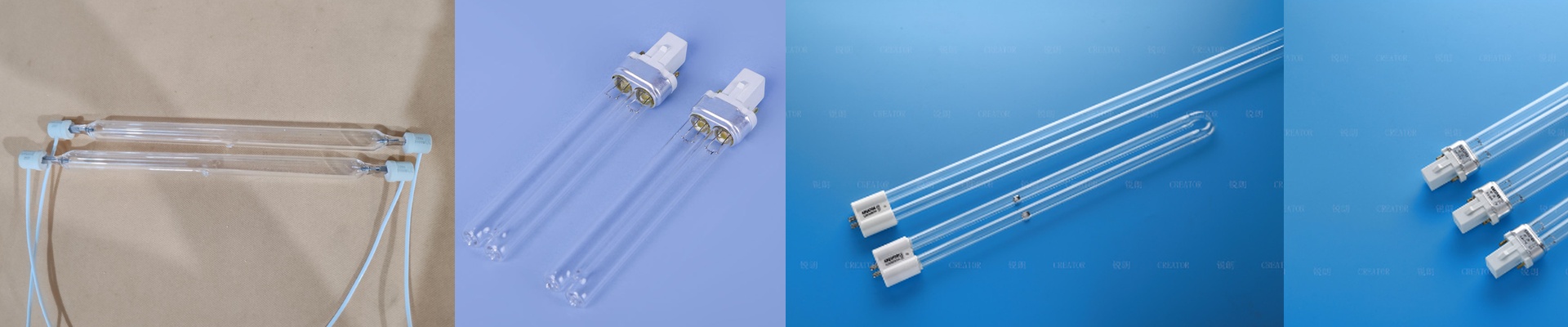
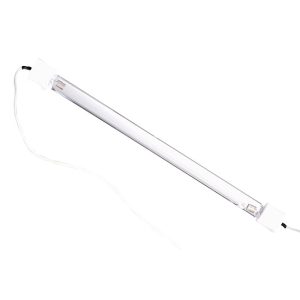
On the production floor, chemical disinfection always costs you in dwell time, residue risk, and the headache of waste handling. Switching to UVC isn’t a preference here—it’s a practical necessity to keep the line moving. Mercury arc UV lamps hit germicidal action right at 254 nm with predictable photon flux, so biosafety becomes a repeatable dose you can measure, not a chemical process that depends on the batch. What matters, technically A mercury arc lamp gives you a stable 254 nm line that directly damages microbial DNA and RNA, so you inactivate contaminants without adding reagents. Output comes down to irradiance (mW/cm²) at the target plane, and dose (mJ/cm²), which is irradiance × exposure time. We match lamp arc length, reflector geometry, and power density so the dose meets your validation threshold across the full width of the treated surface—not just down the centerline. Ozone-free quartz envelopes and dichroic coatings keep unwanted wavelengths out, and put the energy where it needs to be. Why this fits the job Swapping chemical disinfection for UVC cuts cycle time, gets rid of chemical inventory and mixing variables, and removes residues that can foul later steps. The lamp’s output stays stable, which supports consistent kill claims, and the system scales from conveyorized modules to full-chamber installs without changing the disinfection method. Energy use is predictable, and maintenance is planned around lamp end-of-life instead of chemical delivery failures. Here’s what you need to keep an eye on Mercury arc UVC output drops as the lamp accumulates operating hours, so you manage dose by monitoring intensity and adjusting dwell time or power. Reflectors need scheduled cleaning—dust and coolant films scatter 254 nm and throw off the dose profile. Before integration, verify electrical compatibility, cooling flow, and interlocks. UVC exposure is hazardous, so shielding has to be engineered into the machine envelope, not tacked on after the fact.