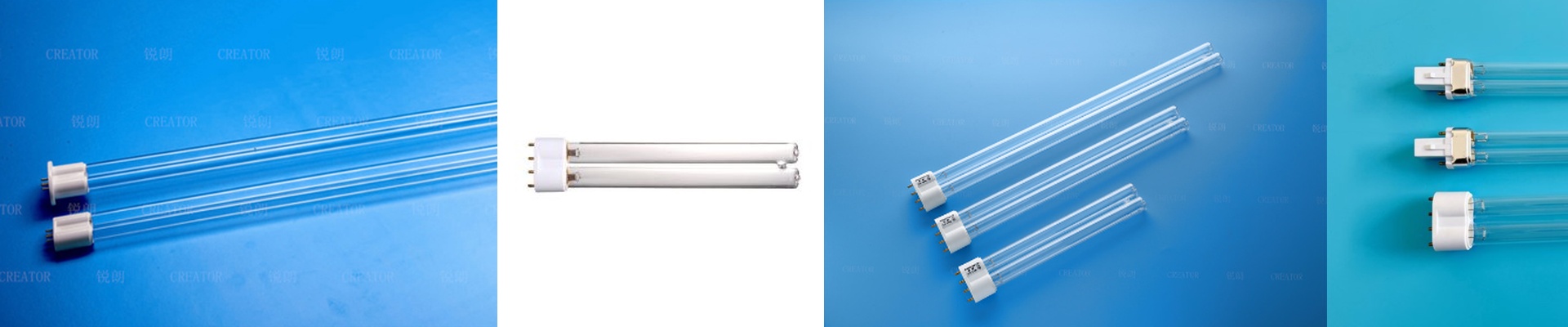
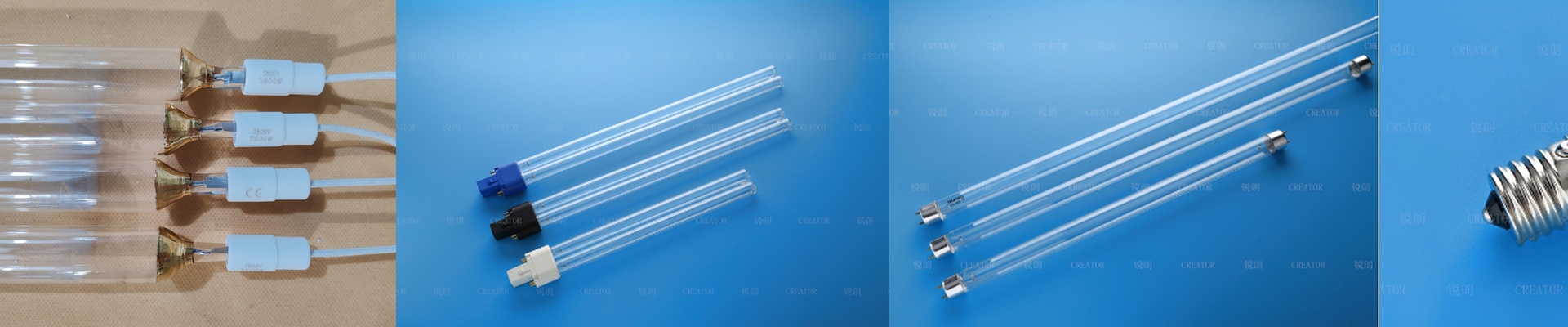
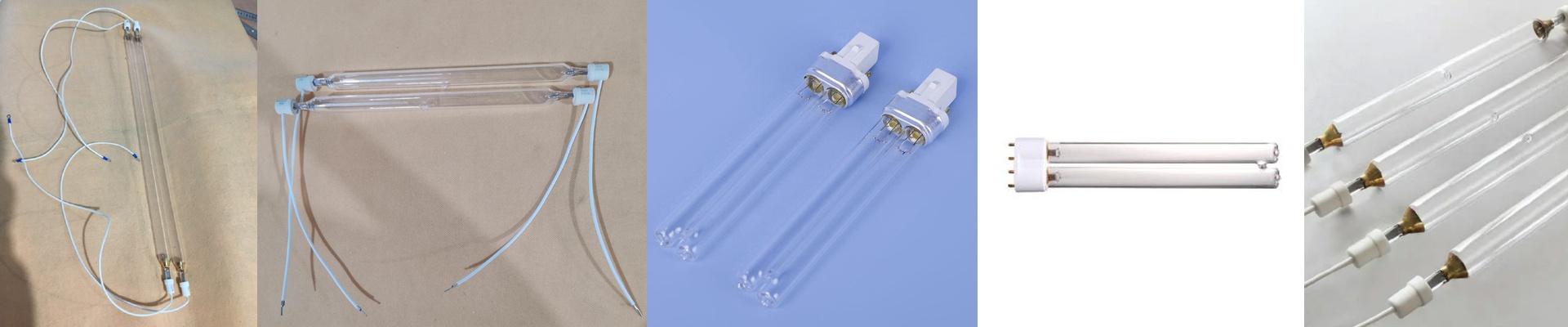
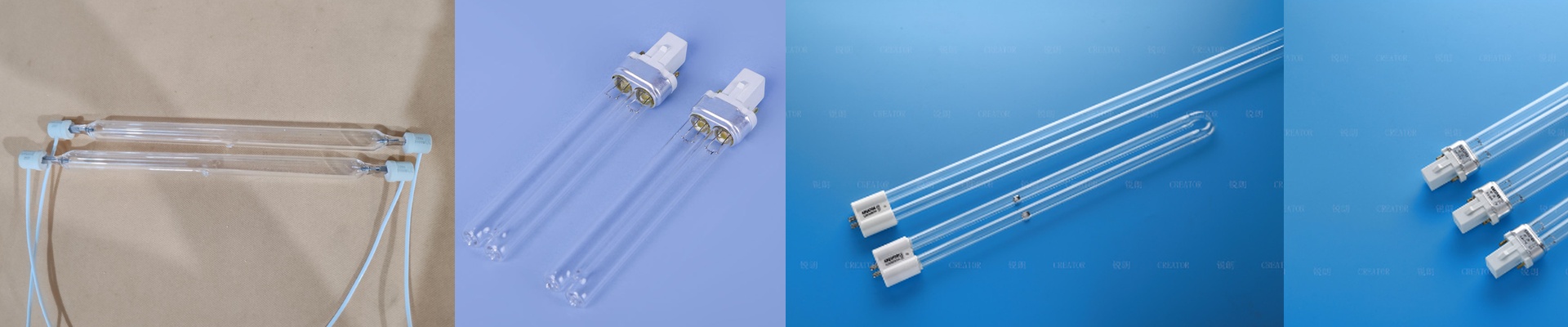
On a flexo line, blurred edges and color halation aren’t just cosmetic. They cost you scrap, rework, and missed delivery windows. The usual culprit is unstable UV output: when lamp intensity drifts, the photoinitiator response gets inconsistent, and dot gain climbs.
What matters under the hood
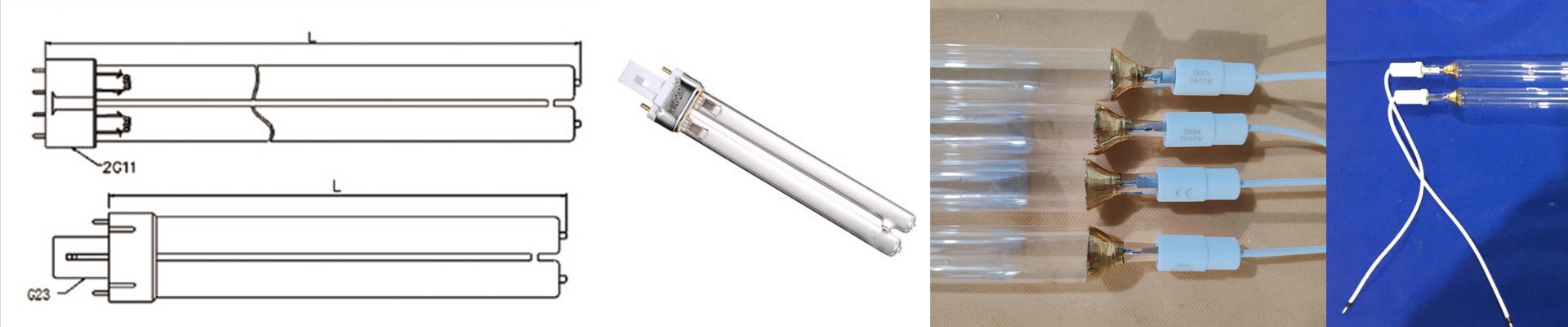
We build the lamp around a high-pressure mercury vapor discharge, tuned to the 365 nm band where standard label inks cure cleanly. Peak irradiance is held within ±2% across the arc length, and total output stays flat over the life of the lamp. You can expect 8,000+ hours with less than 5% attenuation, thanks to low-decay electrodes and a dichroic-coated reflector that keeps the spectrum consistent. Ozone-free quartz envelopes keep the work area safe and cut down on maintenance downtime.
Why this matters on a flexo press
On flexo label presses, the cure window is tight. Stable spectral output means cross-linking stays consistent from the first print to the last, so halftones hold and traps close without blooming. The tight intensity profile keeps heat off thin films, which reduces web distortion and lets you run faster. The payoff is sharper register, fewer rejects, and color that stays predictable shift after shift.
Practical notes from the floor
Match the lamp output to your ink’s required energy density, and confirm it plays nicely with your cure station geometry and reflector focal length. Check the power supply tolerance and cooling airflow—if cooling is short, output decay speeds up. And plan for lamp orientation and end-of-life sensing so intensity doesn’t drift between scheduled lamp changes.