Outdoor canvas gets hammered—sun, rain, and constant thermal cycling. If the UV-cured ink layer doesn’t have real cross-linking depth and solid photoinitiator conversion, you’ll see color fade fast. Then the job comes back as a warranty claim. It’s not just about brightness. It’s about spectral output that holds steady, hour after hour, for thousands of them.
What matters under the hood
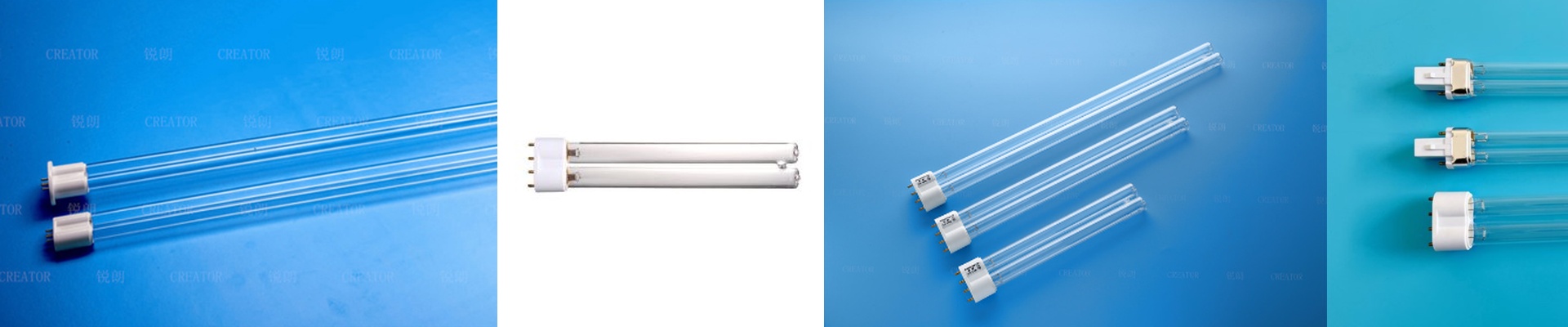
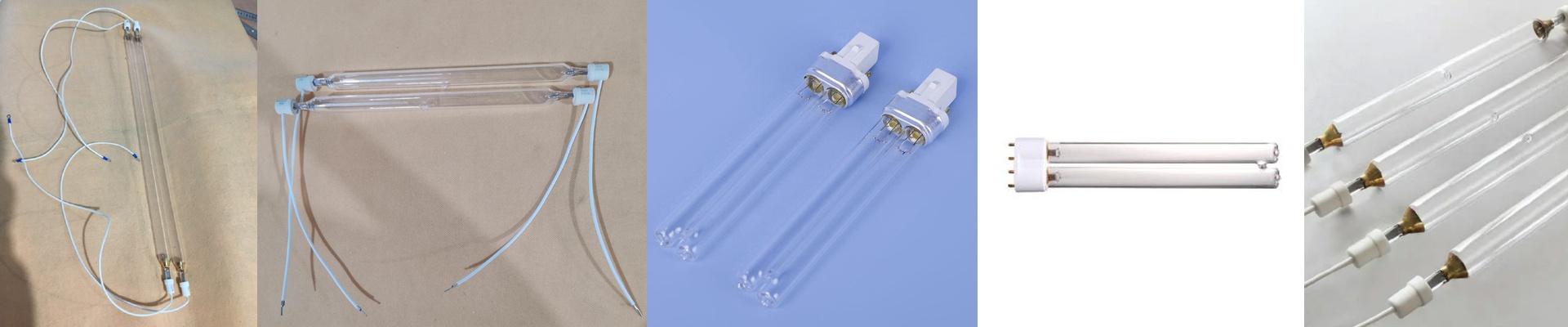
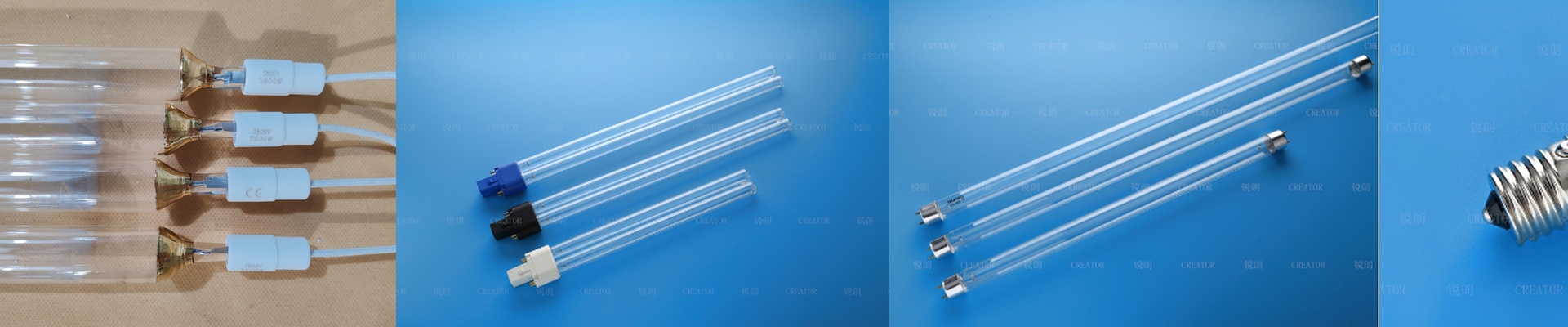
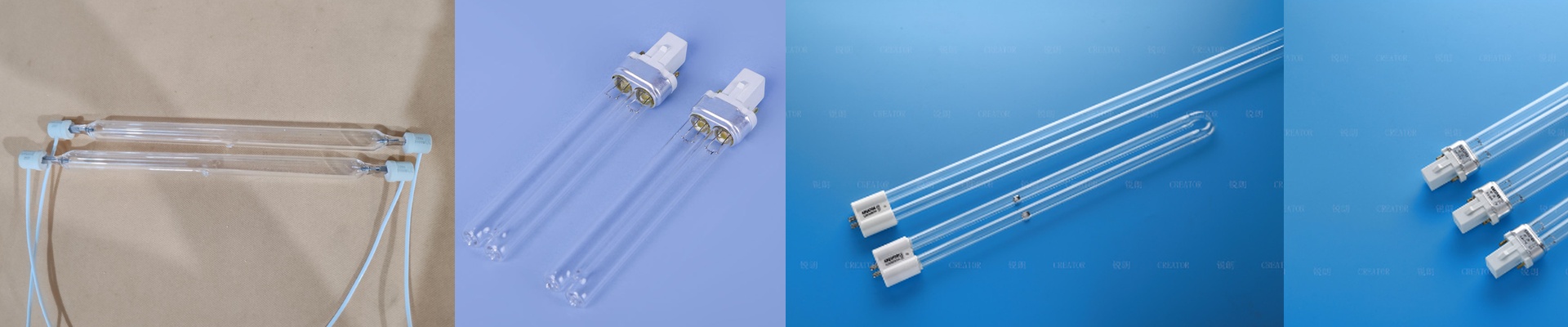
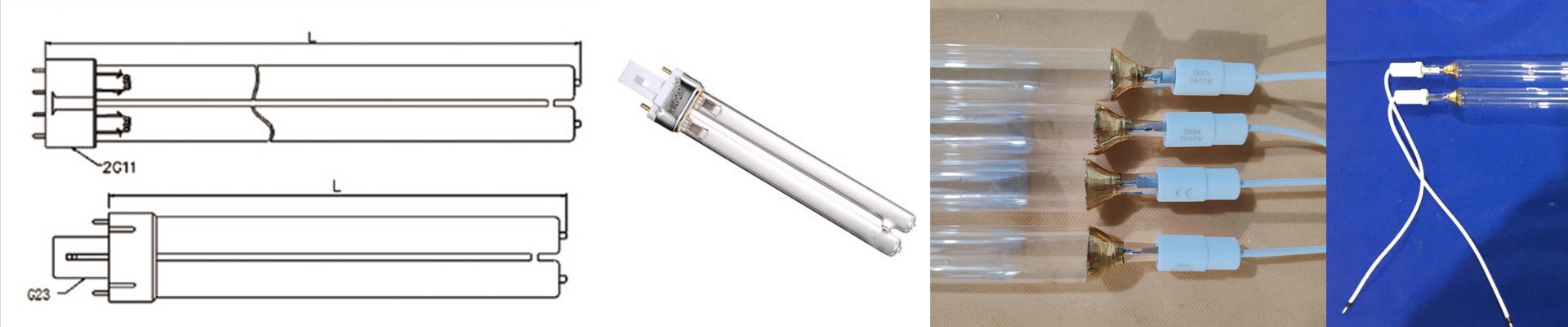
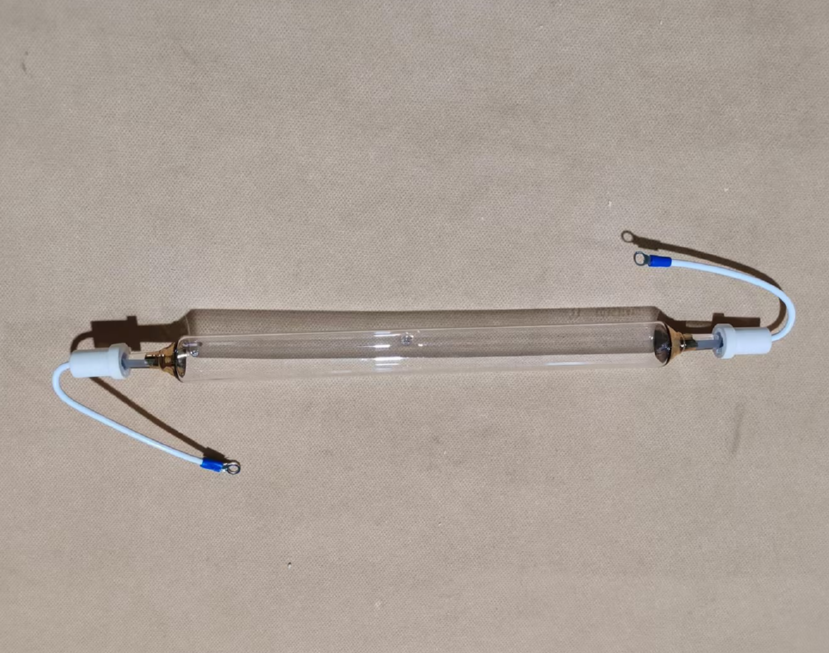
We build our quartz UV lamp tubes around a stable mercury vapor discharge, so the output stays consistent in the 365nm to 385nm band that drives both surface cure and through-cure in flexo, screen, and UV offset inks. Peak irradiance stays where you need it because the dichroic-coated reflector keeps energy density focused on the substrate, not dumped as waste heat. The tube geometry is chosen to give you uniform line profiles—no hot spots that scorch the edges while the middle stays undercured.
Why this matters on outdoor canvas
Long-term color retention comes down to a fully polymerized ink film. Our lamps deliver the photon flux needed to finish the cross-linking, which boosts mar resistance and weatherability. In weathering tests, properly cured prints show noticeably less gloss loss and far less pigment migration after UV aging cycles. You get stable output over 5,000+ hours with minimal spectral shift, so the cure window stays repeatable, job after job.
The shop-floor details
Match the lamp to the cure window: too much short-wave can cause surface inhibition; too little leaves unreacted monomers. Make sure your power supply and reflector geometry line up with the tube’s arc length and voltage. Peak irradiance climbs as you move the lamp closer to the substrate, but on thin films you have to manage heat buildup. Our ozone-free quartz cuts ozone generation, but the lamp still runs hot—ventilation and interlocks aren’t optional.