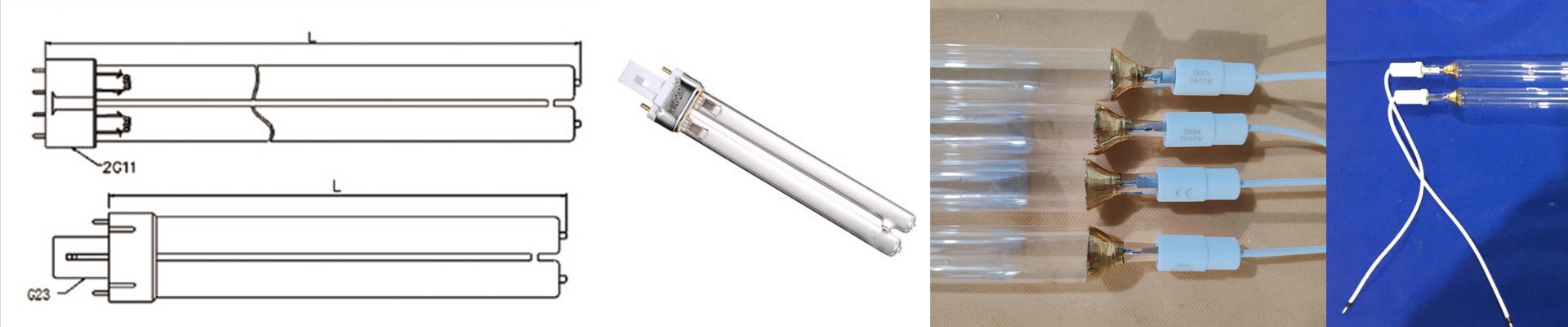
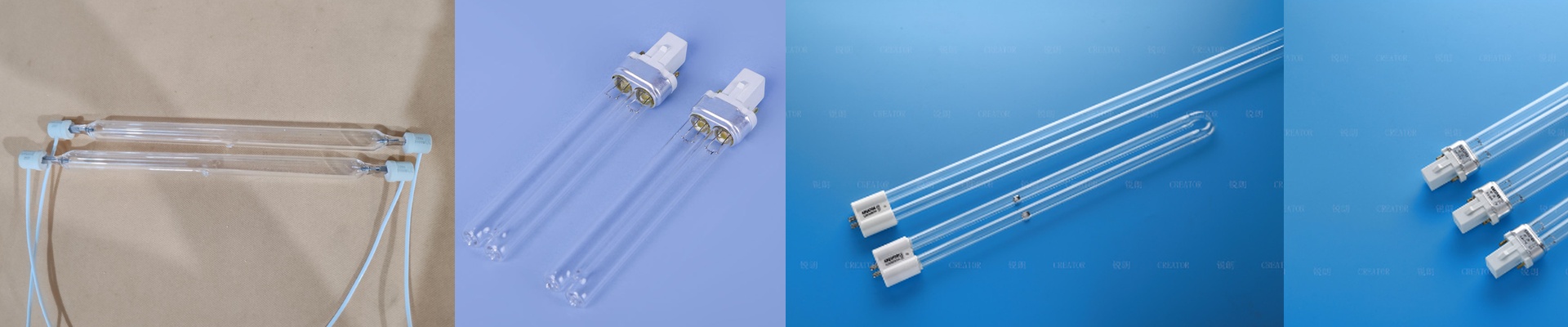
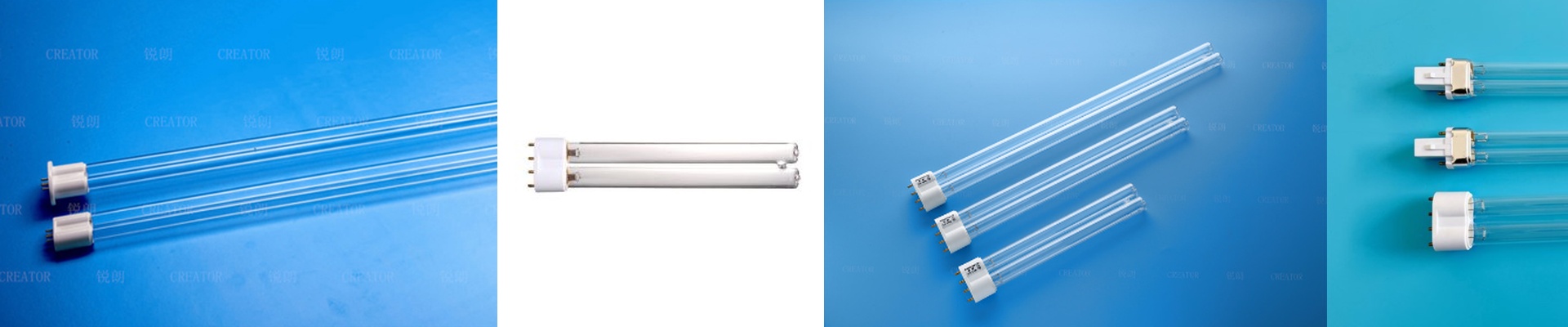
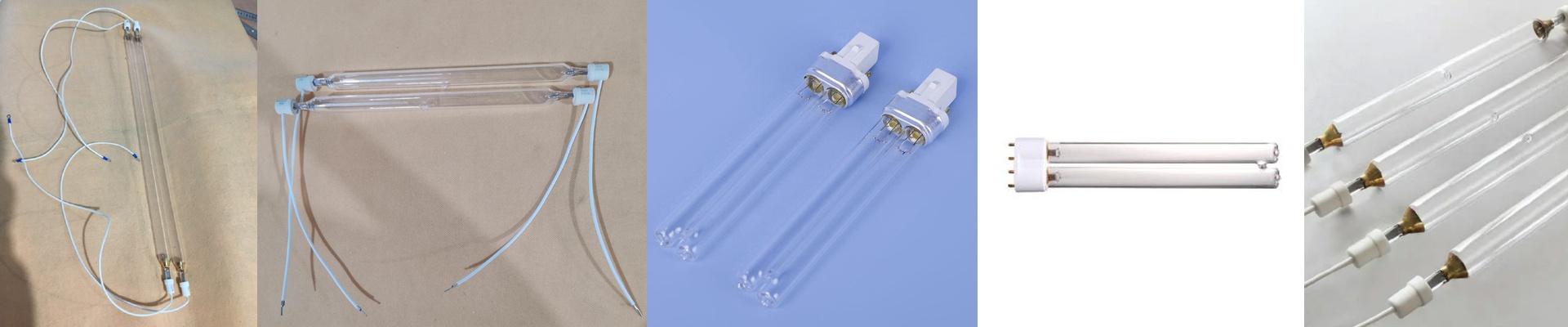
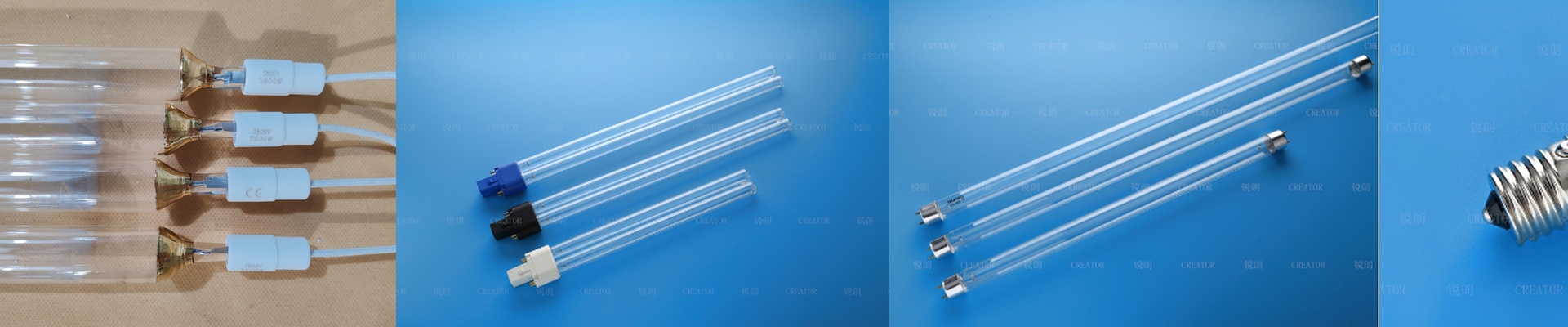
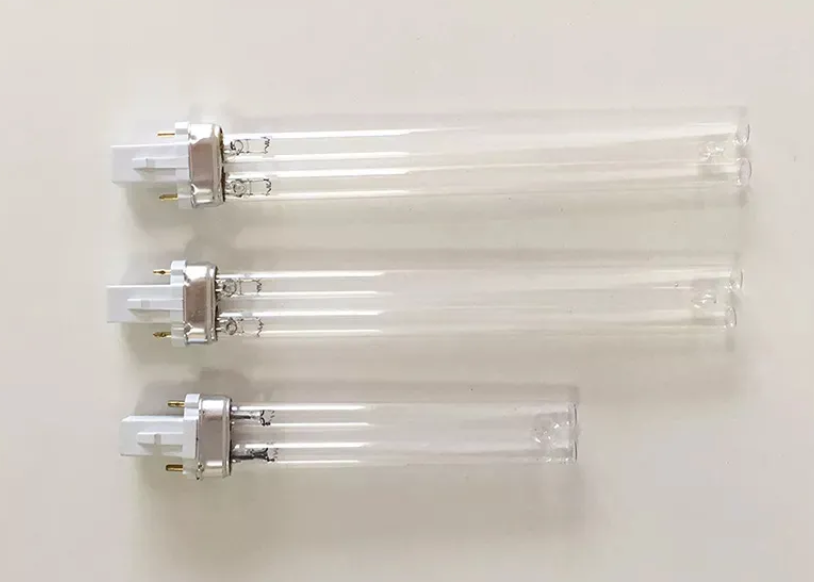
In cold storage and cold chain logistics, UVC disinfection falls apart when lamp output drops off. At -20°C, standard mercury lamps struggle with slow arc ignition, shaky discharge, and a weak spectral yield. The practical consequence is incomplete surface disinfection—and compliance exposure. What we focus on, technically We build the lamp around a quartz envelope and a mercury vapor discharge that’s tuned for low-temperature operation. The arc gap and fill pressure are set so ignition voltage stays stable and UVC output stays consistent, typically at 254nm, even after repeated thermal cycling. A cold-start electrode design cuts strike time, and a proprietary dichroic coating reflects UVC back onto the target while limiting heat loss from the arc tube. Peak irradiance is held within ±5% over the rated life, and we size output against microbial dose requirements, not some nominal watt number. Why this works in the cold In a -20°C environment, the lamp keeps UVC fluence stable, so disinfection cycles on conveyors, pallets, and packaging surfaces stay predictable. The quartz body takes thermal shock from rapid door openings and cold air surges without cracking. Energy draw stays steady because the arc doesn’t hunt for stability, and the reflector geometry keeps the beam where it needs to be. That means consistent log reduction, fewer process deviations, and longer intervals between lamp changes in freezer rooms and refrigerated trucks. The details that matter Cold-rated quartz mercury lamps are picky about ballast matching. Use an ignitor and driver spec’d for low-temperature mercury loads, and make sure the system can hit the required starting voltage without overdriving the electrodes. If the fixture sits in occupied areas, verify you’re running ozone-free quartz. And keep the lamp surface clean—frost buildup scatters UVC and knocks down effective dose.