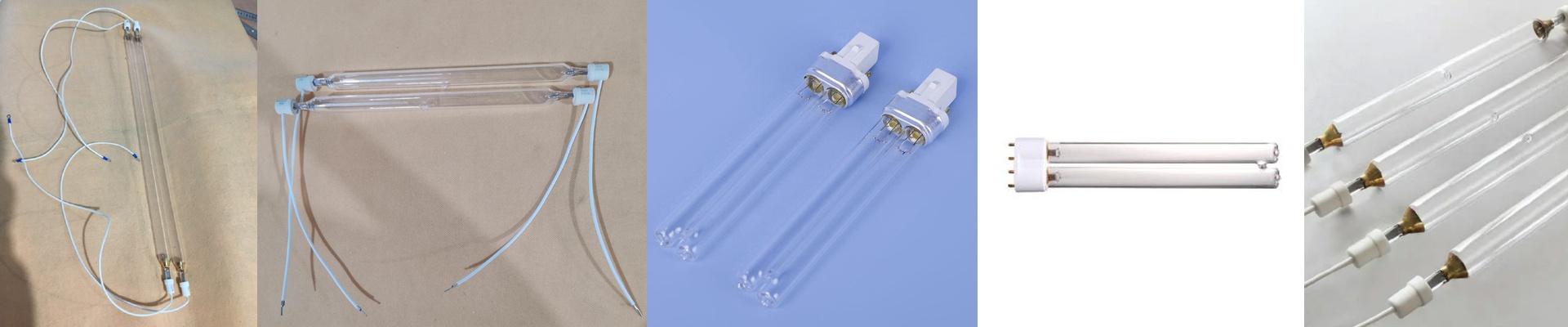
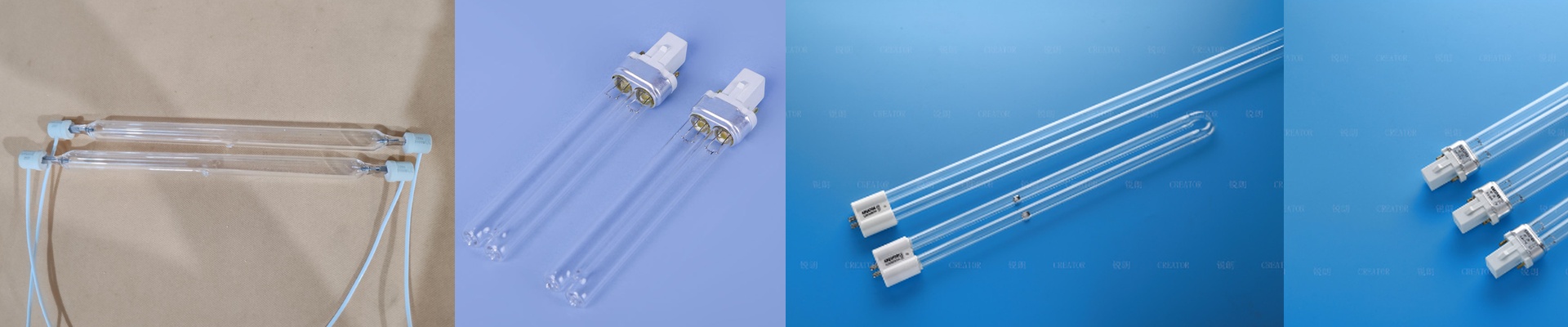
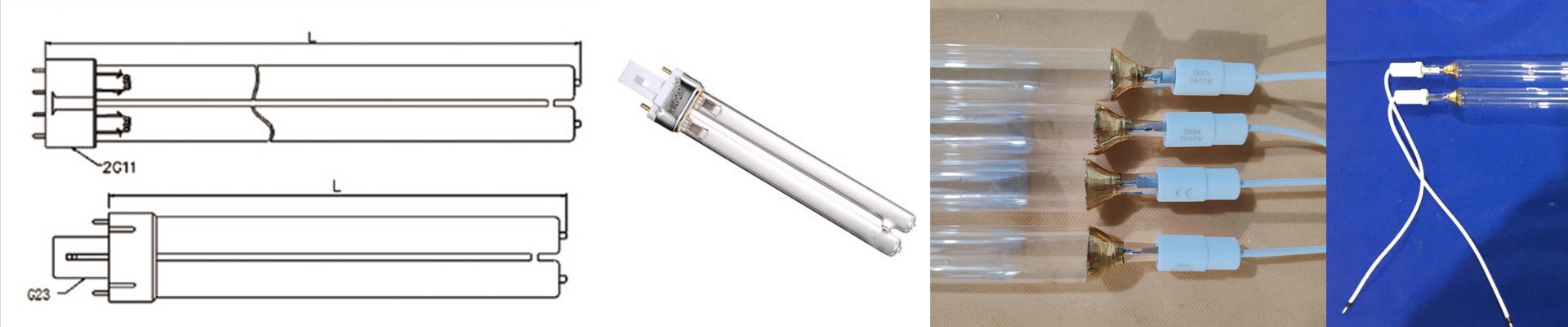
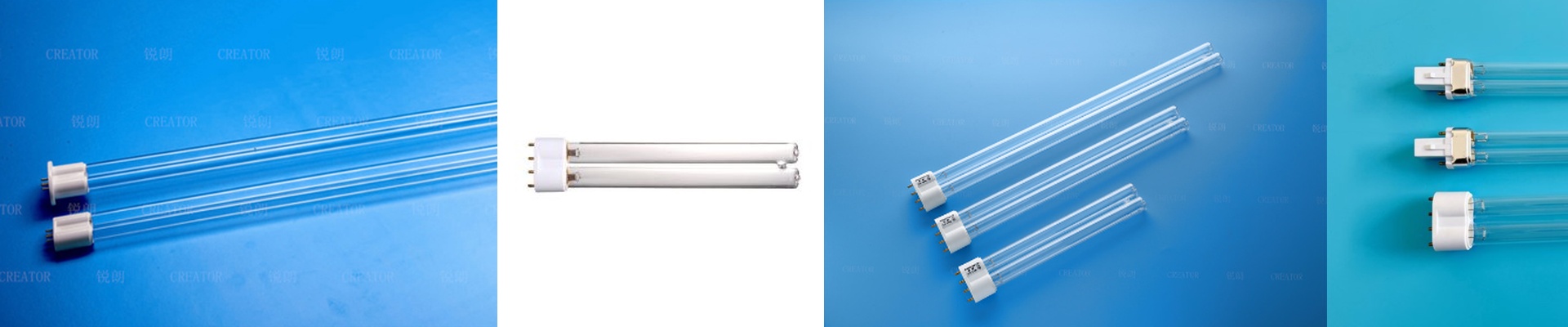
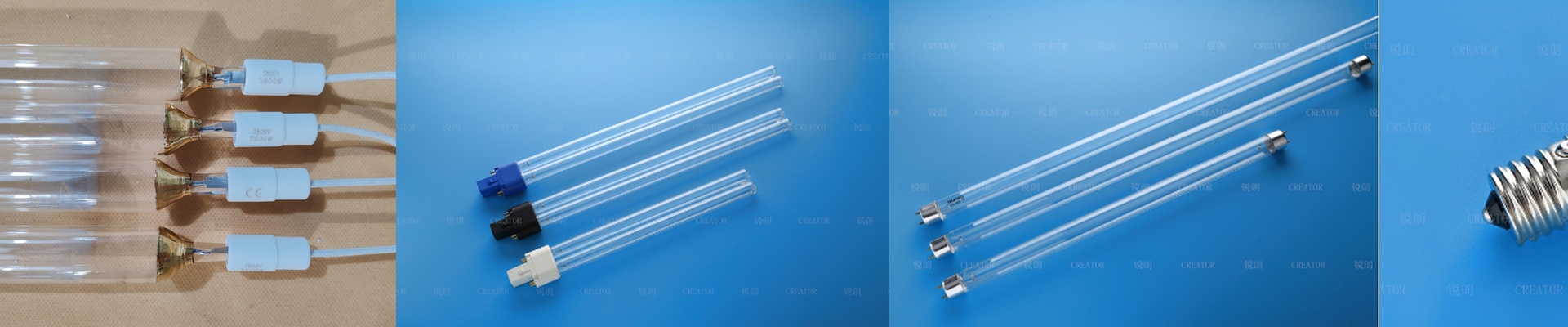
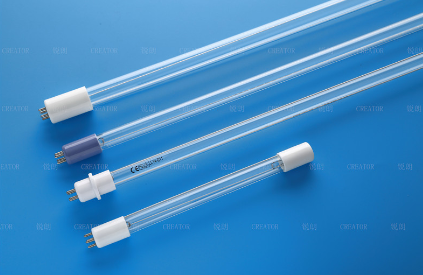
On the credit card line, lamp failure doesn’t just slow you down—it stops the whole line. No curing, no throughput, and zero room for guesswork. So we built the lamp around that reality: a modular, quick-change design that swaps a failed unit and gets the press back running in about two minutes. No tools. No teardown of the curing module. What matters, technically This is a high-pressure mercury vapor lamp, tuned for stable UV output across the photoinitiator window. Peak emission sits at 365nm, with a strong shoulder out to 385nm. Target irradiance at the substrate plane is ≥800 mW/cm², delivering ≥500 mJ/cm² in a single pass for rapid cross-linking on thin-layer inks and topcoats. The reflector uses a dichroic coating to push more of the spectrum forward and keep wasted heat off the substrate. You get 2,000+ hours of stable output, and end-of-life intensity drop stays under 15%. The system is ozone-free, built around a quartz envelope and a thermal design that keeps case temperature under control, even on continuous duty. Why it holds up on the credit card line The run is fast, and the curing window is tight. With this modular lamp, you remove the real bottleneck: downtime. Swap the lamp module, line up the quick-connect interface, and you’re back in production—no need to recalibrate the entire curing station. Cycle time stays intact, scrap stays low, and the consistent spectral output keeps color and adhesion consistent from batch to batch. Energy use stays predictable, and fewer lamp swaps mean less spare inventory and less service labor. Here’s what to keep in mind Installation is straightforward, but you still have to verify reflector and lamp alignment with a spectral radiometer to hit the stated irradiance window. The lamp fits standard curing stations on credit card presses, but confirm your reflector geometry, aperture, and power supply before final integration. Output stability depends on clean mains voltage and adequate cooling. Voltage spikes and thermal drift will shorten lamp life and push spectral tolerance.