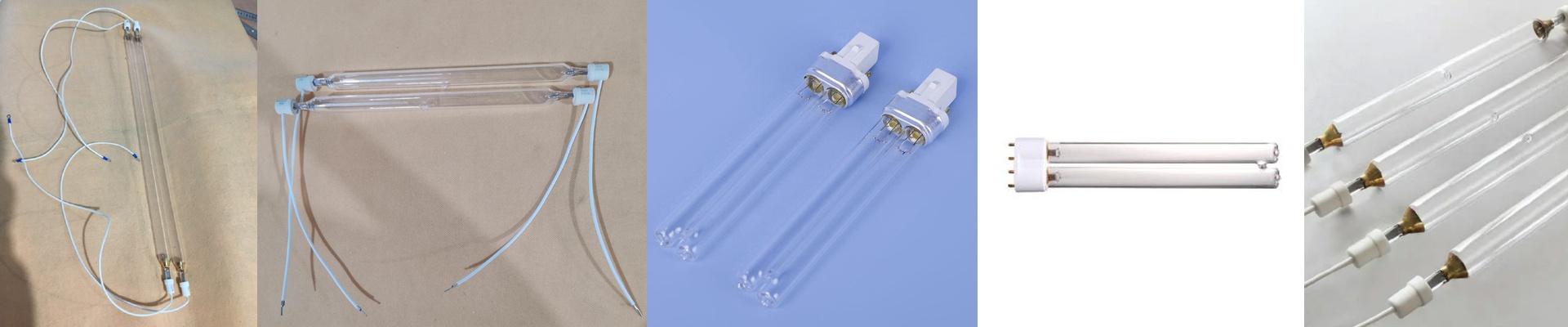
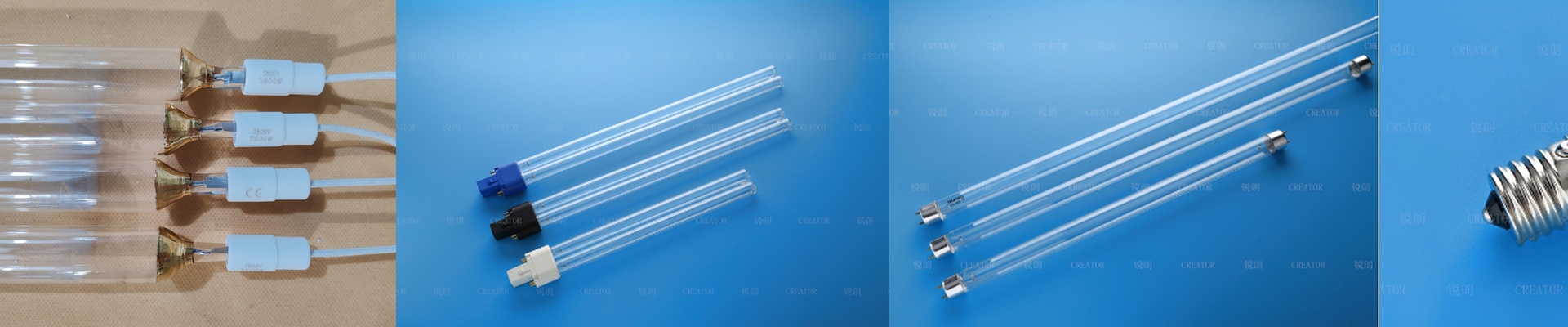
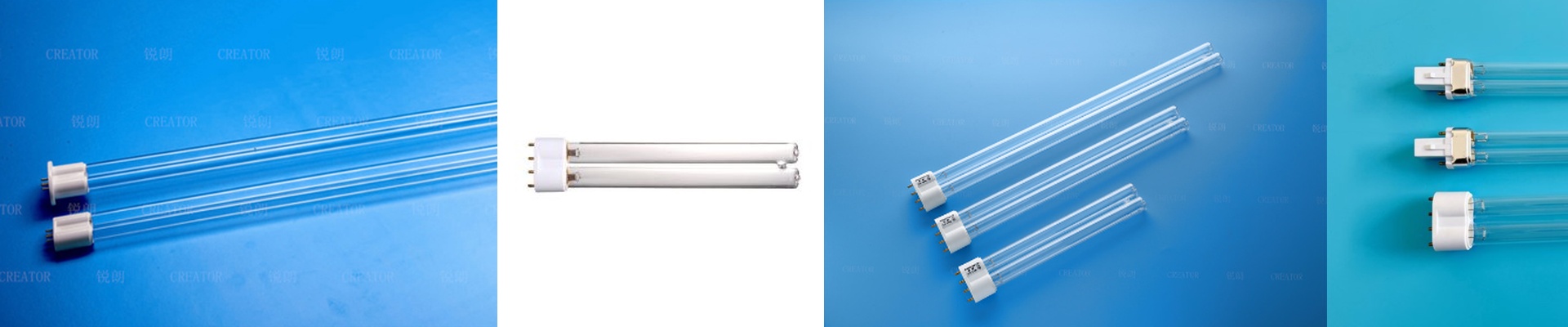
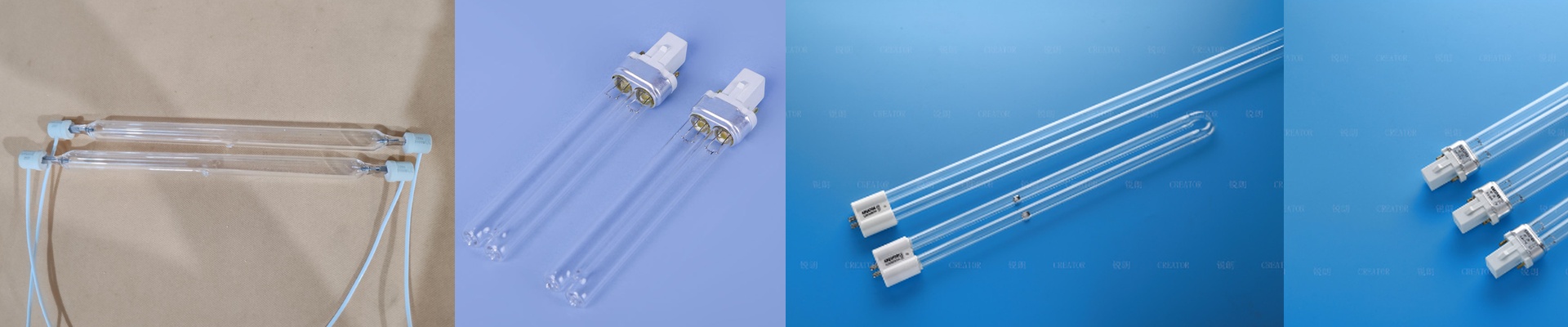
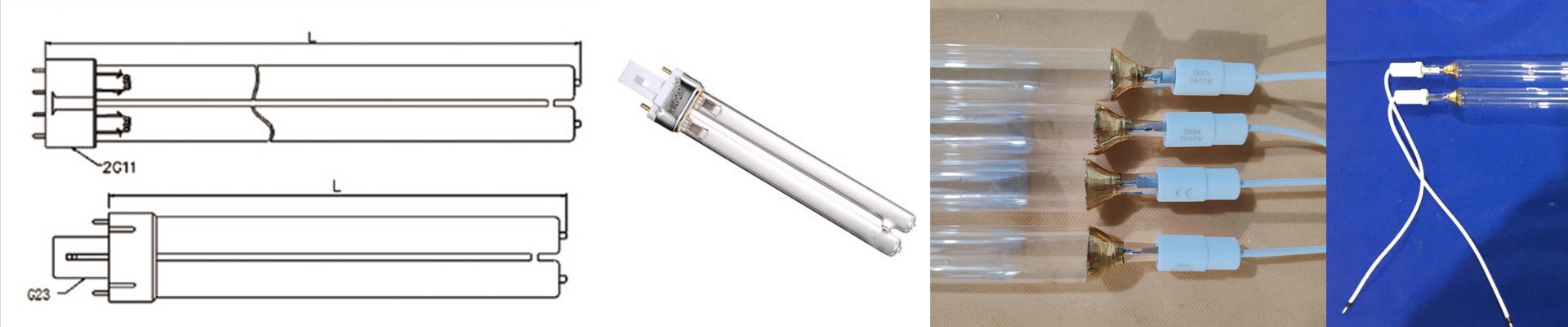
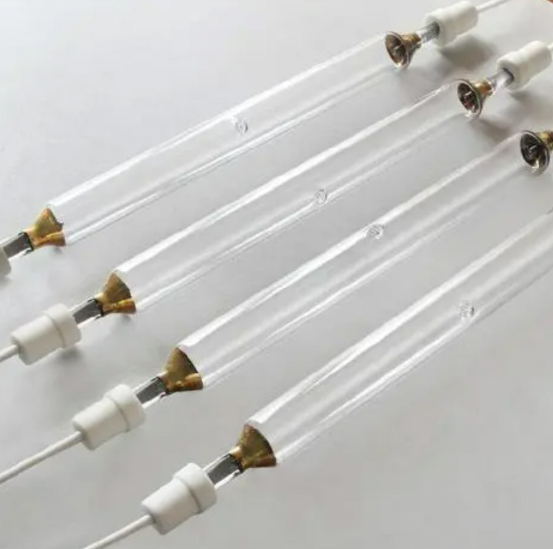
On the floor, it’s never just about “light.” It’s about matching the photon energy to the photoinitiator chemistry in your garment inks. Short-wave UV or LED? The call comes down to spectral control, irradiance, and what your curing window will actually tolerate. When you’re pushing high output on textiles, the mercury vapor lamp versus metal halide decision boils down to spectral profile and how the dose lands. What matters, technically Mercury vapor lamps hit hard across a broad spectrum, with strong peaks at 254nm, 313nm, and 365nm. That multi-line punch gives you deep penetration and a fast surface cure, delivering high peak irradiance—often over 12W/cm² at the arc—so cross-linking happens quickly. Metal halide lamps shift energy toward longer wavelengths, typically 385nm and 405nm, and pull back on the short-wave UV. The tighter profile leans into surface cure and plays well with thicker ink laydowns without driving exotherm through the roof. Mercury lamps hold spectral stability for roughly 1,000–1,500 hours before output starts to fall off. Metal halide can stretch to 2,000–3,000 hours, but it needs clean ignition circuitry and consistent arc-gap tolerance. Why this plays on the press In apparel screen and flexo curing, mercury lamps shine when the ink is built to absorb at 254nm/313nm and you need through-cure on dark substrates. Metal halide sources fit formulations tuned to 385–405nm, cut down on ozone, and keep heat build-up under control on thin fabrics. Either way, you can hit the needed energy density—typically 300–600 mJ/cm²—in a short dwell, so line speed stays up and color stays consistent. The practical details you can’t skip Mercury lamps need high-voltage ignition and you have to manage ozone. Metal halide is more sensitive to power swings, and reflector alignment has to be spot-on to keep uniformity. Check your printer’s lamp compartment length, reflector geometry, and power supply compatibility before you spec. If you run mercury lamps at lower power to tame heat, you risk under-cure. Metal halide lamps will underperform if the arc length doesn’t match the reflector focal line. Match the lamp to the photoinitiator, then dial the dose to the substrate.