Getting Your UV Curing Just Right
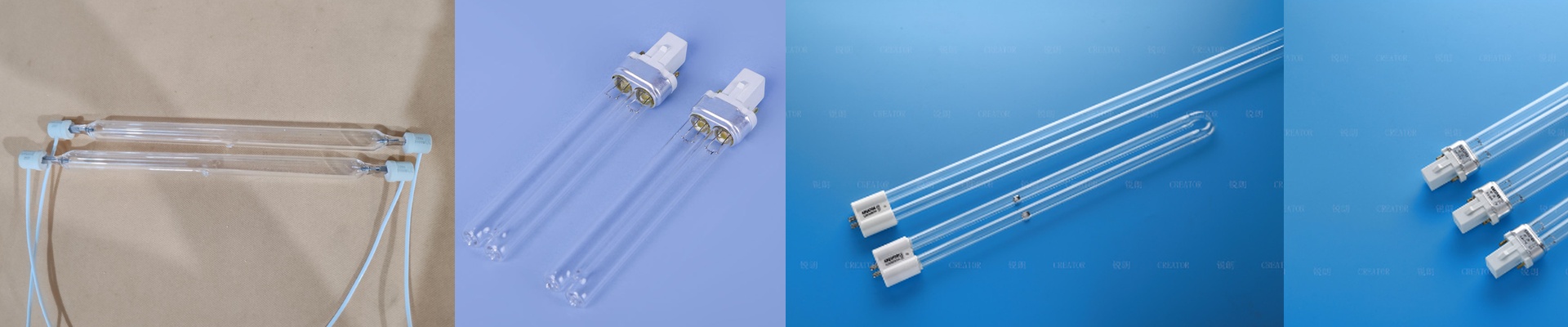
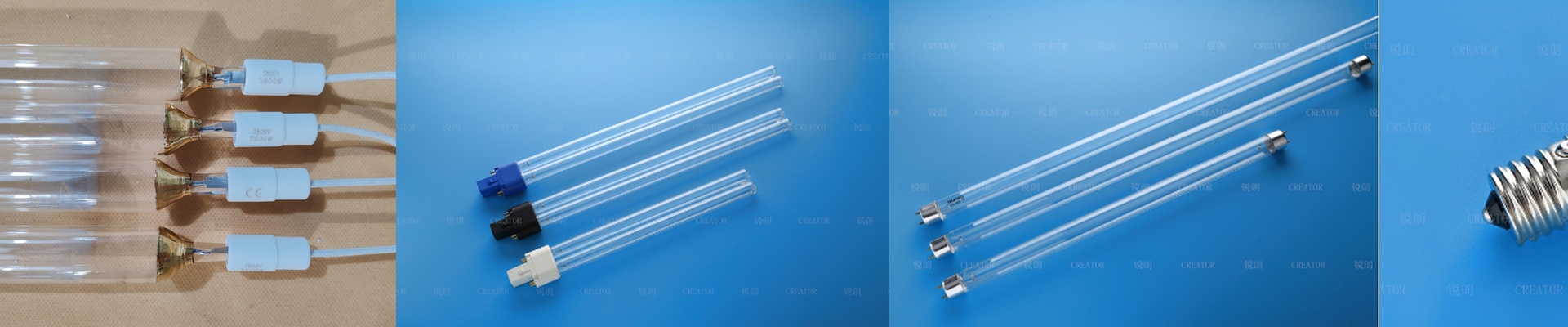
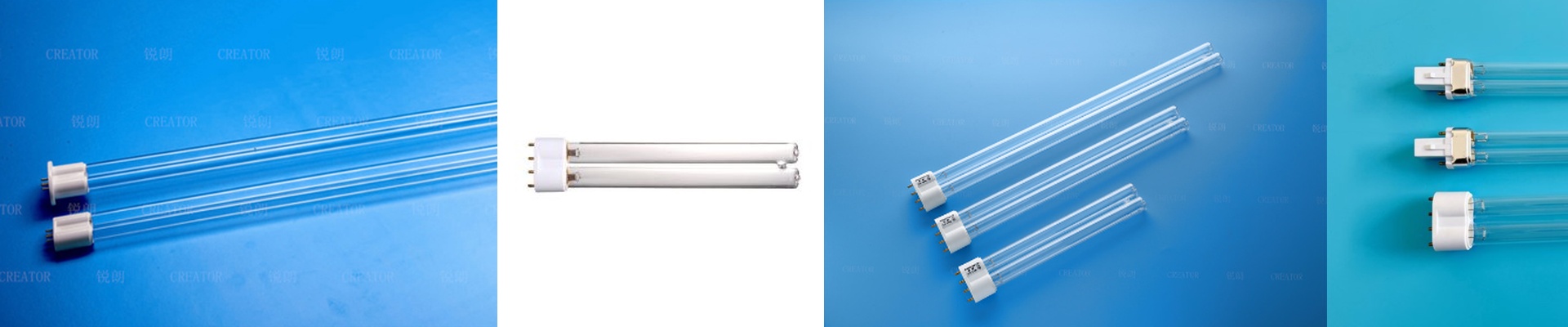
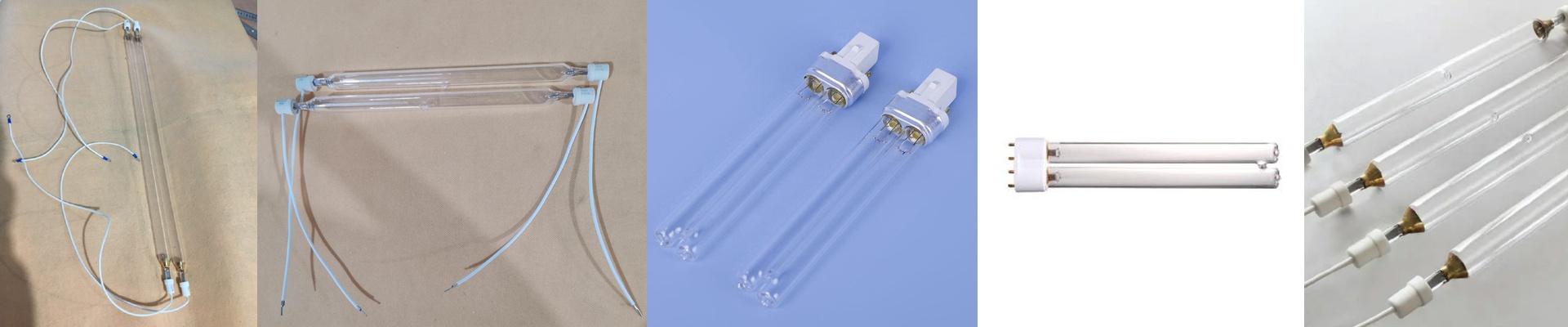
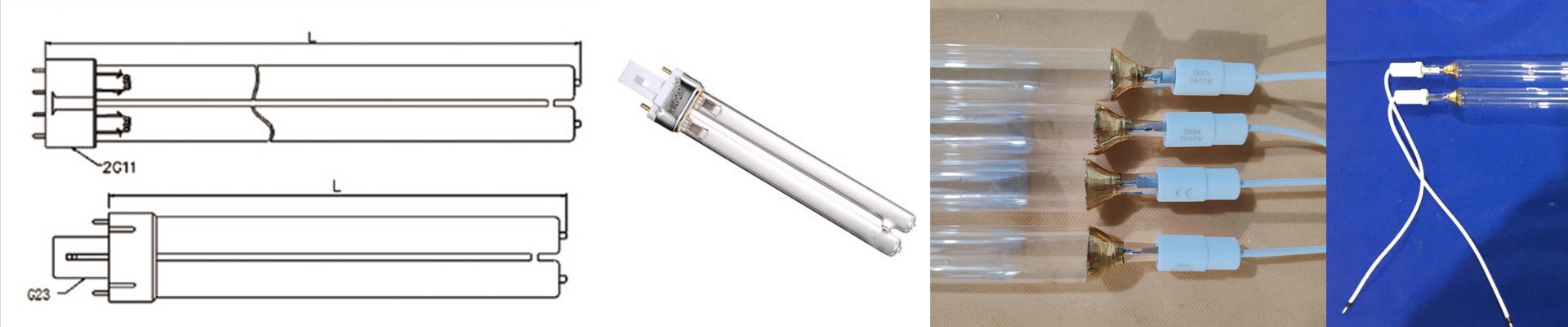
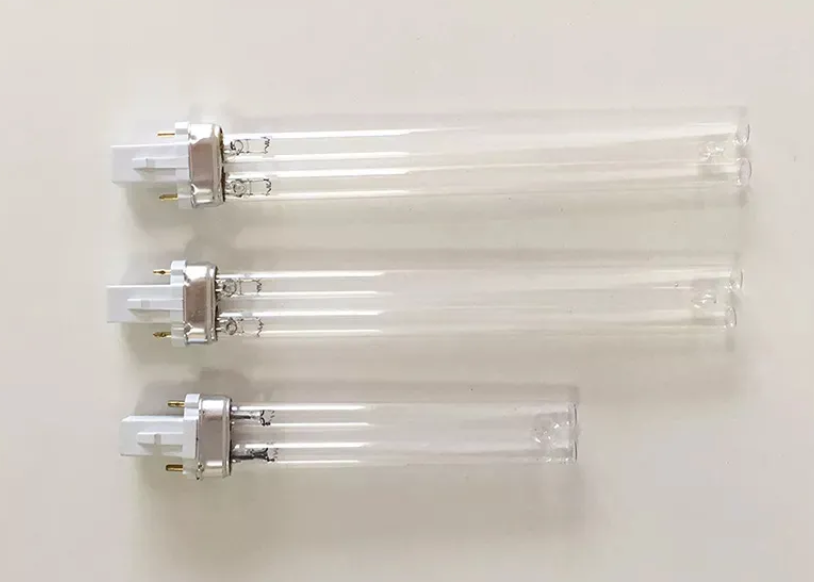
If you’re running high-speed printing, you know the drill. You need that ink to go from a liquid to a solid film the second it hits the light. That’s where our mercury UV lamps come in. We build them to hit those specific wavelengths that trigger the chemical reaction, making sure your coatings set instantly so you can keep the line moving. Power, Heat, and the Balancing Act Here’s the thing: the output of a mercury lamp comes down to wattage and arc length. More wattage means more photons, which means you can crank up your conveyor speed. But you have to be careful. You can’t just throw max power at a short tube or you’ll fry the electrodes way too soon. It’s all about matching the lamp’s muscle to how fast your belt is actually moving. And then there’s the heat. These lamps put out a ton of infrared energy. Whether you’re using air or water cooling, your system has to be able to breathe. If the lamp gets too hot, that quartz envelope can stress out and crack. Once you lose the vacuum, the lamp is toast. What Goes Into the Build We use high-purity fused quartz for the glass. Why? Because it lets the UV radiation slide right through without getting absorbed. Depending on what’s in your ink, we can tweak the light. Some jobs need a sharp peak at 254nm, while others need a wider spread to make sure the ink cures all the way through, not just on the surface. Inside, we use tungsten electrodes. They’re tough enough to handle the high-voltage strike and the grind of constant use. We also make sure the seal where the wires meet the quartz is airtight. If even a little oxygen leaks in, it ruins the mercury vapor and your light output tanks. Keeping Things Running The good news is these are designed to be simple drop-in replacements. You just wire them to your ballast, set the current, and you’re off. Just keep in mind that these lamps don’t last forever. They naturally fade. Usually, you’ll notice the UV intensity start to dip after about 1,000 to 2,000 hours. Keep an eye on your mW/cm² levels. It’s much easier to swap a tube on your own schedule than it is to deal with a batch of uncured, tacky ink on your finished prints.