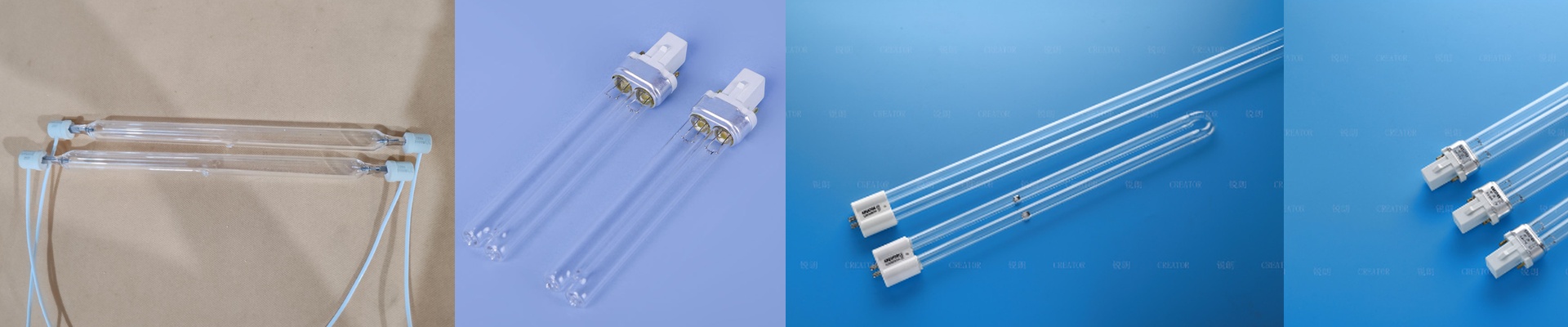
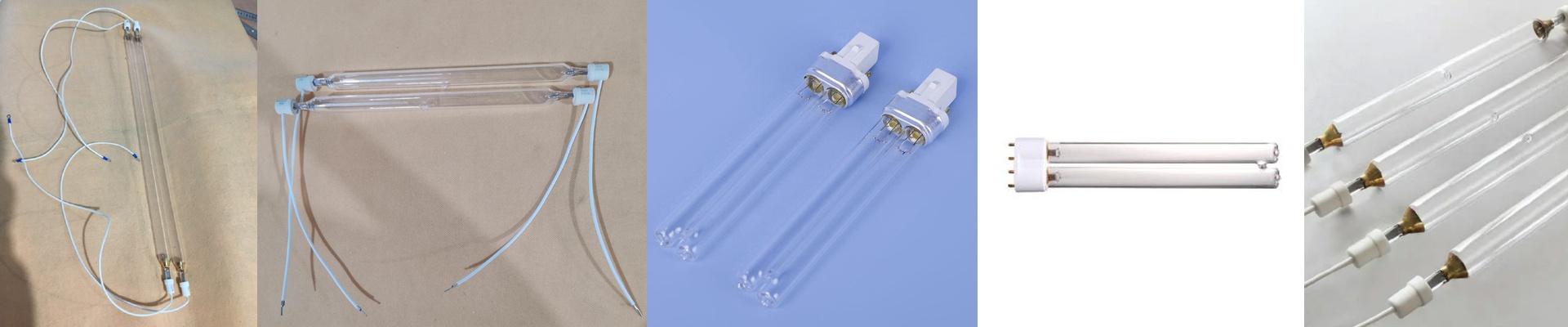
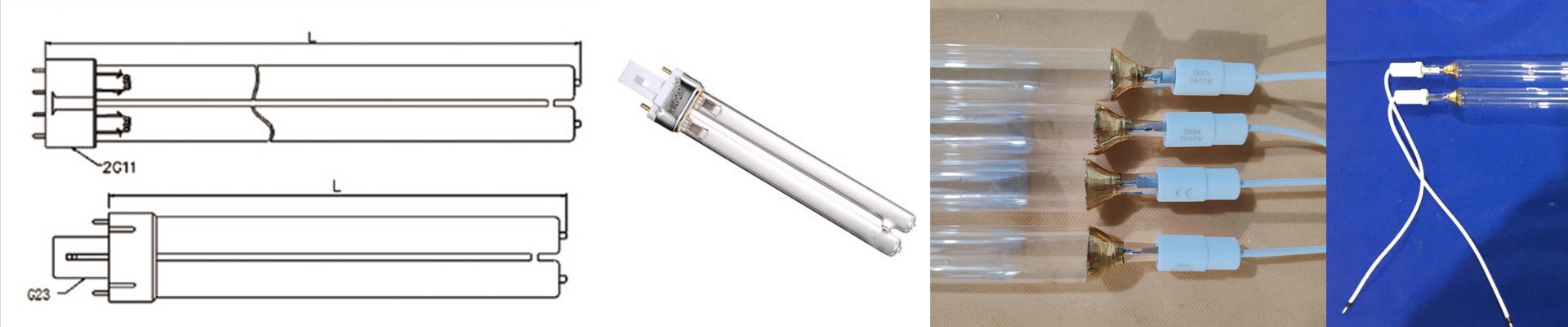
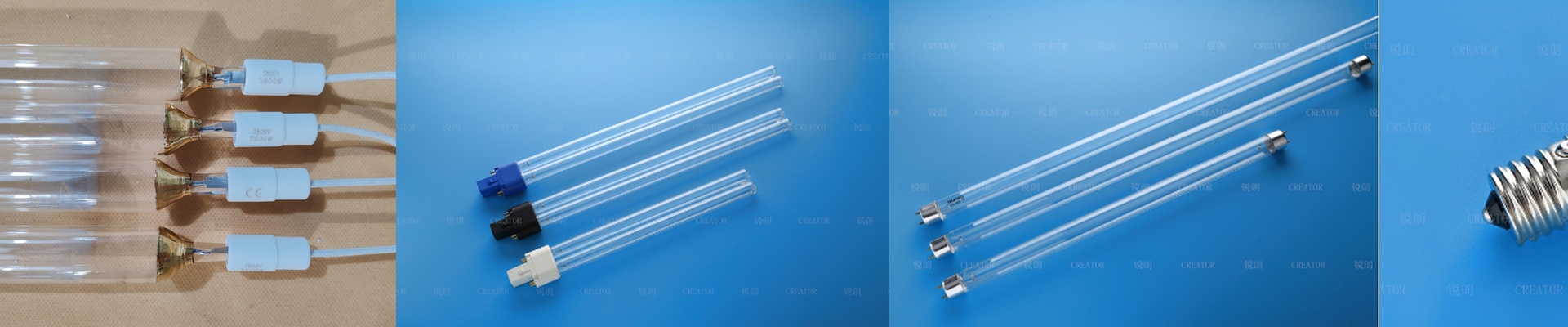
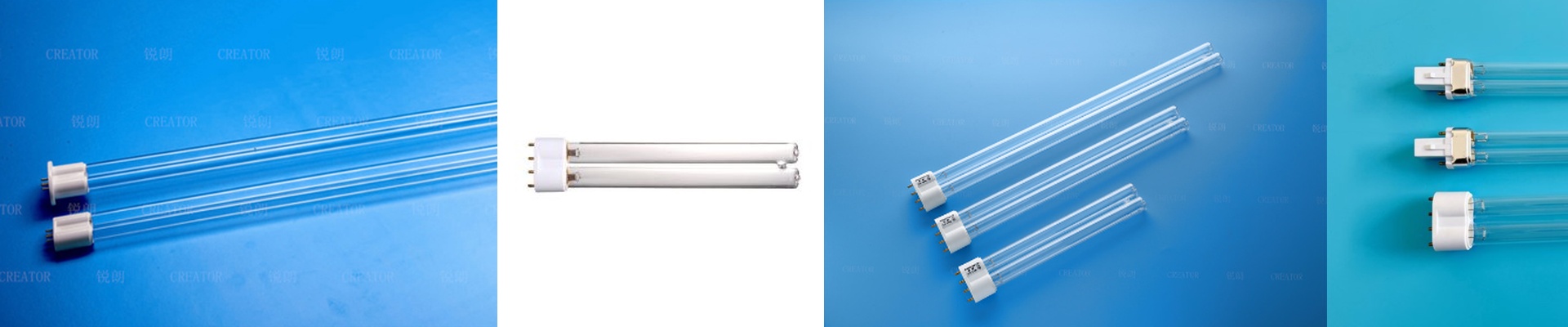
Getting Your UV Curing Actually Right
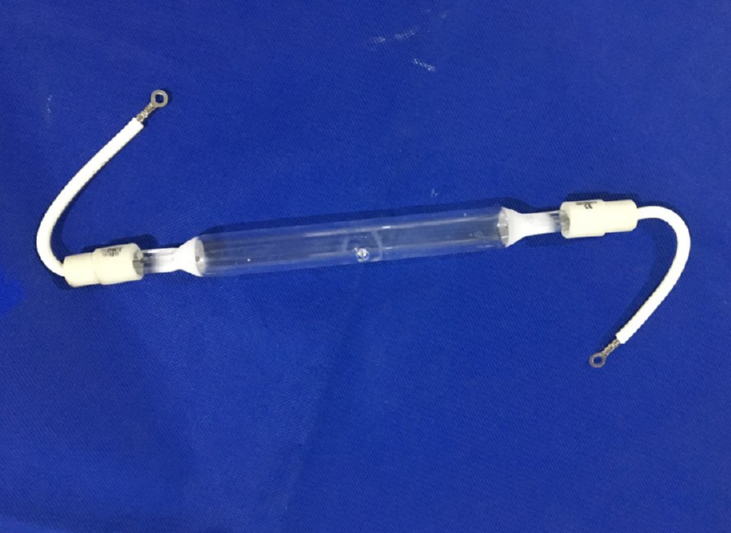
Let’s be honest: UV curing isn’t just about drying ink anymore. These days, we look at light energy as a precision tool. It’s about getting that chemical bond exactly right or tweaking a surface just enough to make it work. That’s why we don’t do “off-the-shelf” here in China. We build custom UV lamps because your line speed and your materials are unique. A generic lamp is just a guess; a custom one is a solution. The nitty-gritty of the output Here is how we actually do it. We look at the irradiance (W/cm²) and the specific wavelength your photoinitiators crave. Need a hard surface? We go with short-wave. Need to cure deep into a section? Long-wave is the way to go. We then calibrate the quartz envelope thickness and the gas fill to match your wattage. If you’ve got a conveyor belt screaming along at high speeds, you need high-wattage tubes for that raw intensity. But there’s a catch. You’ve got to make sure your cooling fans or water-jackets can actually move that heat. If the lamp gets too hot, the bulb dies early or—even worse—your parts start warping. Not a great look. Picking the right stuff We use high-purity fused quartz. Why? Because it lets the UV light through without the glass soaking up the energy that should be hitting your part. Plus, we know space is usually tight on the factory floor. We make custom lengths and specialized end-caps so these lamps just slide right into your existing housings. No fighting with generic fittings. We build everything to your specific electrical schematic so you don’t deal with annoying voltage drops across long runs. How this works in the real world In a high-volume shop, downtime is a nightmare. It’s expensive. It’s stressful. By matching the lamp’s spectral output perfectly to your ink or adhesive, we can actually shorten your curing tunnel. That gives you more floor space. It makes the whole process feel tighter and more controlled. Just keep one thing in mind: if you crank up the wattage to speed up the line, you’re adding a lot of heat to your conveyor belt. It’s a balancing act. You have to find that sweet spot between curing fast and not melting your materials.