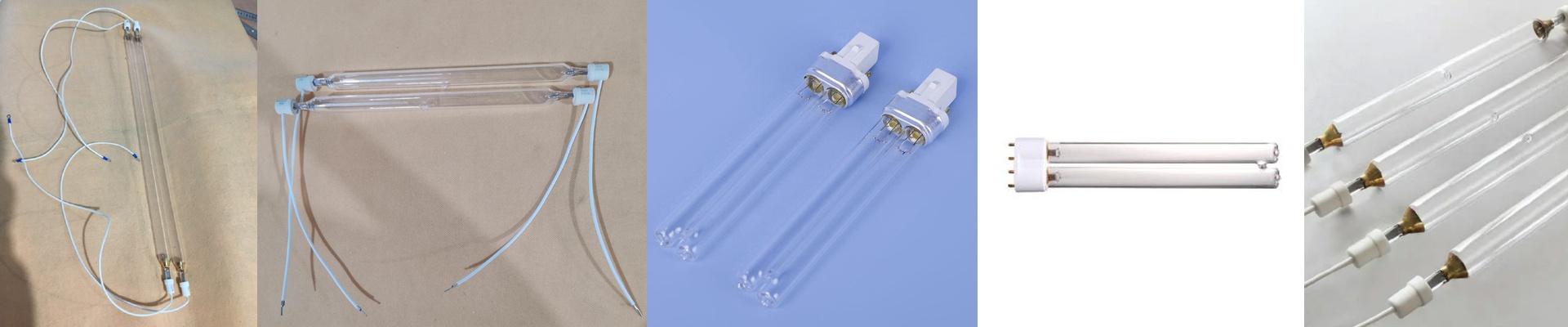
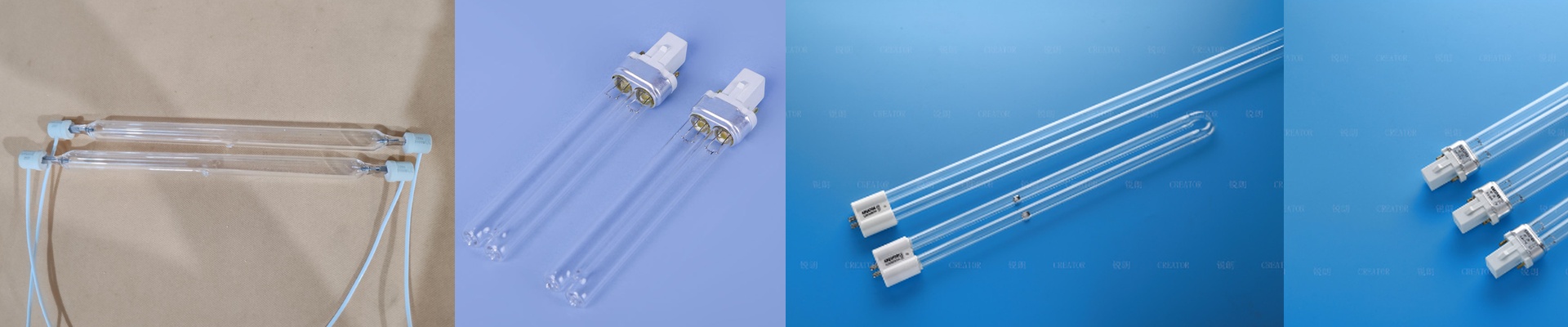
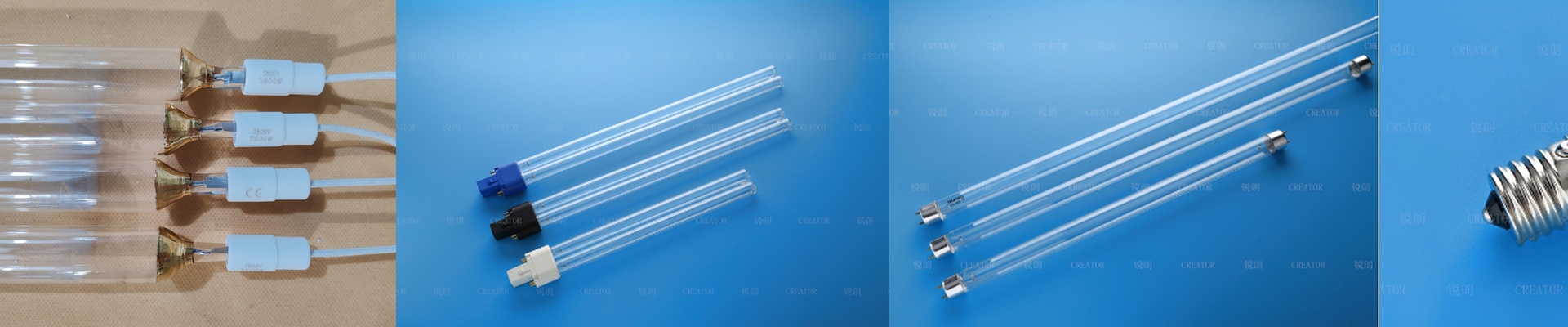
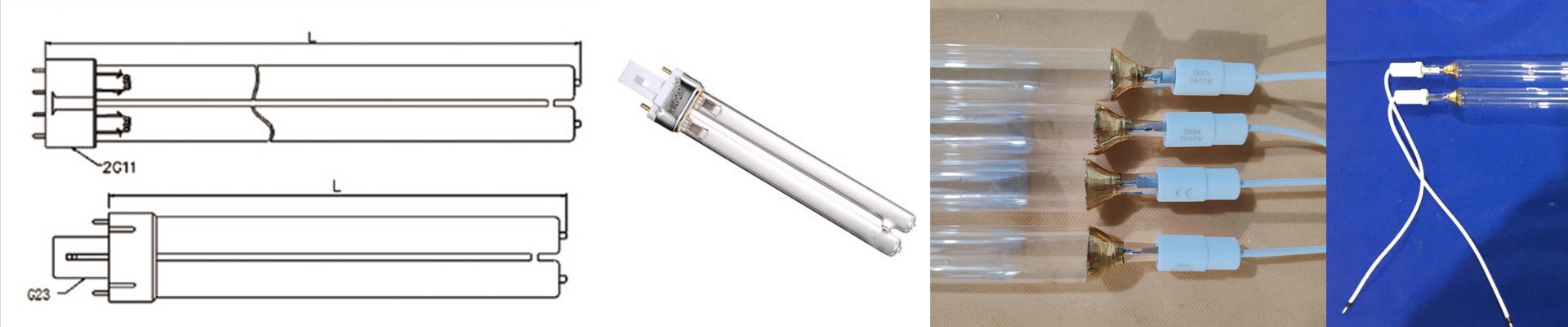
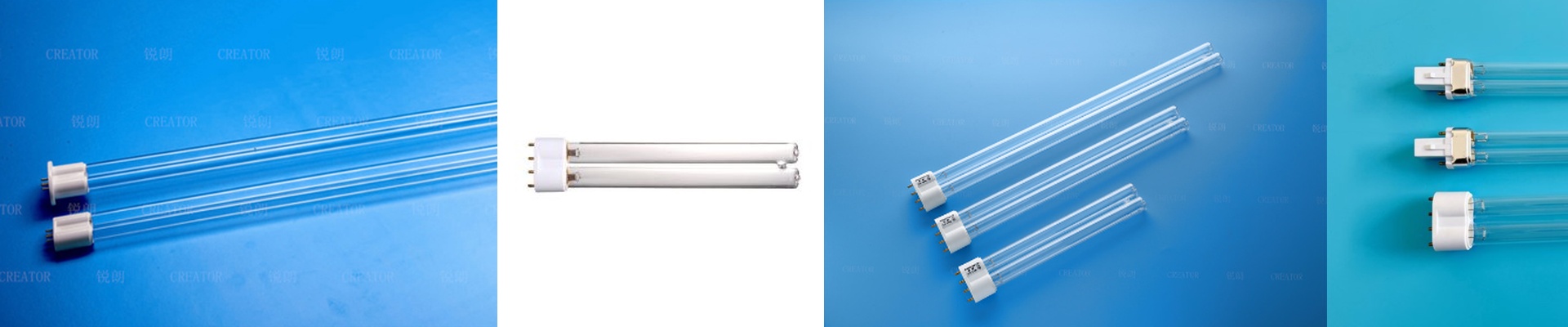
Making GaI UV Lamps Actually Smart
Most UV lamps are pretty basic. But when you’re dealing with high-precision curing or semiconductor work, “basic” doesn’t cut it. That’s where Gallium Iodide (GaI) comes in. We build these custom lamps to hit those weirdly specific wavelengths that your standard mercury tubes just can’t reach. Lately, we’ve been focusing on something bigger than just the light. We’re turning these from “dumb” bulbs into tools that actually talk to you.
The grit behind the glow
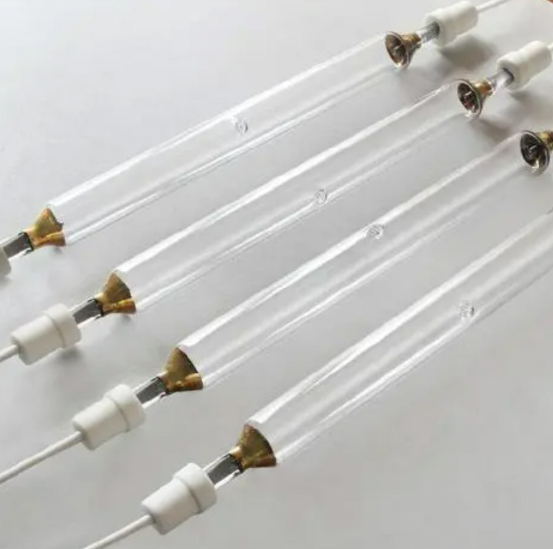
Here’s the deal with GaI: it lets us tune the emission peaks. Instead of a one-size-fits-all approach, we can spec a tube for the exact photo-initiator you’re using. We spend a lot of time tweaking the gas pressure and iodide levels. Why? Because nobody wants the output to drift while the lamp is warming up. You want a concentrated dose of UV from the second it’s ready. But there’s a catch. That kind of energy is brutal on the glass. To keep the tubes from clouding over or wearing out too fast, we use high-purity fused silica. It’s tough. It handles the heat.
Stop guessing when the bulb will blow
The “smart” part of the lamp isn’t actually in the glass—it’s in the ballast and the sensors. We’ve added real-time power tracking. Instead of staring at a timer and hoping for the best, you can see voltage drops and current spikes as they happen. It means you’ll know a lamp is about to die before it actually burns out and kills your production line. And get this: we’re tracking actual UV irradiance (mW/cm²). No more guessing. That data goes straight to your PLC. If the light dips below your limit, the system flags it immediately. Simple.
The honest trade-offs
Now, I won’t tell you it’s all sunshine and rainbows. Adding this tech makes your wiring a bit more crowded. You can’t just pop these into a cheap socket. You’ll need a digital ballast and a steady data network to make it work. Plus, putting sensors close to a hot tube is risky. If your cooling isn’t up to the task, you’re just inviting the electronics to fry. I always suggest a dedicated cooling loop. It’s a bit more work upfront, but it saves you from a massive headache later.