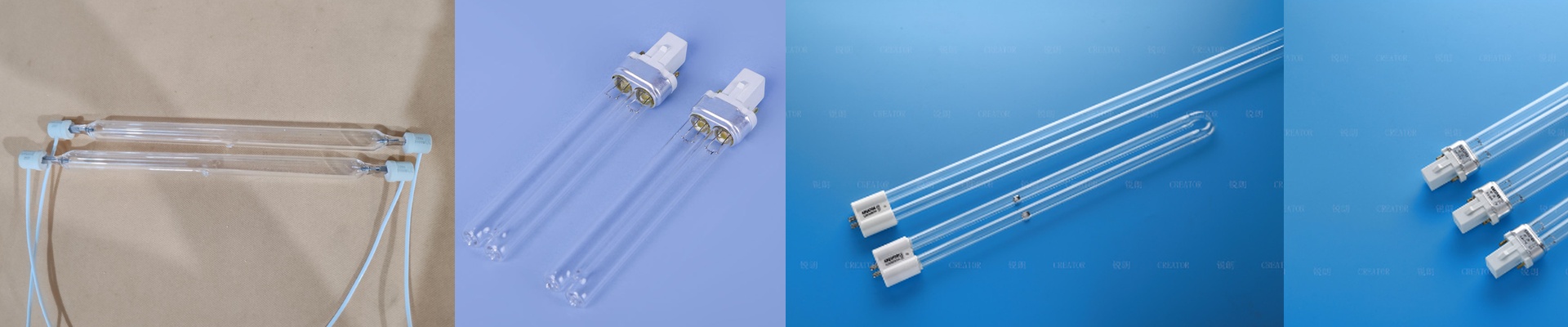
Stop Guessing if Your UV Lamps Are Actually Working
Most UV germicidal lamps are basically “blind.” You flip the switch, see a glow, and just hope for the best. You assume the UVC dose is hitting the mark until someone happens to notice a burnt-out tube or a failing ballast. It’s a lot of guesswork, and in this business, guesswork is a risk we shouldn’t take. We’re changing that by adding remote energy monitoring. No more crossing your fingers.
Watching the Power, Not the Calendar
Here’s how it works: we’ve put current sensors and voltage monitors right into the driver circuit. Instead of guessing when a lamp is dying, we just watch the power draw in real-time. When the wattage starts to dip, it’s usually a sign that the electrodes are wearing out or there’s a gas leak. That data goes straight to a dashboard. Now, you can plan your maintenance based on how the lamp is actually performing, rather than just following a date on a calendar. It’s a much smarter way to handle things.
The Hardware Headache
Adding IoT modules to a UV system isn’t as simple as plugging in a smart bulb. You’re dealing with high-voltage strikes that can fry a circuit board in a heartbeat. We spent a lot of time making sure the monitoring side of things is completely isolated from the high-voltage section. The hardware has to be tough enough to handle that initial surge without tripping the sensors. You need a system that knows the difference between a cold start and a genuine failure.
The Trade-offs
Look, nothing is perfect. Adding this tech makes the ballast a bit bigger and bumps up the cost per unit. Plus, you’re now relying on your network. If the Wi-Fi goes down, your real-time data disappears. But we didn’t want a network glitch to stop your disinfection process. That’s why we built in a local fail-safe. The lamp keeps running on its own internal timer even if the connection drops. You might lose the logs for a few minutes, but the room stays clean. That’s the part that actually matters.