Why UV Curing is a Lifesaver for Textile Automation
Think about the journey from a roll of raw fabric to a finished shirt. A lot happens behind the scenes, but UV curing lamps are the real unsung heroes here. They handle all the chemical bonding and surface treatments that actually hold everything together. The best part? We can finally ditch those massive, slow thermal ovens. Instead of waiting around for heat to dry things out, we use polymerization. It happens almost instantly.
Getting the Power Right
When you’re running an automated line, consistency is everything. You can’t have some spots cured and others still tacky. We usually look at the mW/cm² hitting the fabric to make sure it’s just right. Now, it’s tempting to just crank up the wattage to speed up the conveyor belt and get more product out the door. But here’s the catch: more power means more heat. If you aren’t careful, you’ll scorch your synthetic fibers. It’s a delicate balance. You have to play with the lamp output and the line speed so the fabric doesn’t warp or melt.
The Gear and the Setup
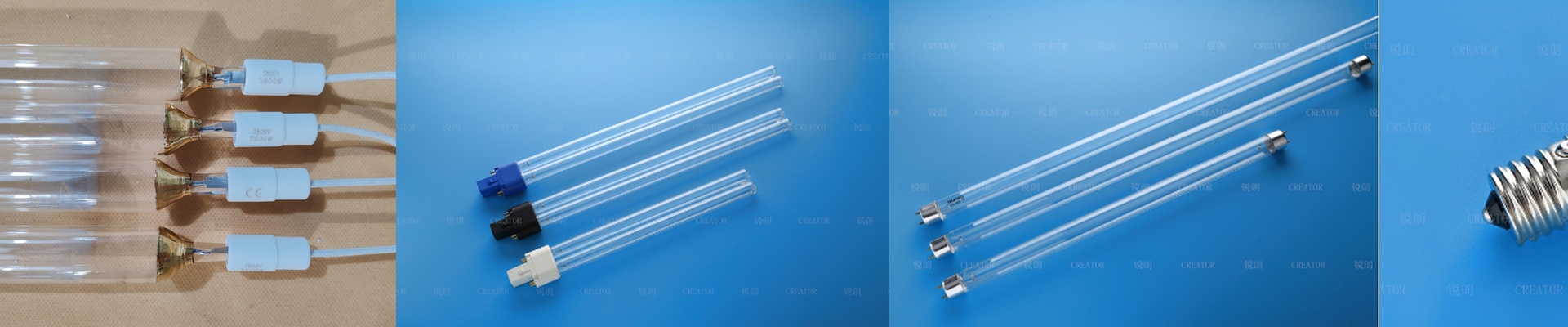
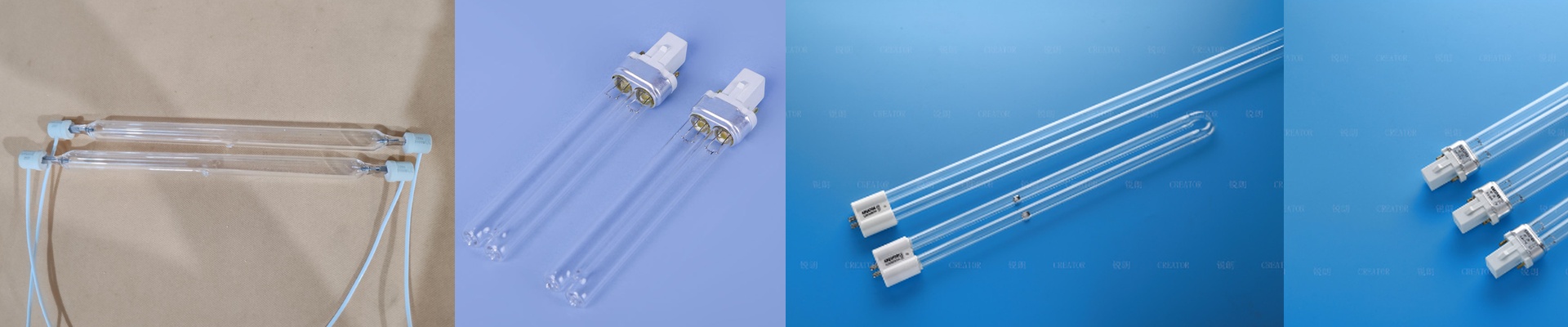
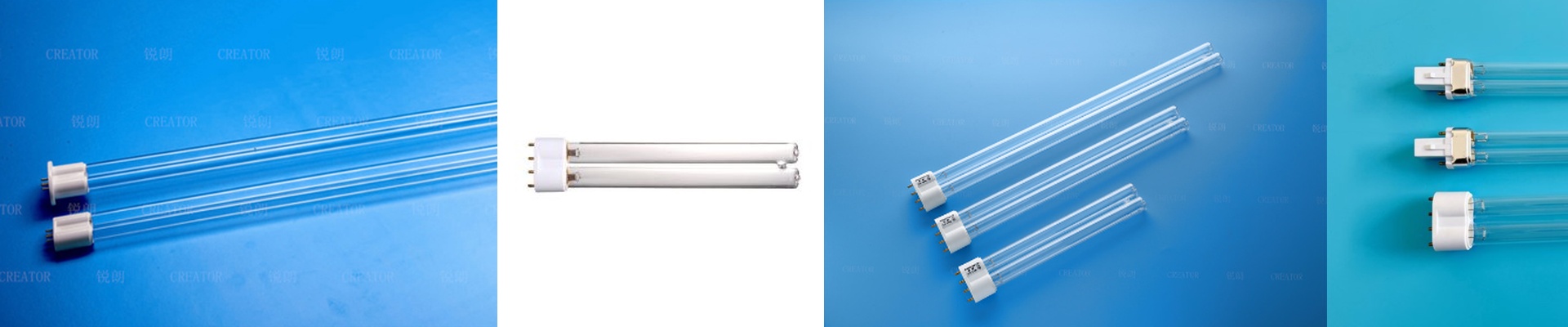
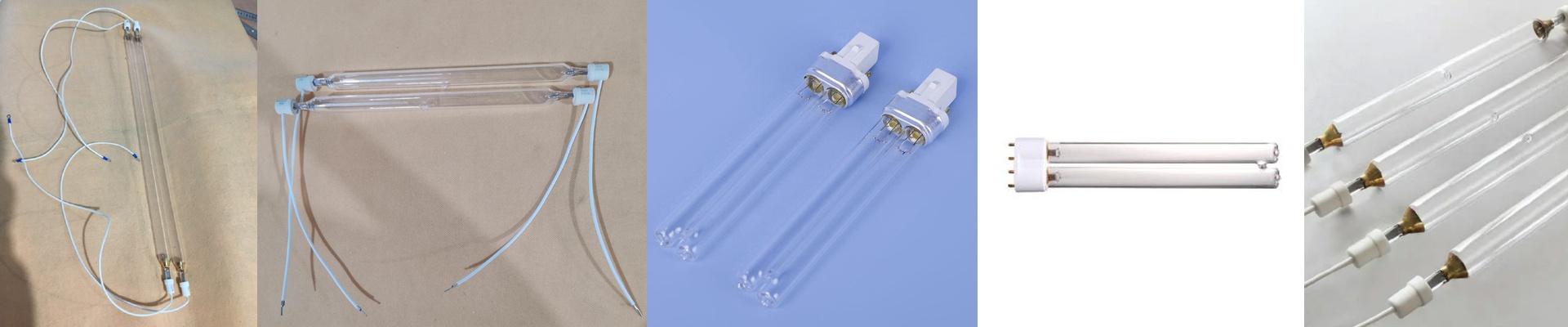
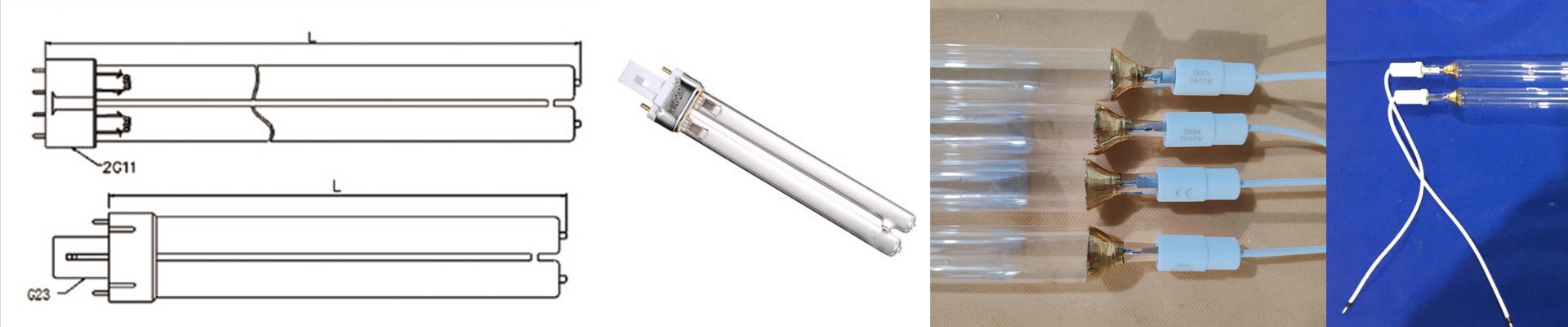
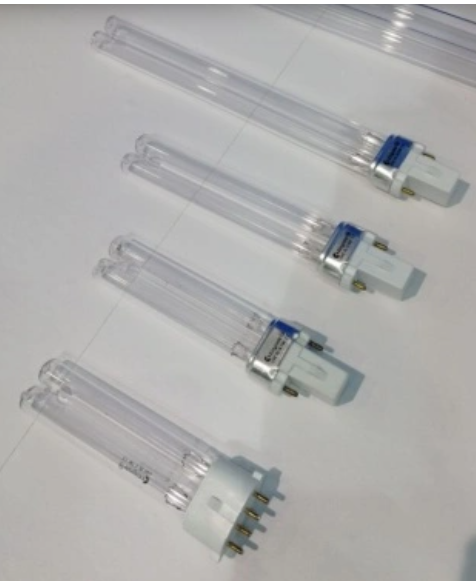
Depending on the job, we usually go with either mercury-vapor or LED sources. Either way, we tuck them into shielded housings. Why? Because nobody wants to be staring directly into UV light. The wiring can be a bit finicky, too. You need it to handle high-frequency ballast loads without causing interference elsewhere in the shop. When we’re swapping out old gear for new, we focus on two things: how much space it takes up and how it stays cool. Air-cooled systems are great because they’re a breeze to install. But if you’re working with thick adhesives or heavy coatings that need a massive burst of energy, you’ll want water-cooled jackets. That’s the only way to get the intensity you need without frying the fabric.
Where This Actually Happens
In a real production chain, these lamps basically do three things: ***Ink Curing:**It dries digital prints on the spot. No smudging, no mess. ***Coatings:**It locks in those waterproof or flame-retardant layers. ***Adhesives:**It bonds seams or sets heat-transfer vinyls instantly. The biggest win here is the space. You can get rid of those 20-meter drying tunnels that eat up half your floor plan. Your energy bills drop, your turnaround is faster, and your factory feels a lot less crowded—as long as your cooling system can handle the heat the lamps kick out.