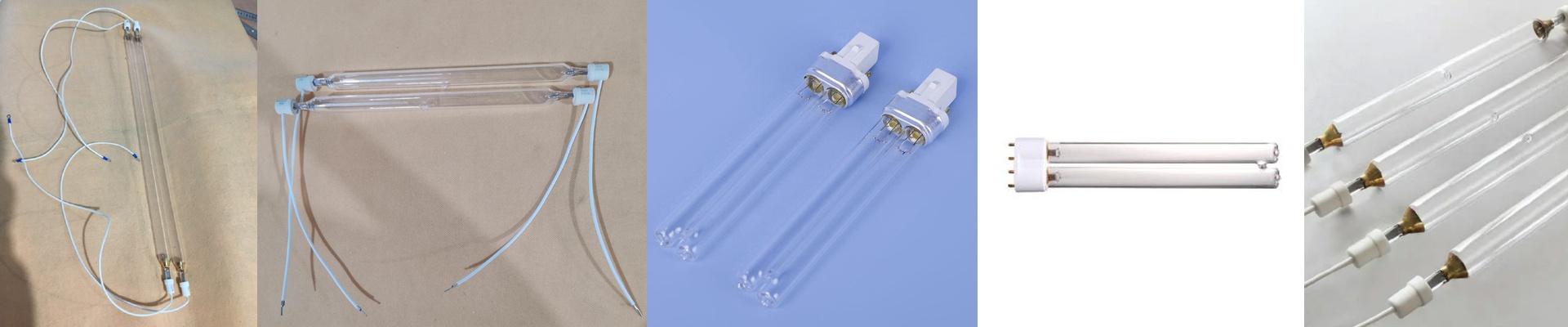
Why We Changed How We Build UV Lamps for Printing
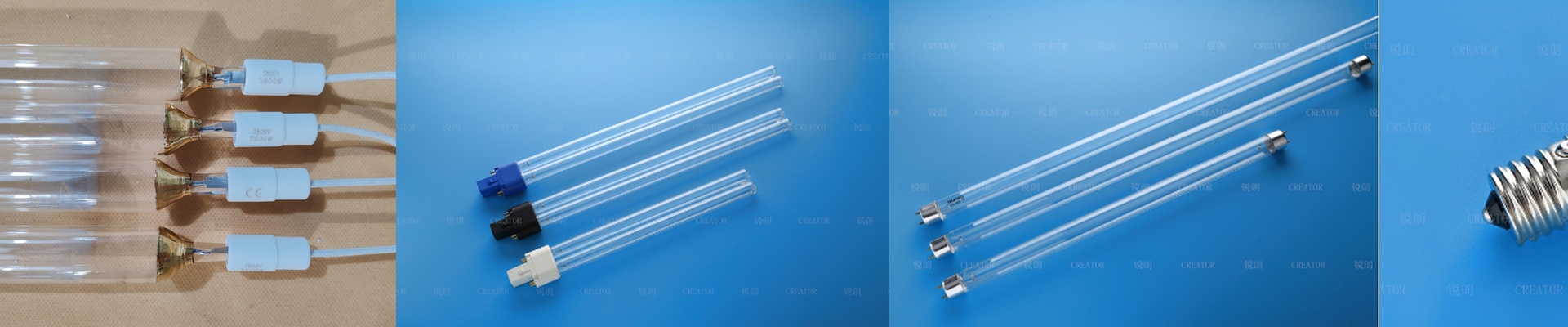
After walking through 3,000 different printing plants, we noticed something frustrating. There’s a huge gap between a lamp that looks great in a lab and one that actually survives a Tuesday morning on a loud, messy production floor. Most of the time, lamps fail because they aren’t built for the actual speed of the line or the specific chemistry of the ink. That’s why we started leaning into Gallium Iodide (GaI) technology. We needed something that could actually handle modern, thick-film inks.
Getting the Light to Stick
Here’s the deal with GaI lamps: they shift the light toward longer wavelengths. Why does that matter? Because it lets the UV light punch deeper into the ink. If you’re running dense varnishes or those heavy white pigments, a standard lamp usually just “skins” the top. You think it’s dry, but the bottom is still wet and tacky. GaI fixes that. It cures the whole layer, all the way through. Now, we build these for high power density, which means you can crank up your line speed. But there’s a catch. These things gethot. If your cooling blowers aren’t up to the task, you’re going to end up warping your substrate or burning the edges of your media.
Built for the Shop Floor, Not a Lab
We decided to stop over-engineering the housings. No more overly complex shells. We moved to a simpler footprint because, at the end of the day, nobody wants to spend an hour fighting with a lamp housing when they’re just trying to swap a bulb and get back to work. We spent most of our time obsessing over the electrode geometry. We used heavy-duty materials to stop the ends of the tubes from burning out too early. In a shop with a lot of vibration, the arc inside the lamp can get jumpy. That instability kills the lamp. By stabilizing that arc, the bulbs last longer and the light stays consistent across the entire width of the web. No dead spots. No surprises.
A Few Real-World Warnings
You can’t just plug these into any old ballast and hope for the best. The impedance has to match the GaI chemistry. If it doesn’t, you’ll deal with flickering or electrodes that overheat and fry. Before you upgrade your array, do yourself a favor: check your current draw and make sure you have enough thermal headroom. It saves a lot of headaches later.