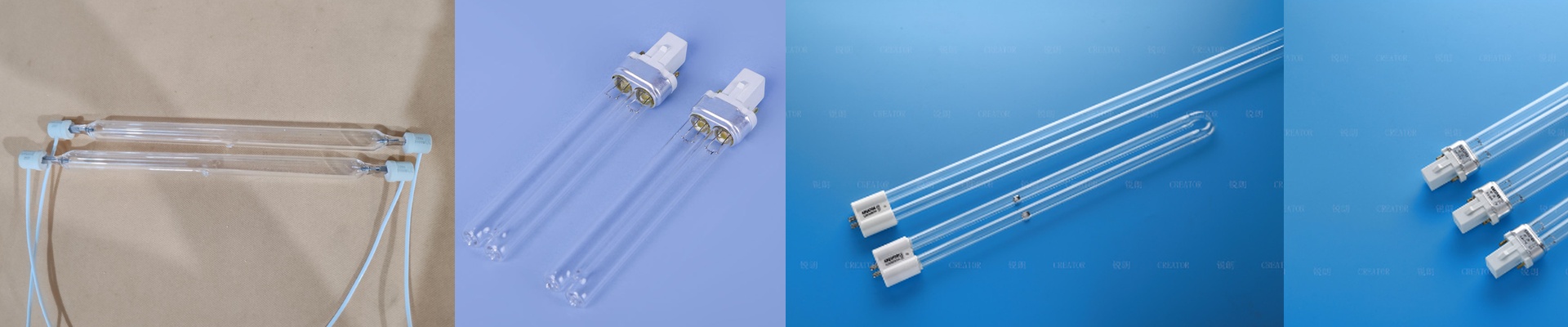
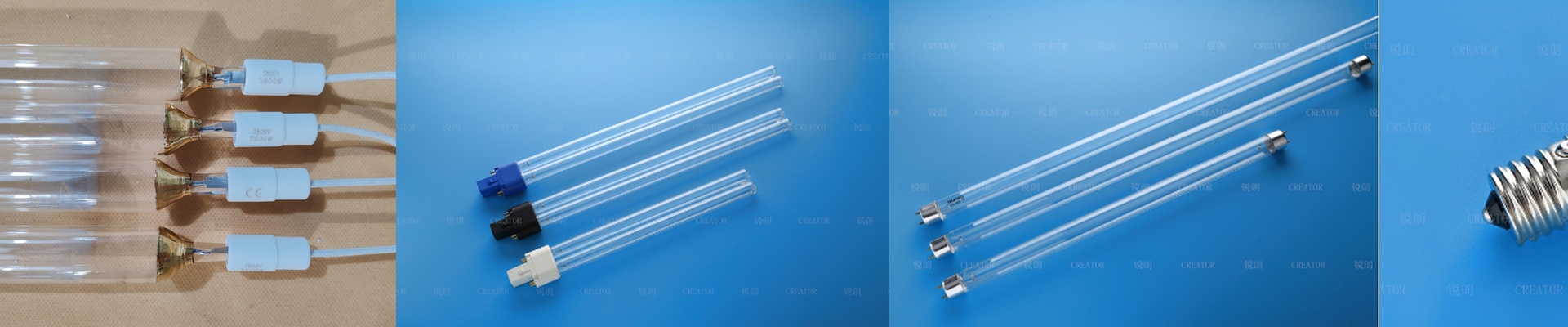
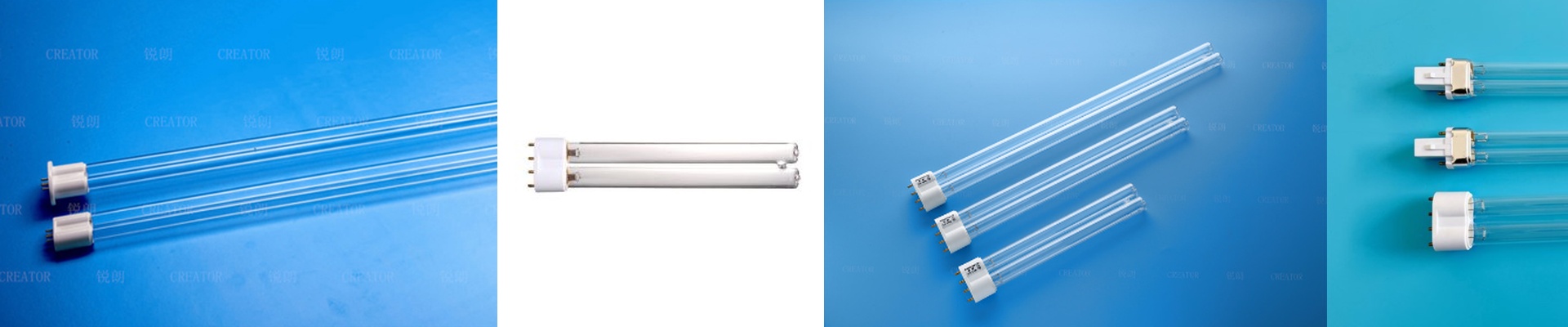
The Truth About Industrial UV Lamps
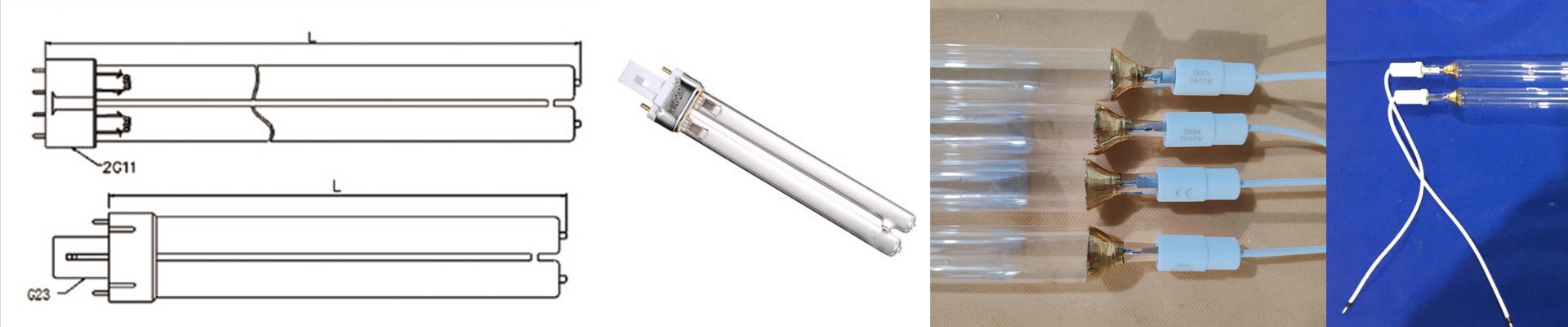
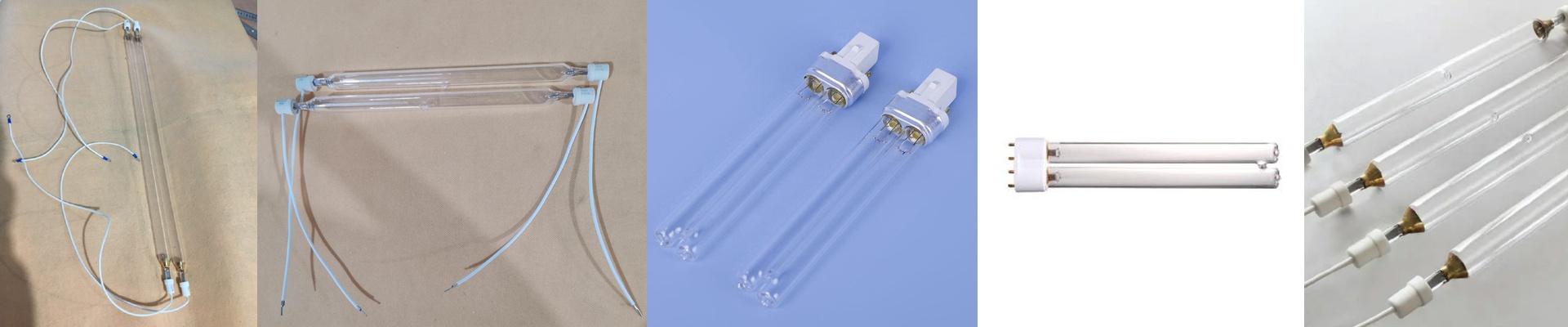
We’ve walked the floors of about 3,000 printing plants. If there’s one thing we’ve noticed, it’s that most shops are fighting a losing battle with their UV lamps. They either burn out way too fast or just leak heat and waste power. The problem is that most people just buy generic tubes. But your shop floor isn’t generic. You need a setup that actually fits your footprint and your power load. Let’s talk about power. The goal is simple: get as much UVC output (that 253.7nm sweet spot) as possible without wasting energy on infrared heat. Now, you might think “more wattage equals better,” but it’s a balancing act. If you cram too much wattage into a short tube, you’re putting a ton of stress on the quartz. Do that without upgrading your ballast? You’re basically inviting the lamp to die early. Then there’s the glass. We use high-transmittance fused quartz. Why? Because you don’t want the glass absorbing the very radiation it’s supposed to be pushing out. But here’s the real-world problem: ink mist and dust. In a printing plant, that stuff settles on the tubes. It creates “hot spots” where the glass gets too hot and eventually cracks. We’ve found that certain coatings help repel that grime, but honestly? Nothing beats a strict cleaning schedule if you want to keep your output where it needs to be. Making it actually work in your shop. We designed these to be drop-in replacements. We kept the pin configurations standard so you aren’t spending your whole afternoon messing with wiring. But I have to be honest about the trade-off. These energy-saving lamps are picky. They need steady voltage. If your plant’s power grid is shaky or you’re running them through a cheap transformer, they’ll flicker. Or worse, they’ll just fail. We build the hardware to be rock solid, but it can only do so much if the electricity feeding it is messy. You need a stable power supply to actually see those energy savings hit your bottom line.