Beyond Just Curing: How Light Energy is Powering the Factories of Tomorrow
Let’s talk about where things are headed in 2026. The conversation around UV lamps is changing—fast. It’s not just about setting a resin anymore. Now, it’s about weaving high-precision light energy right into the heartbeat of an automated factory. We’re talking about moving from a simple part to a system that has to be tough, powerful, and smart enough to fit into the big picture.
The Power Behind the Process
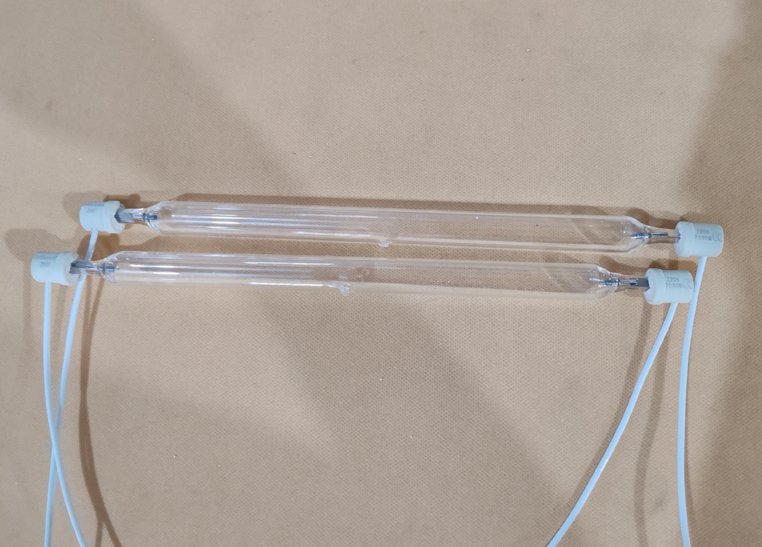
Here’s the thing about our industrial UV lamps: they’re built for serious power. We’re talking high voltage, often hitting 400V. Why? Because that’s what it takes to deliver the intense energy needed for a deep cure, even on a line that’s moving at lightning speed. This isn’t some arbitrary number. It’s how we pack up to 2500W of power into a package that’s still compact. And those dimensions, like the 300mm tube length? That’s a careful balance. We need enough surface area for maximum UV output, but it has to fit into what you already have. The goal is simple: make it a straightforward swap-in, so your maintenance team can get it done without a full factory overhaul.
What’s Inside Matters
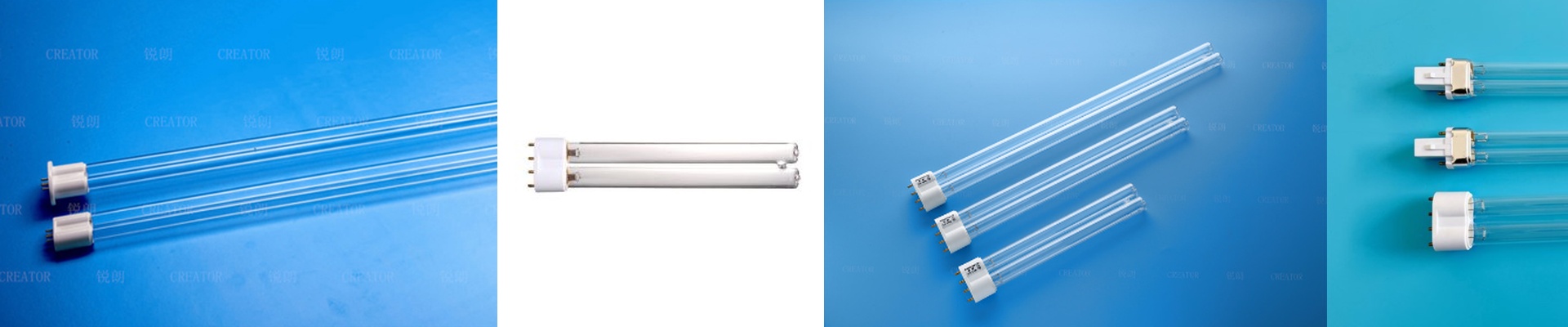
At the core, we’re using halogen technology, all tucked inside a high-purity quartz envelope. The quartz is there because it can take the heat—literally. It handles the shock of turning on and off again and again. Meanwhile, the halogen cycle keeps the filament clean, which means the lamp just keeps going and going. Then there’s the R7s connector. It’s more than just a plug. It’s a solid, two-pin ceramic connection built for high current and a rock-solid fit. It holds tight against the vibrations of the production floor, so you don’t have to worry about it arcing or failing.
Built for the Real World
This whole setup is designed for the shop floor, not a showroom. That high power density means you get fast, consistent curing. The kind that keeps your cycle times tight and your production moving. Plus, the R7s base and standardized size mean your team can swap out a lamp in minutes, not hours. But let’s be real—that 2500W of power generates a lot of heat. So your machine’s cooling system needs to be up to the task. When the whole system is designed to handle that, you get a solution that’s reliable, powerful, and keeps your process humming along.