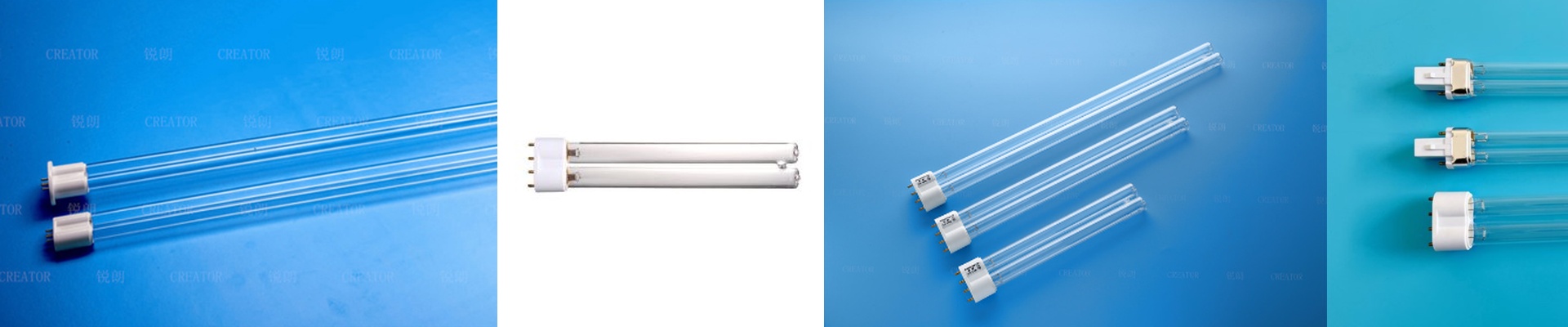
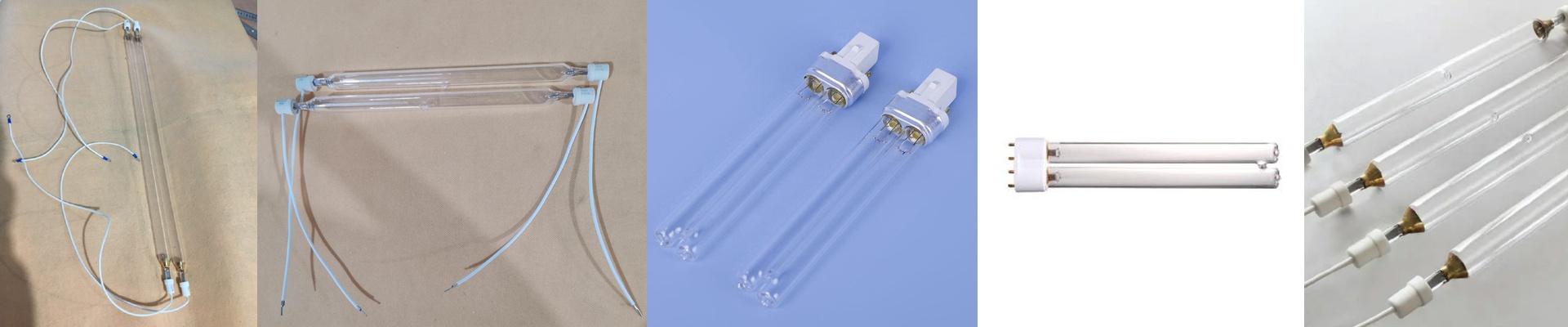
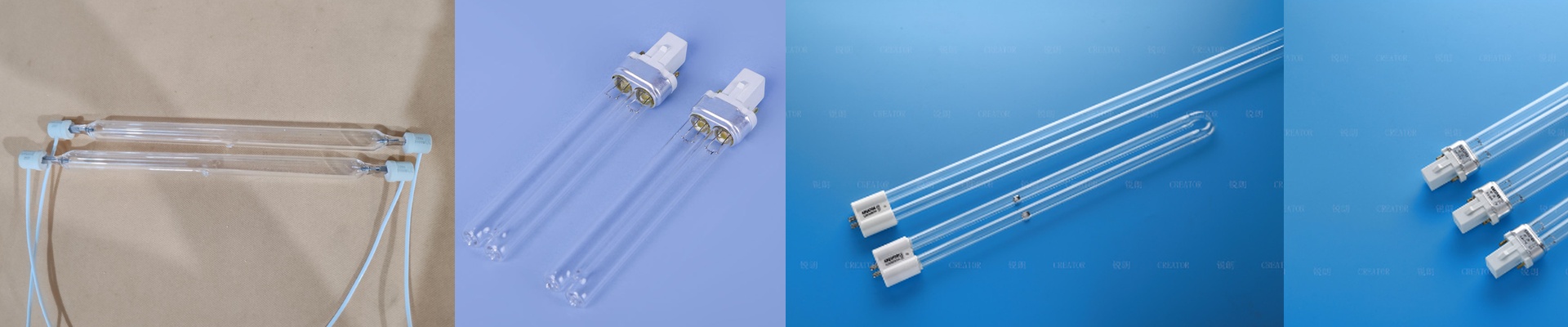
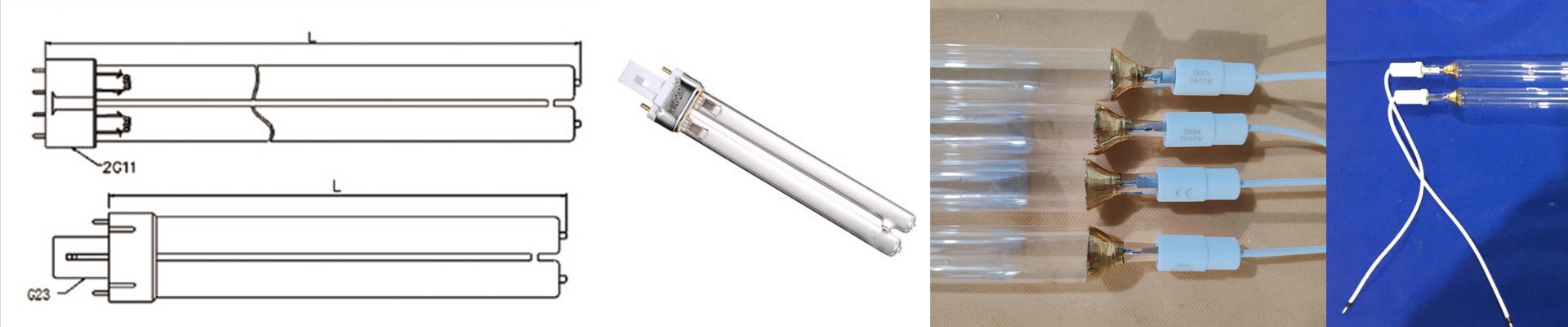
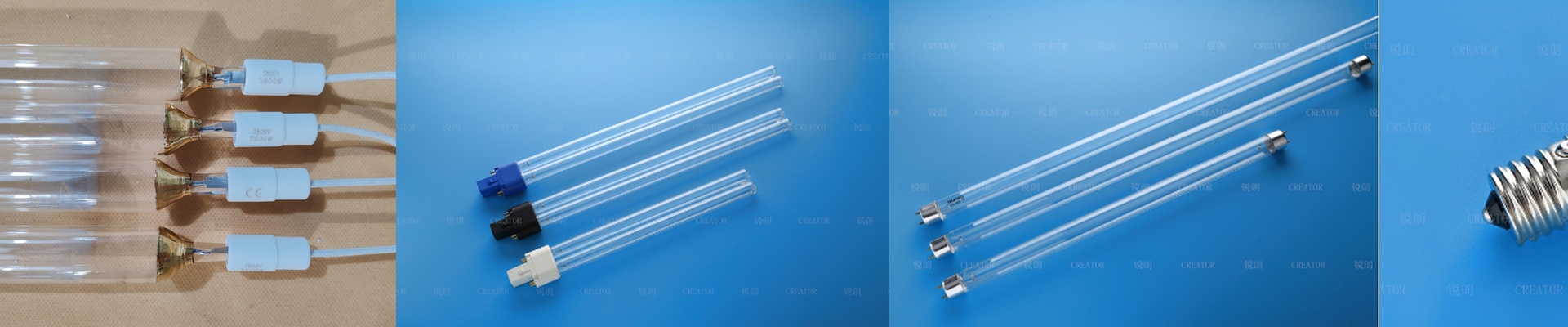
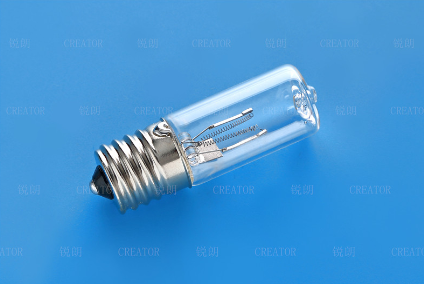
Mismatched UV lamps on the floor quietly eat away at your margins. You see it in line speeds that won’t climb, ink that stays tacky, and power bills that never seem to drop. The root of the problem usually comes down to spectral output. UVA, UVB, and UVC aren’t interchangeable—they’re distinct tools, each with a specific job in how the photoinitiator drives cross-linking. What matters technically UVA lamps, centered around 365 nm, drive deep into pigmented inks and cure from the bottom up. UVB, peaking near 280 nm, is absorbed at the surface and gives you a fast skin-cure that fights oxygen inhibition. UVC at 254 nm is high-energy and great for sterilization, but it’s rarely used for ink curing—more often, it’s for surface treatment work. Wavelength is only part of it. You have to match peak irradiance, measured in W/cm², to the ink’s photoinitiator absorption profile. And you need stable output, verified with a spectral radiometer, so cross-linking stays consistent across the whole substrate. Why it plays out this way on press In textile and industrial printing, the wrong lamp profile will stall the job. We design lamps around delivering the right spectral output, so your curing window lines up with your line speed. That lets you run at the highest speed you can without giving up cure depth or surface finish. The payoff is straightforward: higher throughput, lower energy per unit, and fewer rejects. What you need to watch on install You have to match the lamp’s arc length and reflector geometry to the curing module you’re running. If you’re dropping a new lamp into an older system, you may need to recalibrate the power supply to match the lamp’s operating curve. And always confirm compatibility with the printer’s power and cooling specs—otherwise you’re setting yourself up for premature lamp failure.