Why UV Curing is the Unsung Hero of Your Textile Line
When you look at a finished garment, you don’t see the UV lamps. But they’re there, doing the heavy lifting behind the scenes to make sure chemicals actually bond and finishes stay put. We don’t just sell you a bulb and wish you luck. We help you build a system that actually works—whether you’re setting ink on polyester or applying high-tech coatings to performance fabrics.
Getting the Tech Right
Here’s the thing about textile lines: you can’t just wing it. You need a very specific wavelength to trigger the dyes and resins. If your conveyor is flying, you need more punch. If the intensity is too low, you end up with “under-cure.” That’s the nightmare scenario where your ink stays tacky to the touch. Not a great look for a finished product. To fix this, we play around with the wattage and tube length. We also build these to handle those annoying industrial voltage swings. By using a higher voltage setup, we make sure the ends of the lamp are hitting just as hard as the center. No dead spots.
The Nitty-Gritty of Design
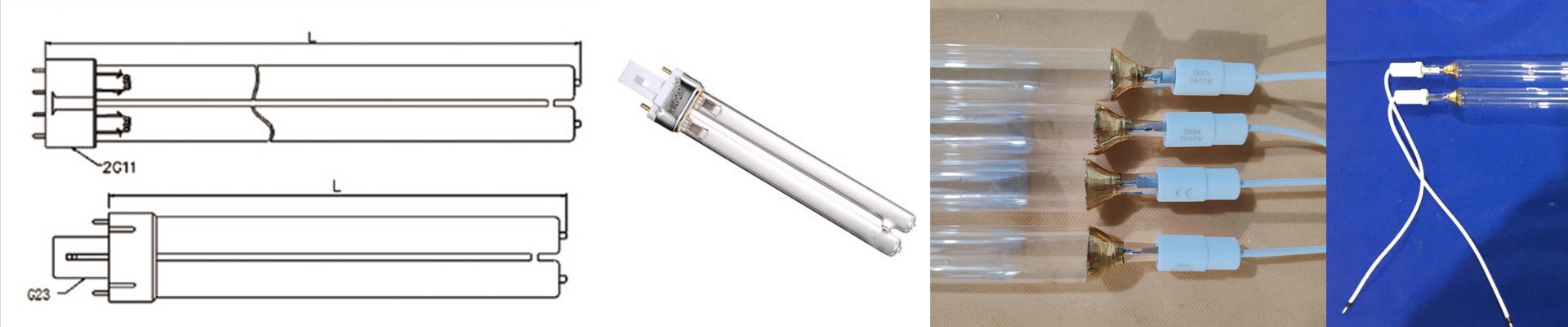
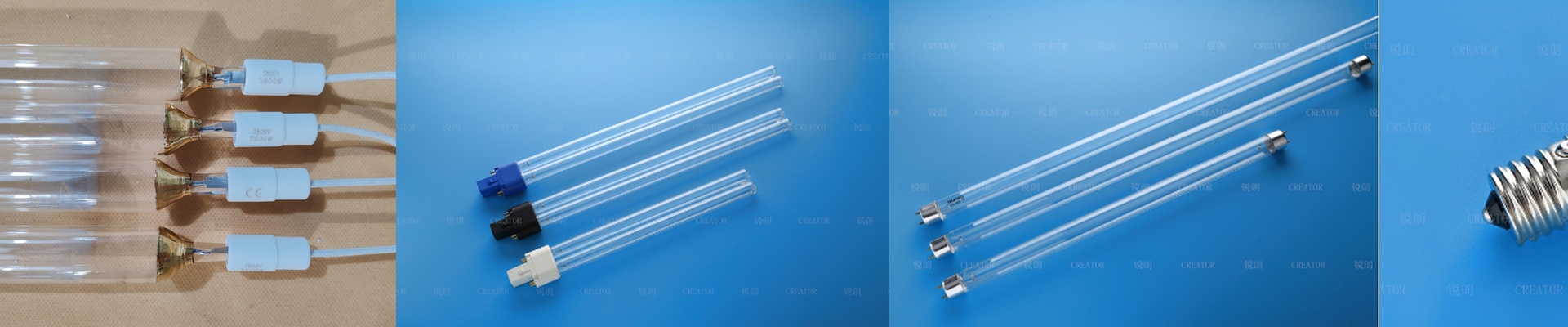
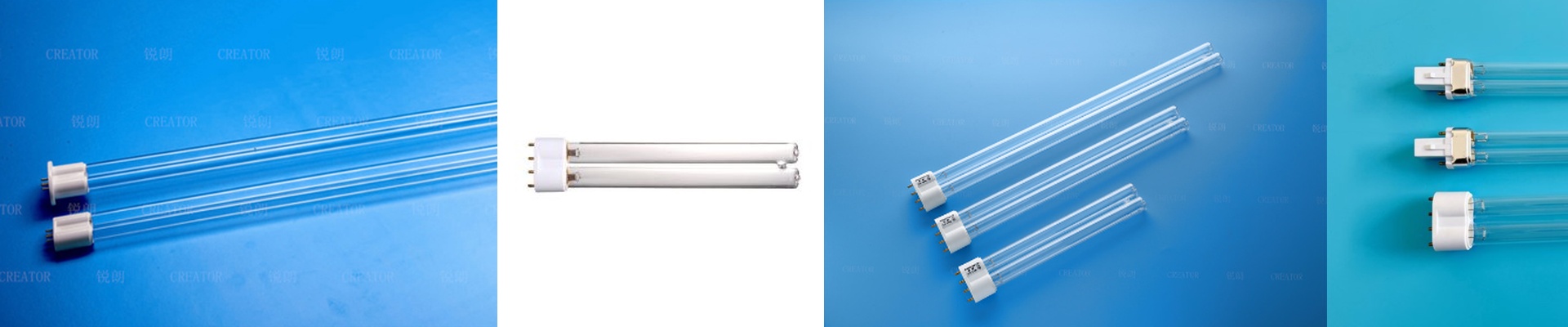
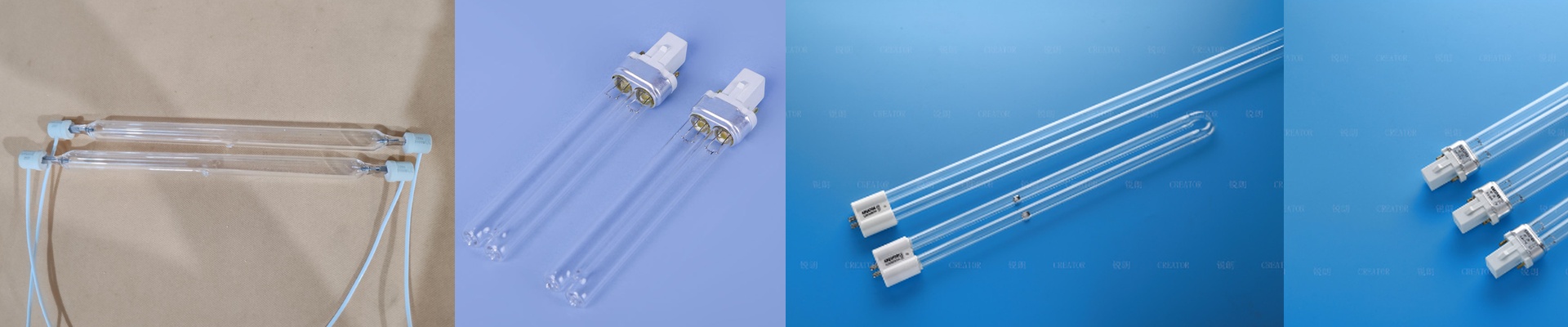
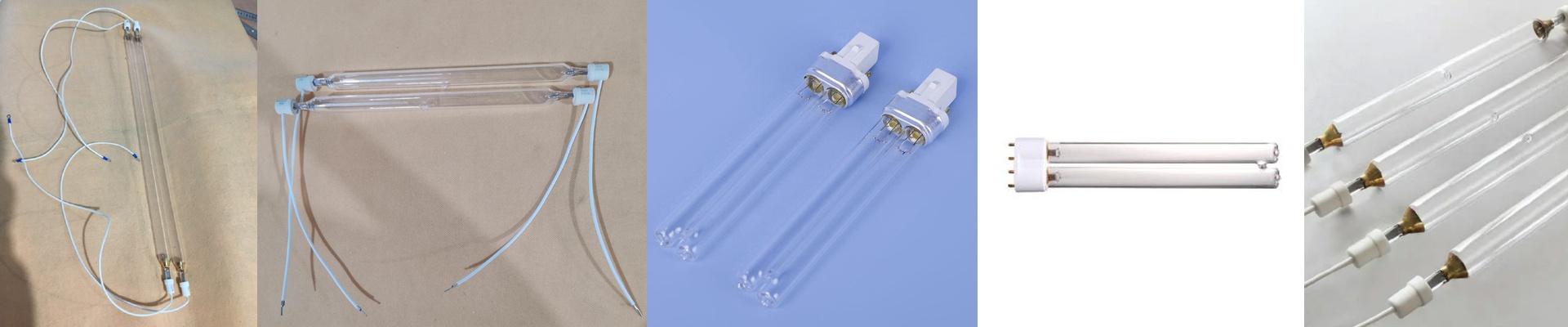
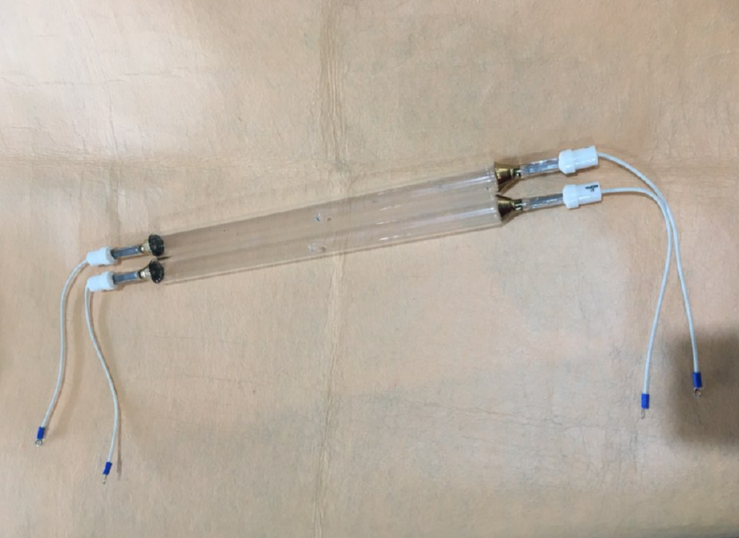
We use high-purity quartz glass because it lets the most UV light through. Sometimes we dope or coat the tubes if you need to shift the light toward the UVC or UVA range. And let’s talk about the connectors. Nothing kills a mood like hours of downtime because a lamp burned out. We use standard bases so your maintenance team can just pop a new one in and get back to work. No rewiring, no headaches. Just a quick swap.
The Reality Check: Heat vs. Speed
It’s tempting to just crank up the power to cure things faster. But there’s a catch. Heat. If you push a lamp too hard, you risk scorching the fabric or melting the polymer. It’s a balancing act. You have to weigh your UV intensity against your cooling fans or chilled air. If your cooling is weak, your lamps are going to burn out way too fast. We design our footprints with plenty of room for airflow. That keeps the temperature steady, even when you’re running 24/7.