The Real Work Behind High-Output UV Lamps
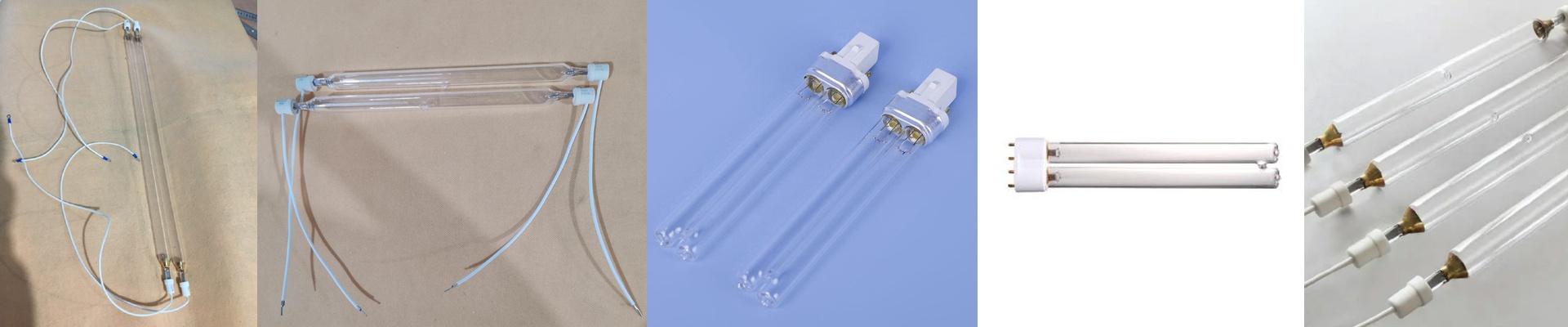
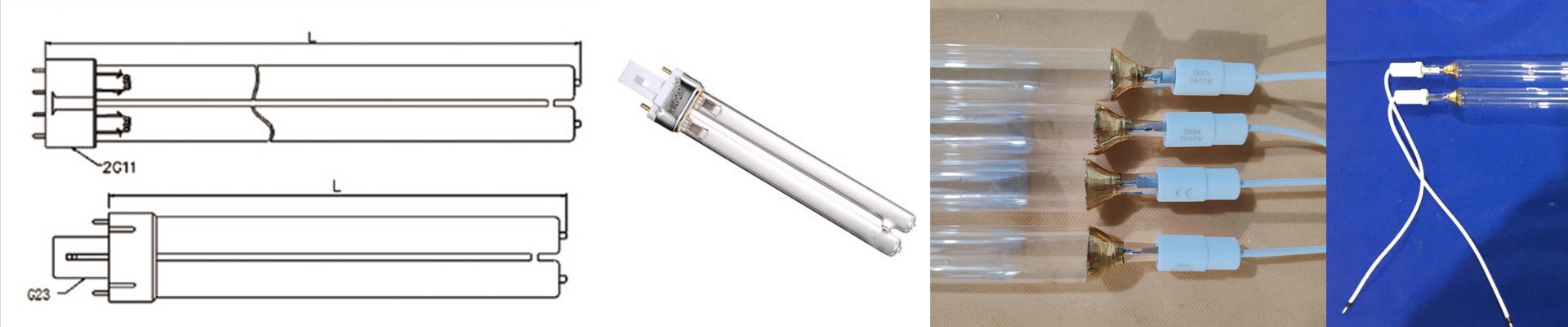
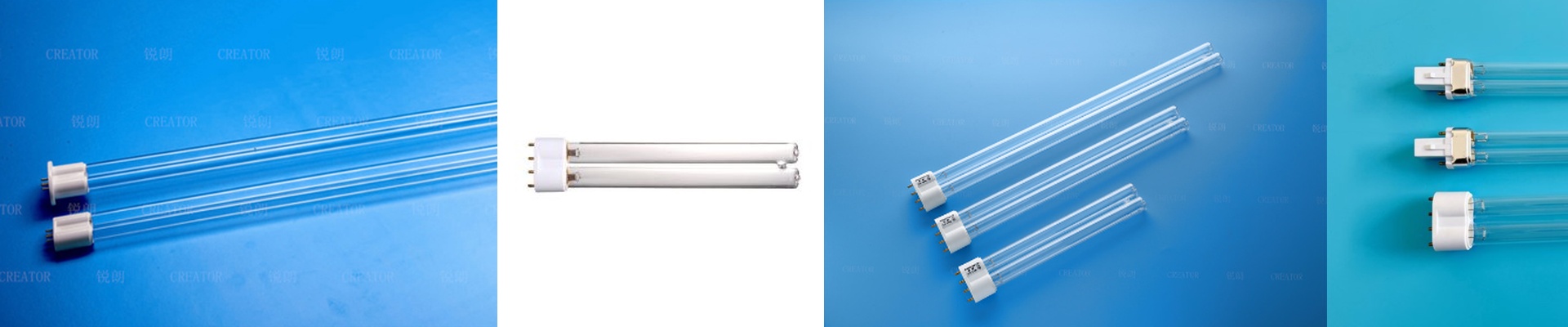
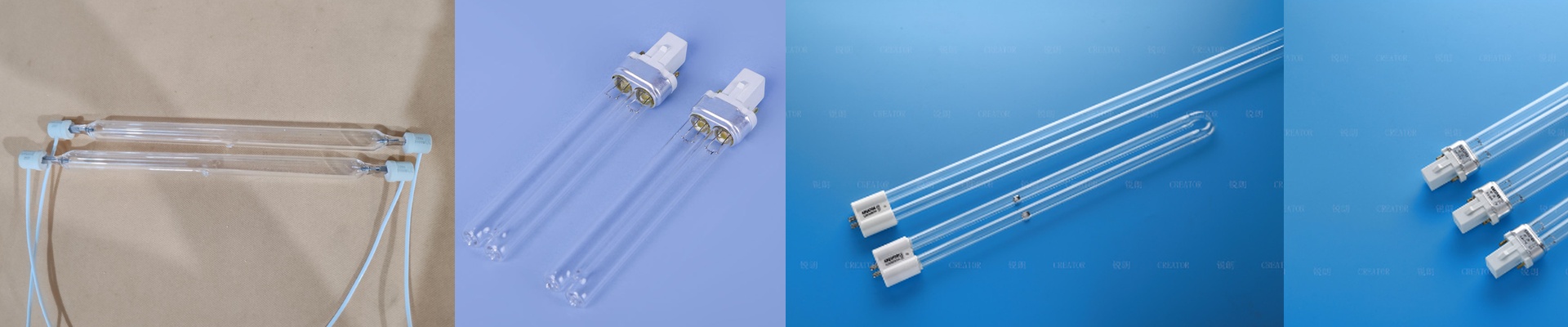
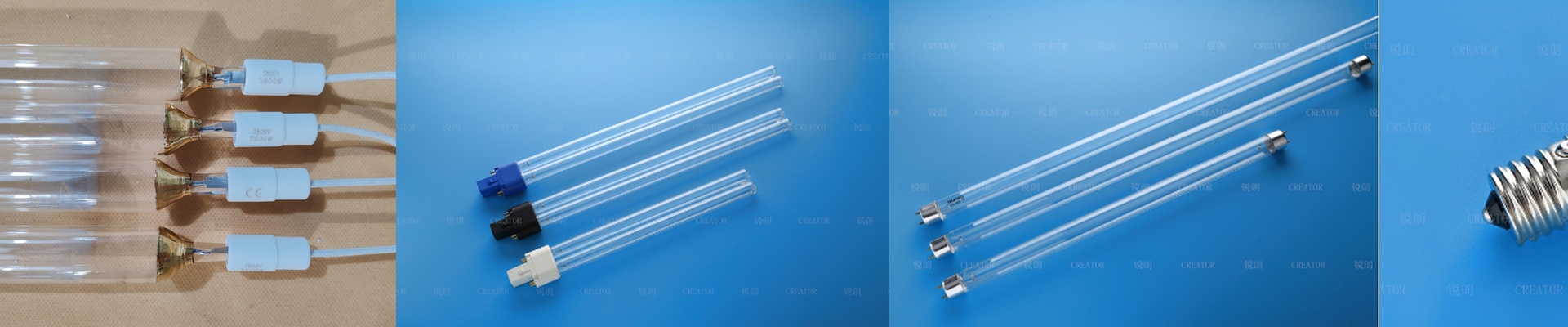
We spent 15 years figuring this out. We started with basic white-label assembly, but we eventually realized that for an OEM, a UV lamp is way more than just a bulb. It’s the spark that starts a chemical reaction. If the spectral output drifts even a tiny bit? Your whole curing line just stops working. Dealing with Heat and Power Here’s the thing about industrial UV: it’s a constant tug-of-war between wattage and tube length. We spec our lamps to make sure the light hits the substrate evenly, every single time. Now, high-wattage density is great because it cures things fast. But it puts a massive amount of stress on the quartz. You can’t ignore that. If you try to cram maximum power into a tiny space, your cooling fans or water-jackets need to be up to the task. Otherwise, you’re just looking at a burnt-out filament. The Stuff That Actually Matters We use high-purity fused quartz. Why? Because cheap glass blocks the shortwave radiation you actually need to get that polymerization happening. And we don’t mess around with the electrical side. We stick to standard connectors like R7s or Sk15. It’s not just about making it easy to plug in. It’s about getting a gas-tight seal and a connection that won’t arc when the voltage spikes. I’ve seen way too many “budget” lamps die because the end-cap leaked, let in a bit of oxygen, and killed the arc instantly. Making it Work on Your Line Our goal is to give you a drop-in replacement. We build to your drawings so you don’t have to spend weeks redesigning your housing. We’ll give you the exact spectral data so your team can dial in the conveyor speed. It’s always a trade-off, though. If you crank up the intensity, you can speed up the belt, but your lamps won’t last as long. We’ll help you find that sweet spot where you’re moving a ton of product without spending all your time replacing bulbs.