Getting the Most Out of Your Mercury UV Lamps for Textile Printing
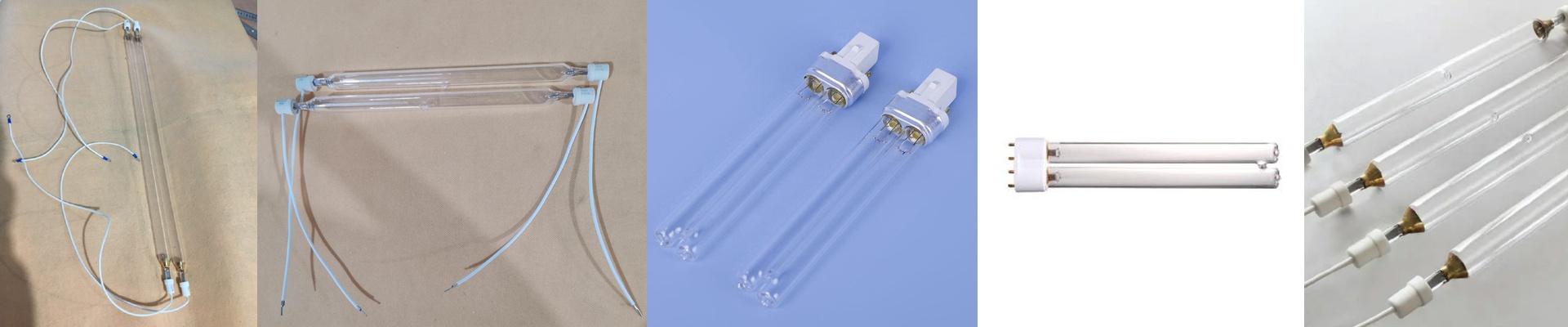
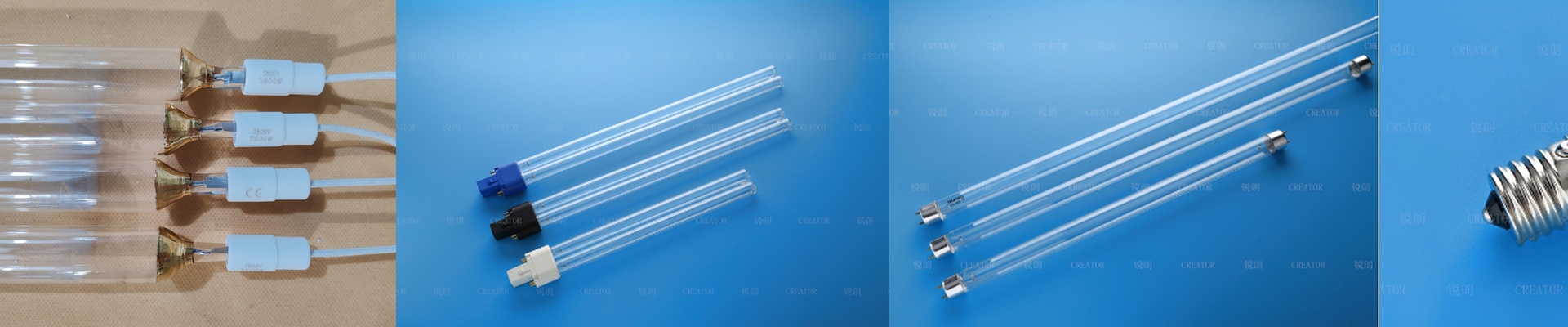
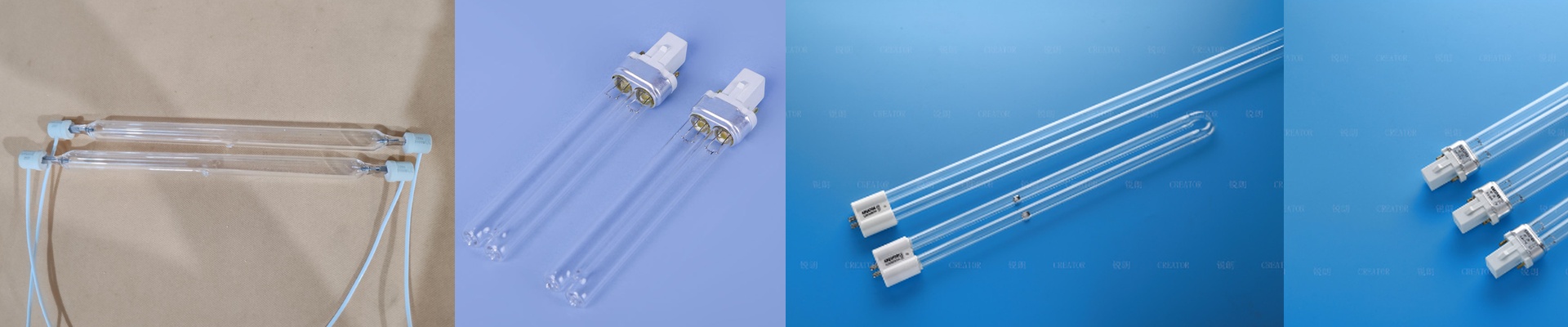
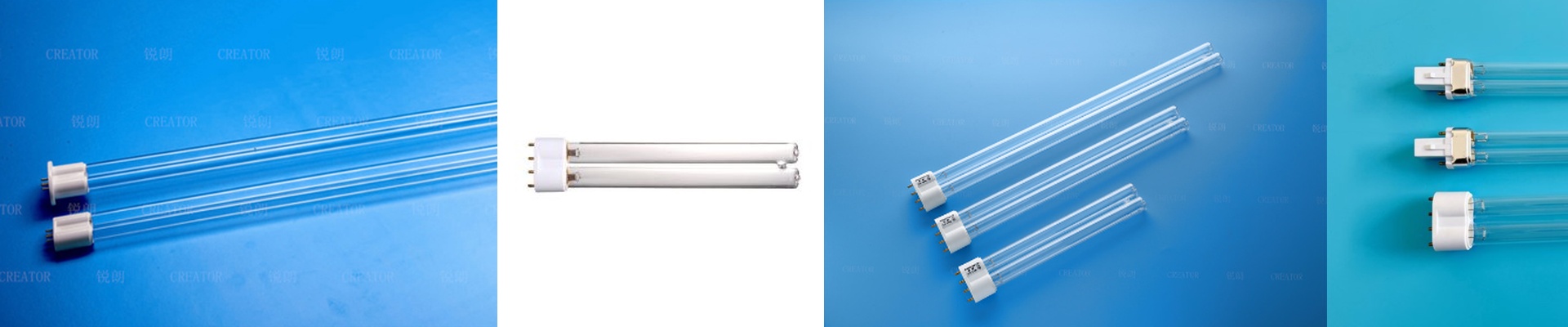
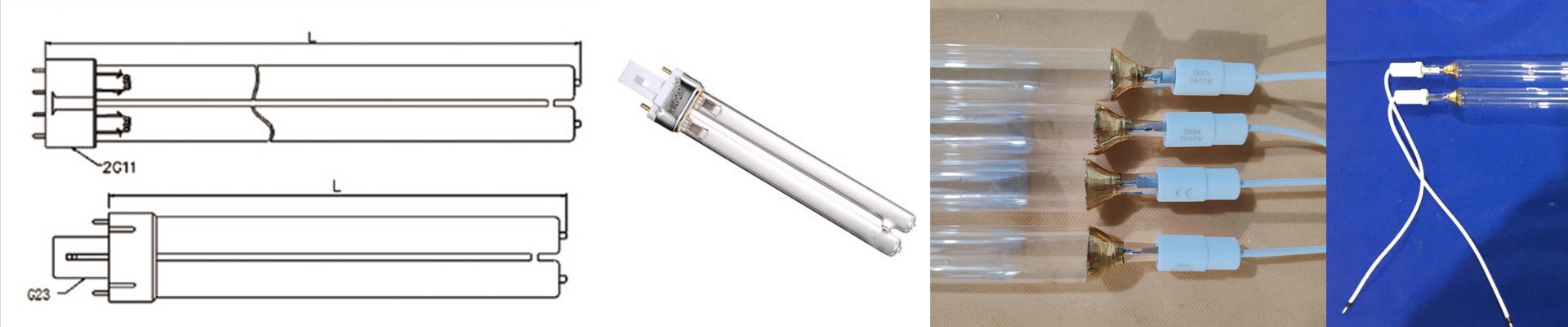
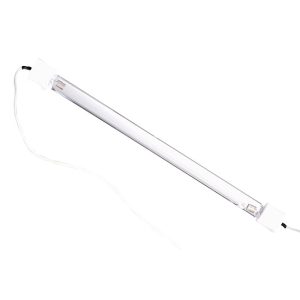
If you’re printing on fabric, you know the drill. You need those UV-sensitive inks to set now, or you’re looking at a smeared mess. That’s where our high-pressure mercury lamps come in. They basically blast the ink with shortwave UV radiation, turning liquid into a solid film in a heartbeat. It locks the design right into the fibers so it stays put. The Heat Struggle Here is the thing: these lamps are powerful. We build them with high wattage because, in a fast-moving production line, you don’t have time to wait around for the ink to cure. But that power comes with a catch. These bulbs gethot. Like, really hot. If you push your lamps too hard without a solid cooling setup, you’re asking for trouble. You might scorch your fabric or just burn out the bulb way too early. It’s all a balancing act between how fast your line is moving and how much heat your fans and reflectors can actually handle. Why the Glass Matters We use high-purity fused quartz for the outer shell. Why? Because regular glass would just soak up all the good stuff. Quartz lets the UV-C and UV-B wavelengths slide right through. Inside, the mercury arc creates a broad spectrum of light. This is key because your inks aren’t all the same. Some need those short waves to dry the surface quickly, while others need longer waves to sink deep into the fabric. One lamp handles both. Keeping Things Running We designed these to be simple drop-in replacements. They fit right into your existing rigs without any headache. We also spent a lot of time on the electrodes—nobody wants their lights flickering in the middle of a massive production run. But keep an eye on your hours. As these lamps age, they lose their punch. You might not notice it at first, but eventually, the ink won’t cure all the way. You’ll end up with that annoying “tacky” feel on the print. It’s much cheaper to swap out a bulb a little early than it is to throw away a whole batch of ruined fabric.