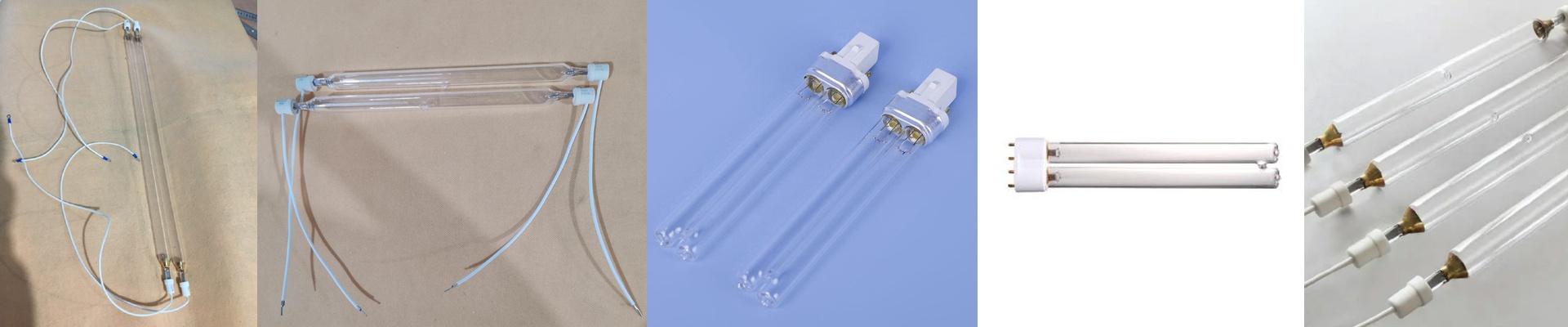
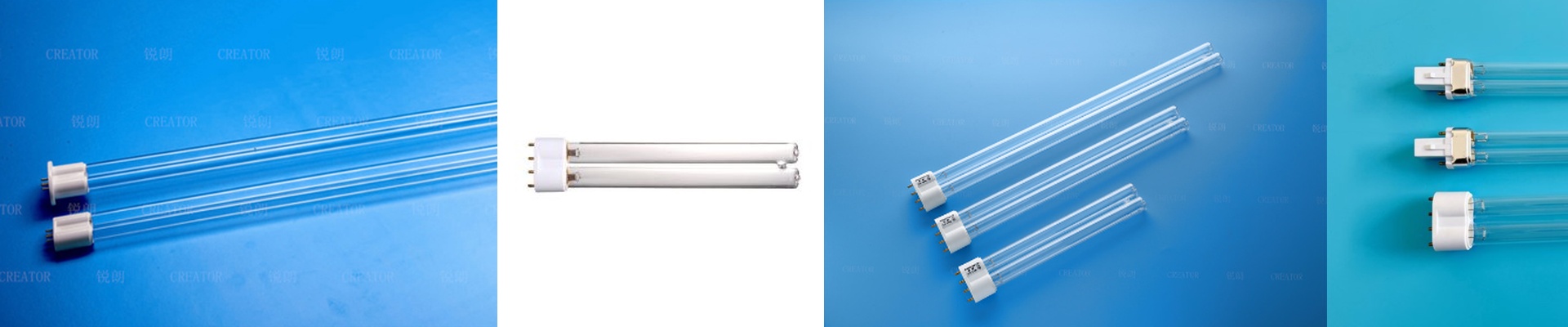
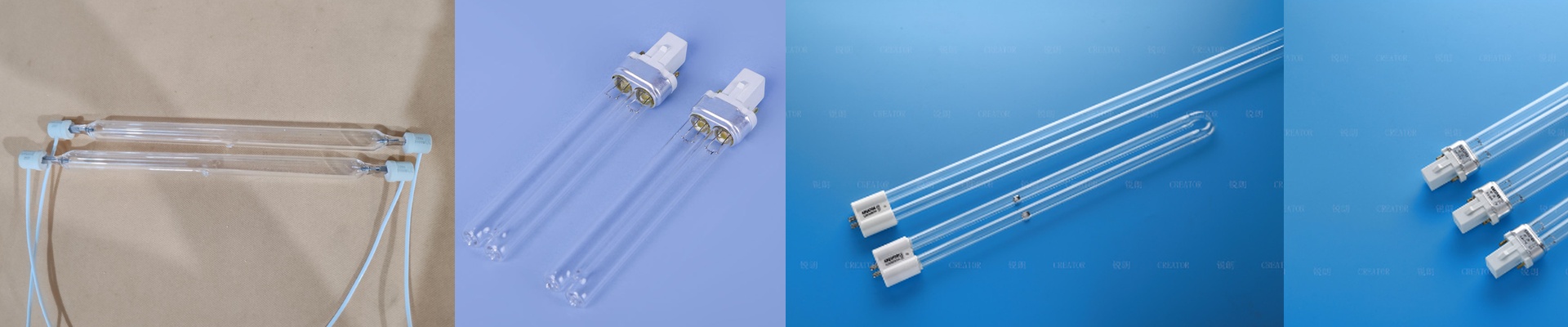
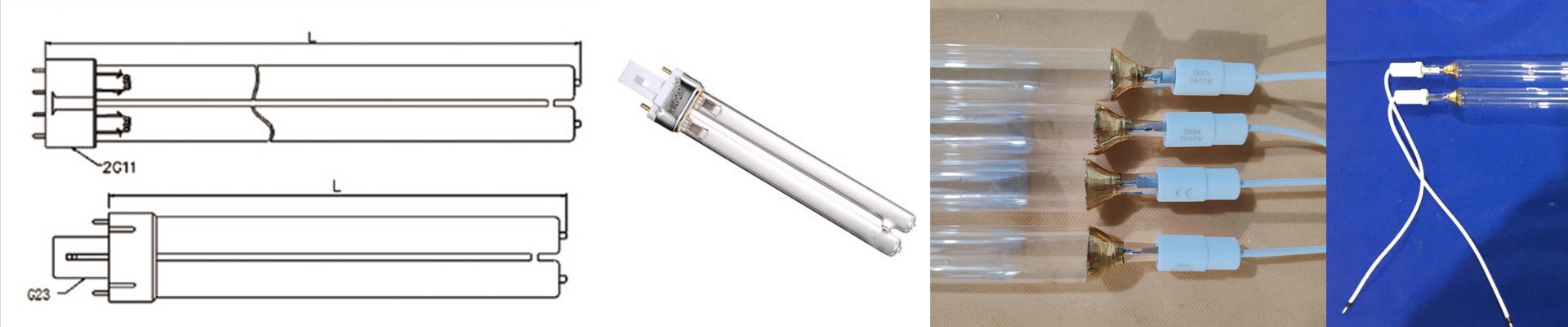
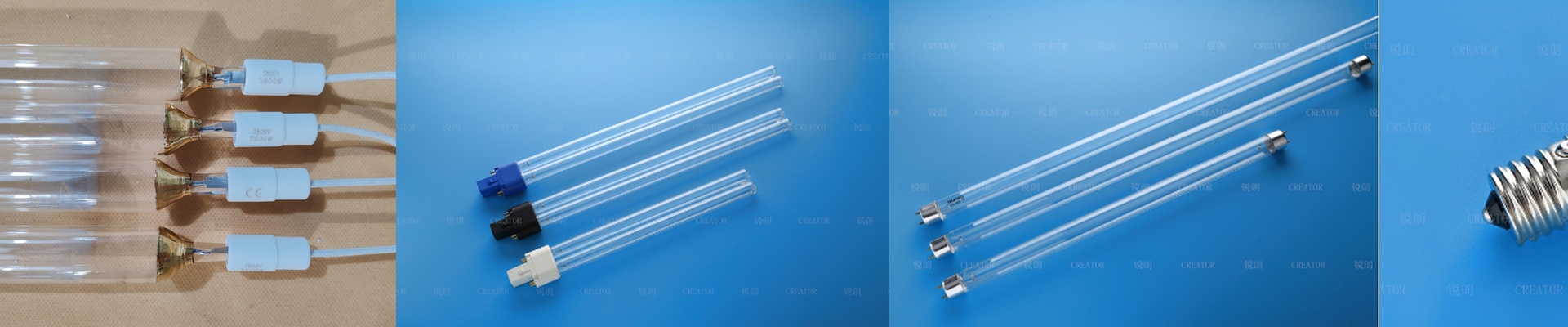
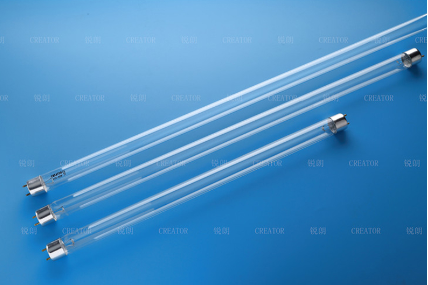
Getting More Life Out of Your Mercury UV Tubes (Without Breaking the Bank)
Let’s be honest: nobody actually likes swapping out UV lamps. It’s a chore. It stops production. And if you’re doing it every few weeks, it’s a nightmare. The way these things work is pretty simple—mercury vapor gets excited, shoots out short-wave UV radiation, and that’s what makes your inks and coatings harden. But the real trick is making sure the tube lasts long enough to actually be worth the money.
Why some tubes just die faster
It mostly comes down to the materials. If the quartz glass isn’t pure, it starts to cloud up over time. We call that solarization. Once that happens, your UV output drops and you’re fighting a losing battle. We use high-grade fused quartz to stop that clouding from happening. Plus, we’ve spent a lot of time dialing in the mercury pressure inside the tube. Why? Because a steady arc means your electrodes don’t burn out early. It just keeps running.
The “Cheap vs. Expensive” Trap
I see it all the time. You’ve got these dirt-cheap imports that die in a heartbeat, and then you’ve got the “premium” brands that charge a fortune just because they have a fancy logo on the box. We decided to do things differently. We handle everything ourselves—from picking the raw quartz to the final vacuum seal. No middlemen, no “brand tax.” You get a tube that hits industrial specs but doesn’t eat your entire budget. And the best part? They’re drop-in replacements. They just work with your current ballast and reflectors. No fuss.
The stuff that actually kills your lamps
Here is the thing: these tubes gethot. Really hot. If your cooling fans are clogged with dust or your reflectors are looking dull and oxidized, your tube is going to overheat. And when the quartz gets too hot, it fails. Period. Just make sure your cooling system can actually handle the wattage you’re pushing. One last tip: we calibrate our tubes so the light is consistent from one end to the other. No “cold spots.” That means you can crank up the conveyor speed and not worry about finding wet, uncured patches on your product at the end of the line.