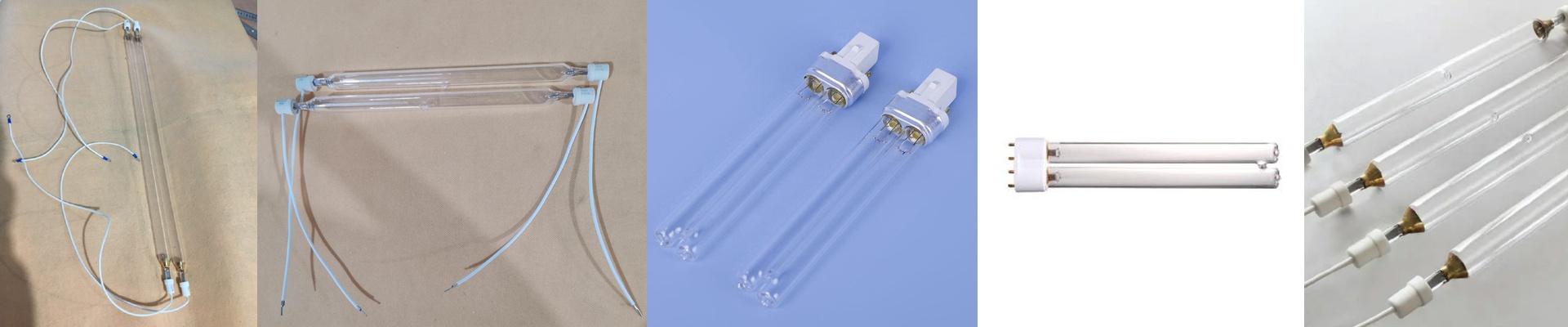
Getting Your UV Curing and Sterilization Right
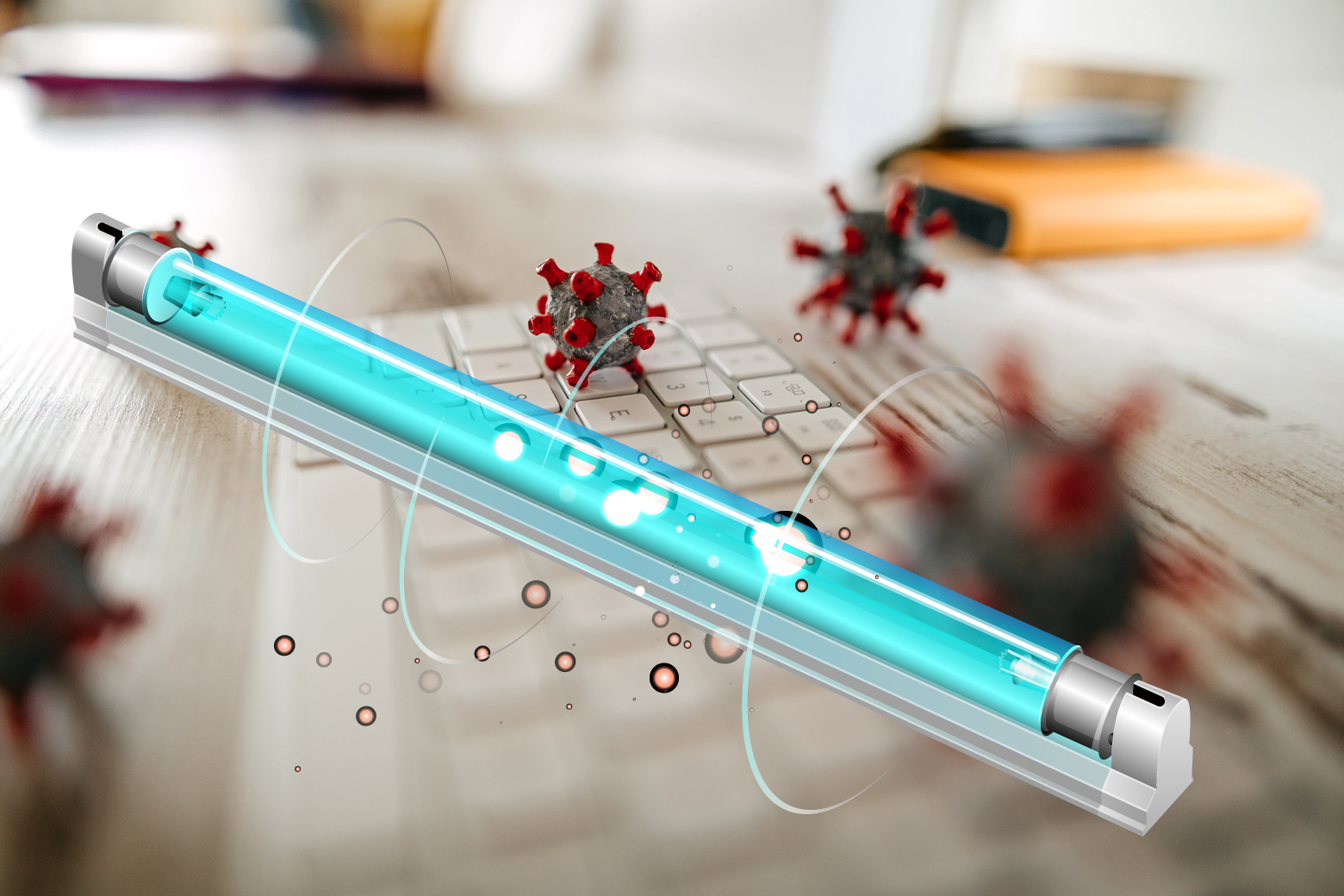
Look, we don’t just sell you a lamp and wish you good luck. That’s not how this works. We actually sit down with you to figure out your UV lines so you can stop dealing with ink bleed and those annoying tacky spots where the curing just didn’t take. It all comes down to a match. The light coming out of the lamp has to play nice with the photoinitiator in your ink—or, if you’re sterilizing, it has to hit the DNA of the germs exactly right. If those two things aren’t in sync, you’re just wasting electricity.
Power, Speed, and the Heat Problem
Your line speed depends on power density. Simple as that. Whether you’re using LED or mercury-vapor, the wattage per millimeter tells you how fast your product can fly under the lamp. Go too fast? You get uncured spots. Go too slow or crank the wattage too high for thick coatings, and you’ve got a heat problem. If your cooling fans or water jackets aren’t up to the task, your lamps will burn out way faster than they should. Or worse, your substrate starts to warp. Not a great look.
Picking the Right Hardware
This is where a lot of people trip up. They just grab a lamp without checking the wavelength. If you’re killing bacteria, you need UV-C hitting that 254nm peak. For curing, it’s all about the balance between UVA and UVB. We use specific quartz glass coatings to filter out the infrared heat. That way, the energy actually hits the ink instead of just melting your plastic film. And please, don’t mess around with the wiring. We provide drop-in replacements with standard connectors because arcing at the terminals is a nightmare. Bad contacts lead to voltage drops, which means some parts of your web cure and others don’t.
Fixing the Bottlenecks
Everyone wants more throughput. I get it. But the instinct to just “crank up the power” usually ends in disaster—usually a burnt product. The trick is finding the sweet spot between the lamp’s distance and the irradiance levels. If you get this wrong, you get “skinning.” That’s when the top looks dry, but the bottom is still liquid. We don’t guess. We look at the raw data—the mW/cm²—to make sure your process stays steady and predictable.