Why the CE Mark Actually Matters for Your UV Lamps
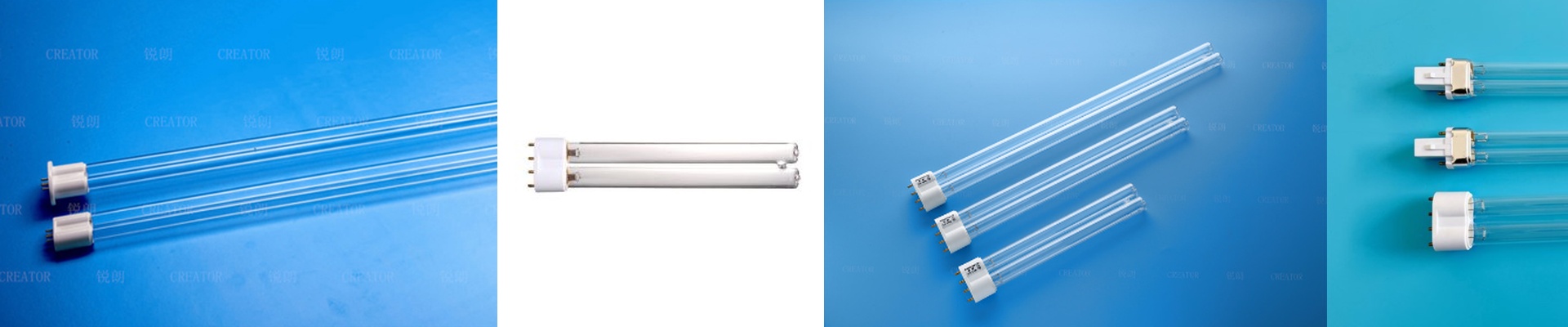
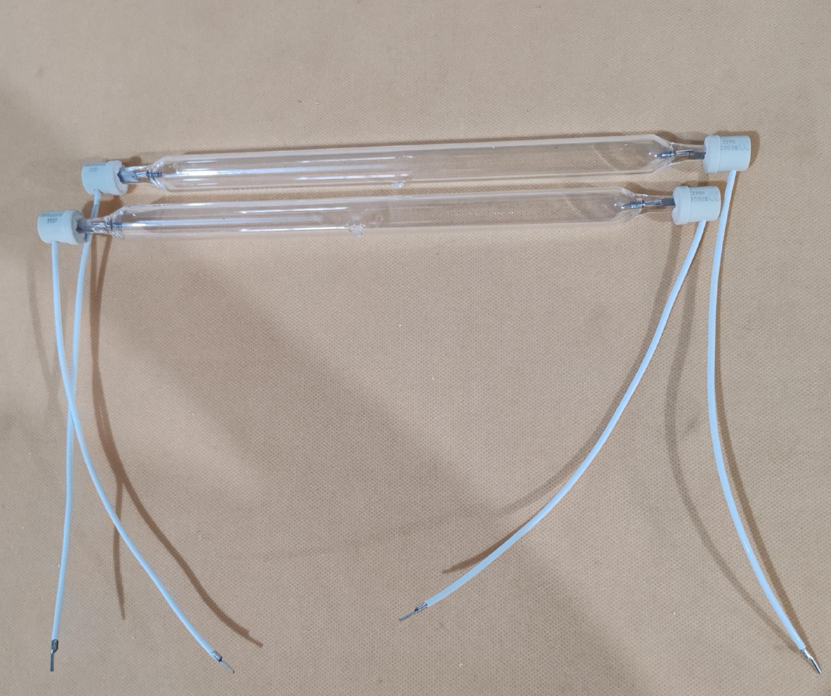
When people start shopping for wholesale industrial mercury UV bulbs, they usually obsess over the wattage or the UVC output. I get it. Those are the numbers that tell you if the lamp actually works. But if you’re selling into Europe or dealing with high-end global clients, there’s something else that matters more: the CE mark. It’s not just some bureaucratic stamp or a piece of paper to check a box. It’s basically a guarantee that the lamp won’t melt, leak ozone, or freak out electrically when you plug it in. The scary side of high voltage Here is the thing about mercury UV lamps: they run on high voltage and get incredibly hot. If you skip the CE-standard testing, you’re playing a dangerous game with your sockets. We build our bulbs to handle voltage spikes and the constant stress of heating up and cooling down. To get that certification, we have to prove the quartz glass is strong enough and the end-cap seals are airtight. If those details are off, the bulb doesn’t just burn out early. It can arc. And when a bulb arcs, it can fry your entire ballast in a heartbeat. Not a great day at the office. The “cheap bulb” trap You can’t just toss a non-certified lamp into a professional sterilization system and hope for the best. Most OEMs need those bulbs to be CE compliant just to keep their own machines certified. I see this happen all the time. A buyer finds a bulb that’s a few cents cheaper per unit. They think they’re winning. But then they realize the shielding is flimsy or the insulation is wrong. Suddenly, the entire machine loses its insurance eligibility. That “saving” just became a massive liability. Is it worth the extra cost? Look, getting CE certified isn’t free. It adds to the overhead because we have to do way more batch testing and be obsessive about how much mercury goes into every single bulb. You’ll pay a bit more for it. But you’re paying for peace of mind. You get a predictable lifespan and an output that doesn’t swing wildly from one bulb to the next. One last tip: remember that these high-output bulbs are heat monsters. Even with a CE-certified lamp, if your cooling airflow isn’t dialed in, it’s going to overheat and fail. No certification can save a lamp from a lack of air.