How we actually build high-output mercury UV lamps (and why it matters)
For 15 years, we played the OEM game, slapping our name on other people’s bulbs. It worked, but it wasn’t enough. We wanted to build something ourselves—something that hit the same power and lifespan as the big-name international brands, but without that “luxury brand” markup that makes your accountant cringe.
The science part (made simple)
Here is the deal with mercury vapor. To get those lamps working, you need a very specific mix of mercury and argon. When you hit that gas with high voltage, it kicks the mercury atoms into gear, and they spit out shortwave UV-C radiation. We aim for the 253.7nm peak. That’s the sweet spot where germs actually die. But here’s the tricky part: if the fill pressure is off by even a tiny bit, the output shifts. Suddenly, your curing takes longer or your sterilization fails. To stop that from happening—and to keep the bulbs from burning out early—we do the entire fill process in a vacuum. No leaks, no guesswork.
Why the glass matters
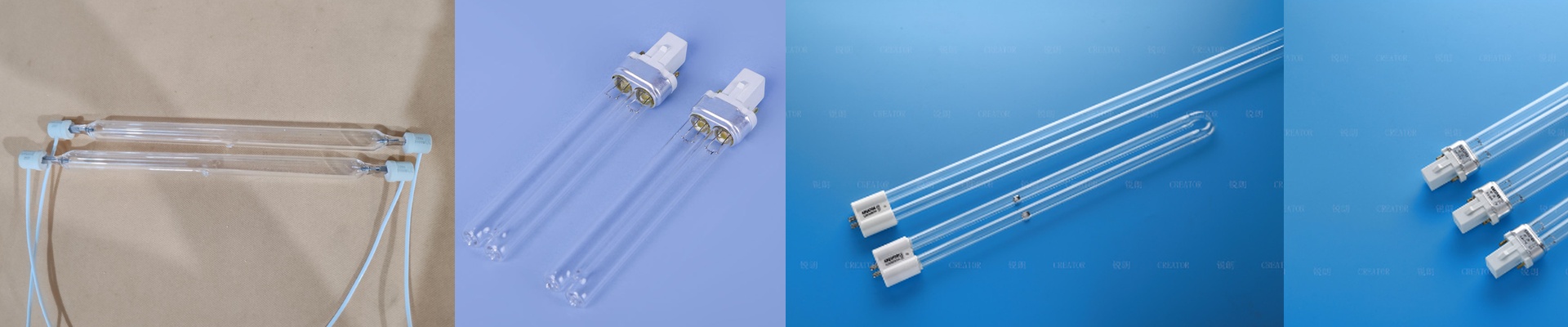
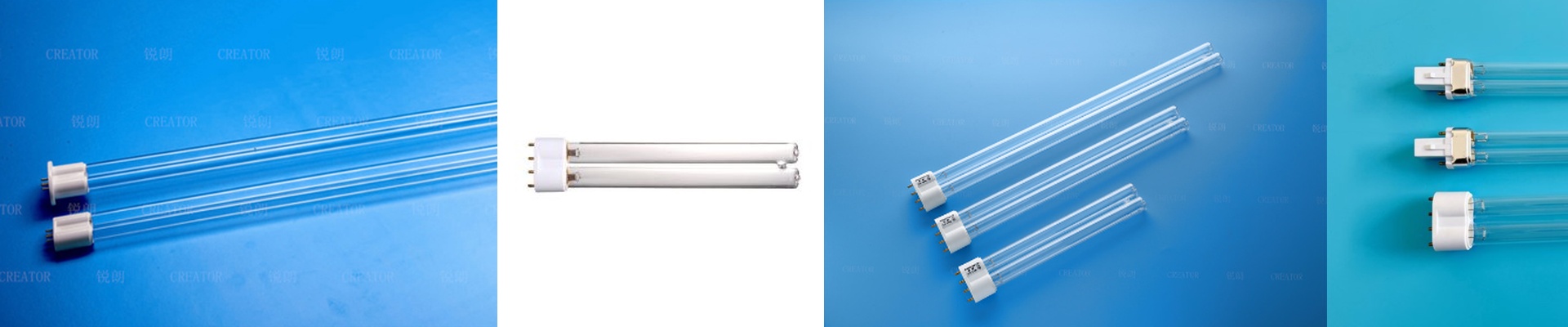
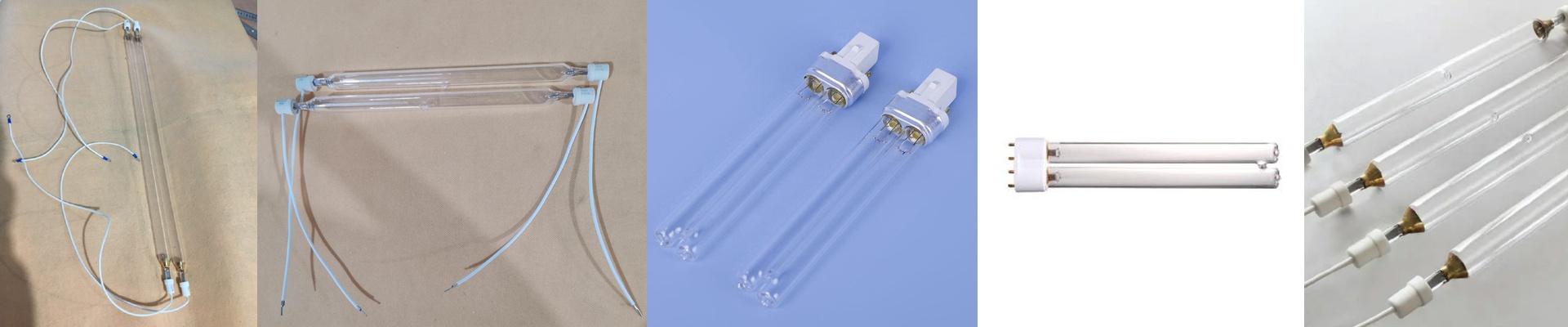
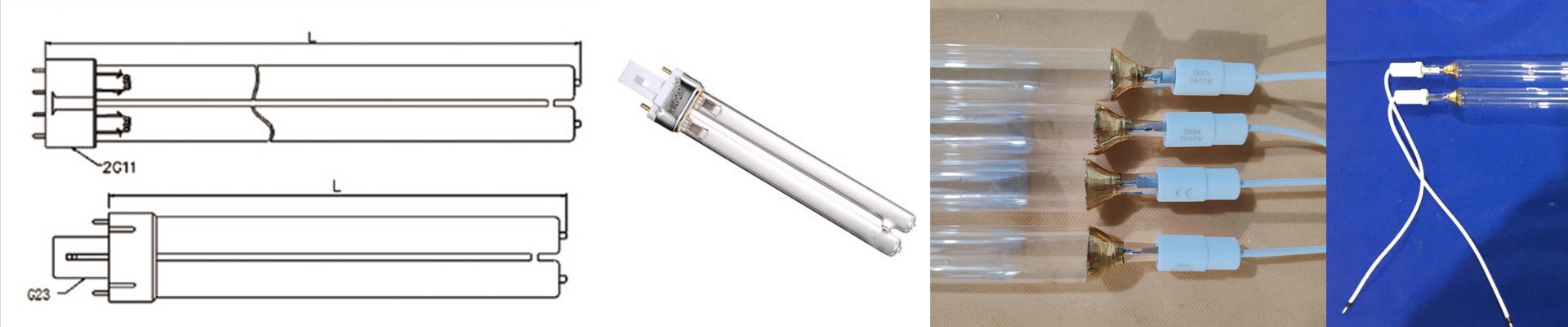
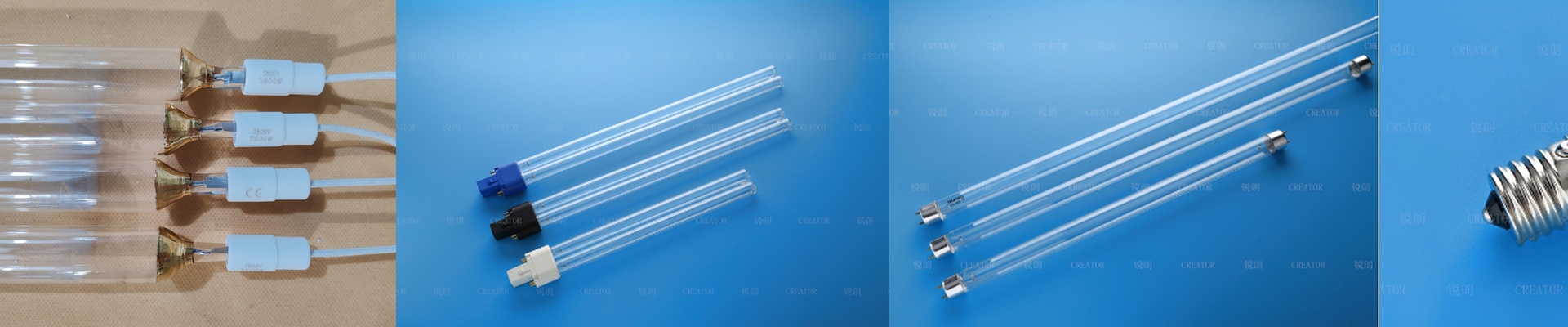
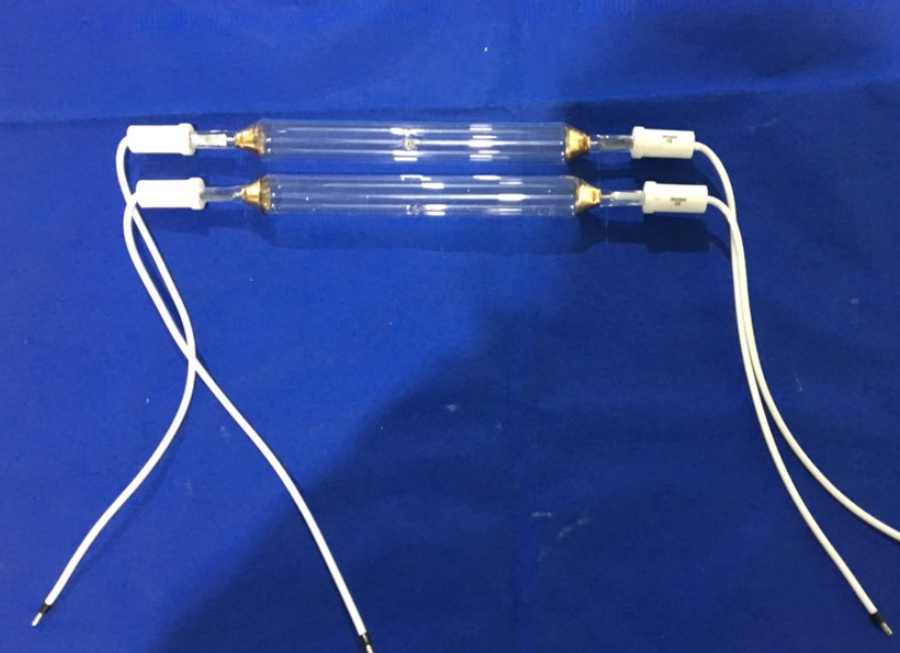
Most cheap bulbs fail because of the envelope. If you use standard glass, it’ll either block the UV rays or just melt under the heat. We use high-purity fused quartz. It lets the UV-C fly right through without getting trapped. Plus, these things need to be tough. Industrial environments are brutal, and thermal cycling (heating up and cooling down) can snap a weak tube. That’s why we reinforced the ends. It means you can actually install them without worrying about a crack ruining your day.
The honest truth about using them
We designed these to be drop-in replacements. They should slot right into your existing rigs and play nice with your ballast so nothing overheats. But let’s be real: high-wattage mercury lamps gethot. Really hot. If you cram these into a tight box with no airflow, you’re basically killing your electrodes. You need a cooling system that can actually handle the heat, otherwise, the quartz will start to cloud over. One last tip? Check your reflectors every 2,000 hours. A bit of dust buildup will kill your UV intensity way faster than the bulb itself ever will. Keep them clean, and they’ll keep working.