
Stop Buying Generic Bulbs. Start Building Your Own UV Brand.
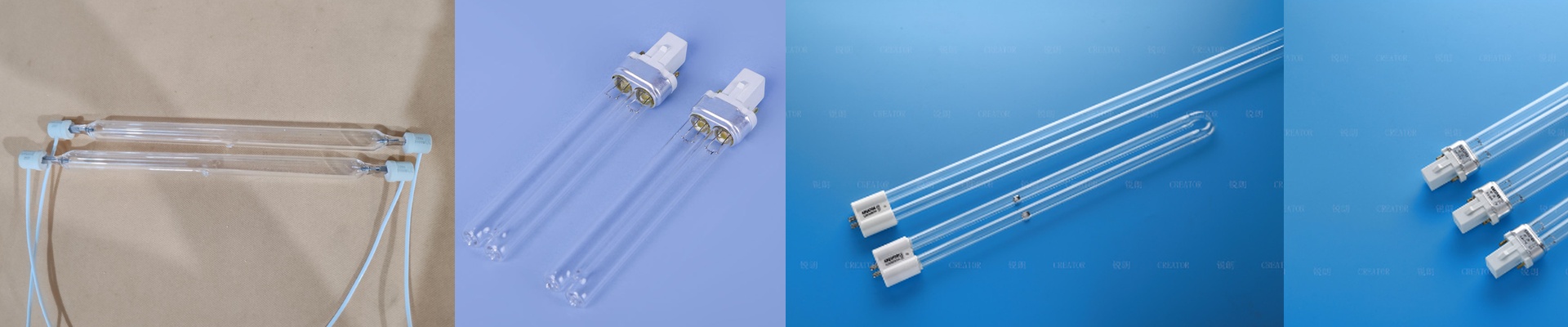
Most people in the wholesale game just buy whatever bulb is sitting on the shelf. It works, sure. But if you’re trying to win over a client who needs something specific—like a high-speed PET curing line or a medical sterilization setup—a “generic” part just doesn’t cut it. You need a lamp that fits your machine perfectly. That’s where we come in. We give you the backend infrastructure to stop being just another reseller and start selling your own branded line of industrial mercury UV lamps.
The Nitty-Gritty of UV Output
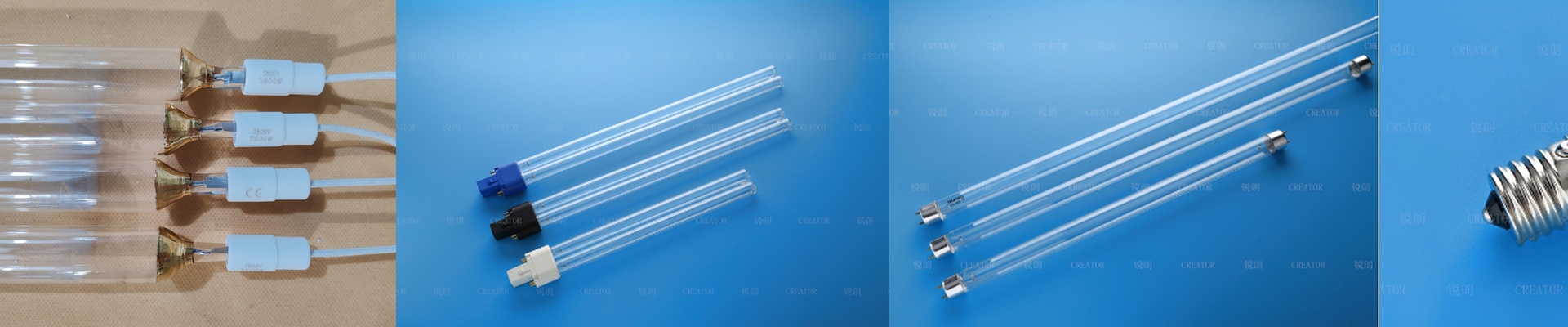
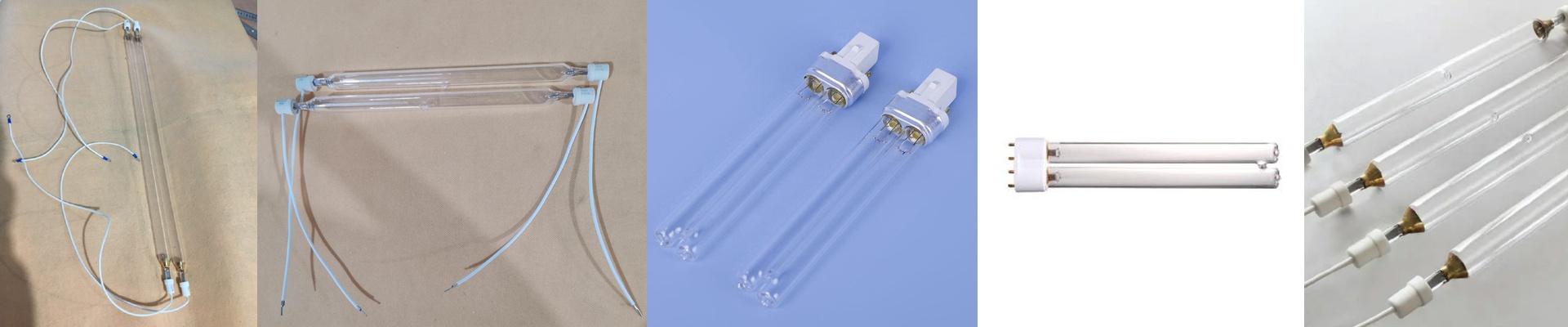
Here is the thing about mercury vapor lamps: it’s all about the gas mix. If the mix is off, your UVC radiation is off. We spend our time dialing in the wattage and voltage so you hit the exact irradiance you’re looking for. Now, if you’re running fast conveyor belts, you’ll want high-wattage tubes for that raw intensity. But heads up—those things gethot. You’ve got to make sure your housing has plenty of airflow, otherwise, that quartz envelope is going to crack under the heat. If you’ve already got fixtures in the field, don’t sweat it. We can tweak the length and diameter of the tubes so they slide right in as a drop-in replacement for your customers.
It’s More Than Just a Logo
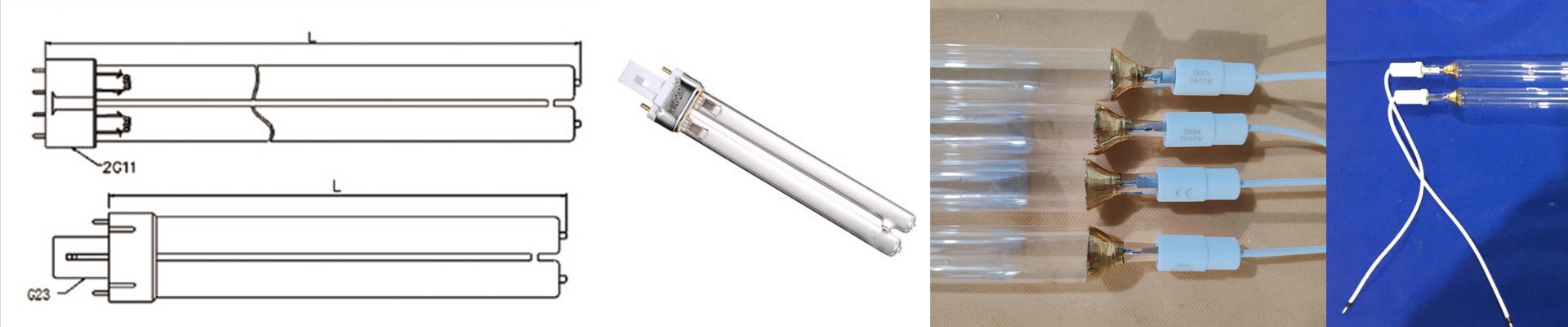
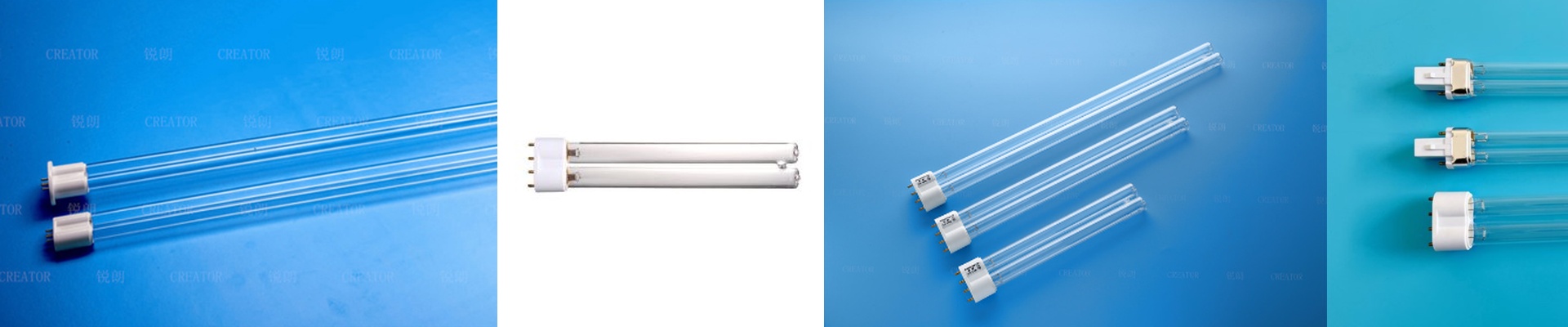
Putting a sticker on a box isn’t branding. Real branding is in the hardware. We can handle all the annoying details—end-cap setups, pin layouts that actually play nice with your ballasts, the whole bit. Need ultra-pure quartz glass to let more UV through? Or maybe reinforced ends because your clients’ factories shake the living daylights out of their equipment? We build it exactly how you draw it. And since we handle the branding on the lamp ends and the packaging, the gear arrives at your warehouse ready to ship.
The Tug-of-War: Power vs. Lifespan
Here is the trade-off: push for more power, and your bulb dies faster. It’s just physics. We’ll work with you to find that “sweet spot.” You want enough UV-C to kill the microbes or cure the resin, but you don’t want your customers calling you in three months because the bulb burnt out. If you crank the voltage too high to get more punch, you’re basically eating away at the electrode life. To save you the headache, we provide clear data sheets. That way, you can tell your customers exactly when to swap the bulbs so their production line doesn’t grind to a halt at the worst possible moment.