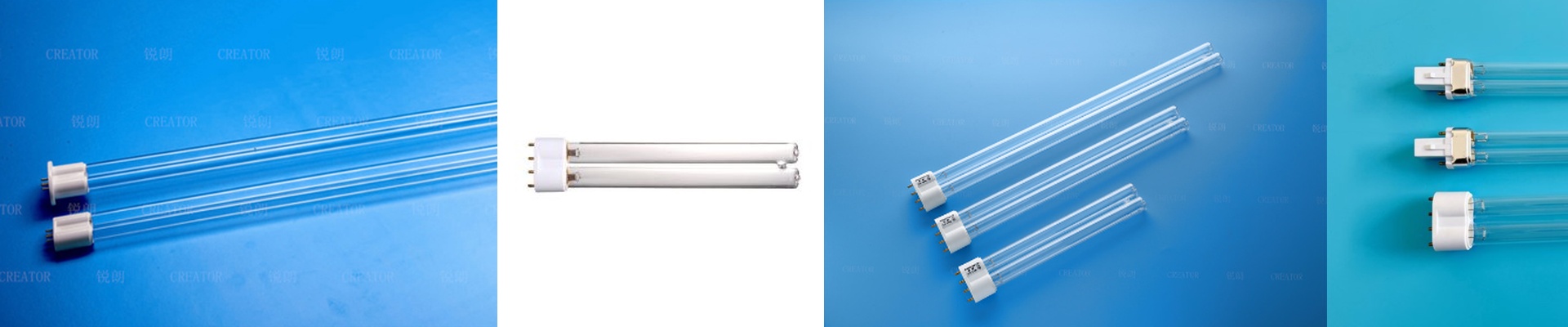
Getting Rid of Mercury: A Better Way to Run Your PCB Lines
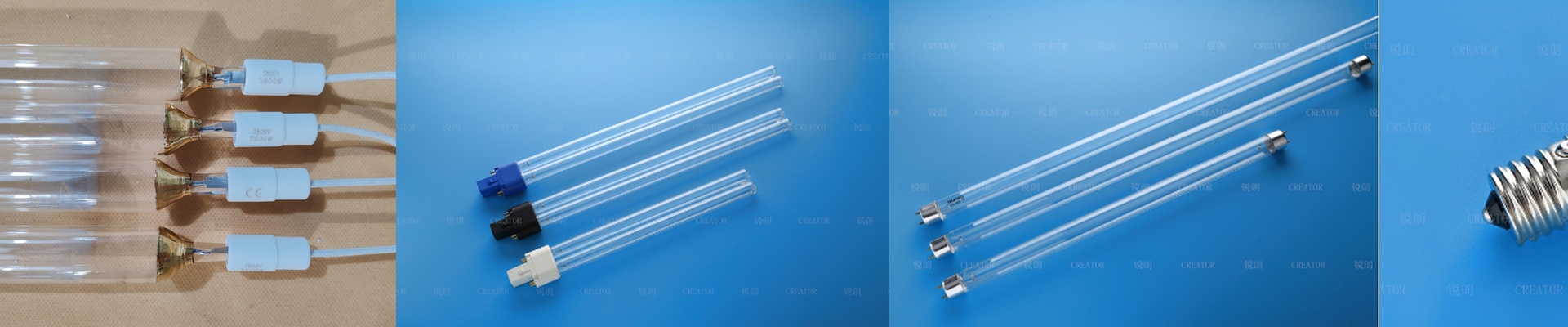
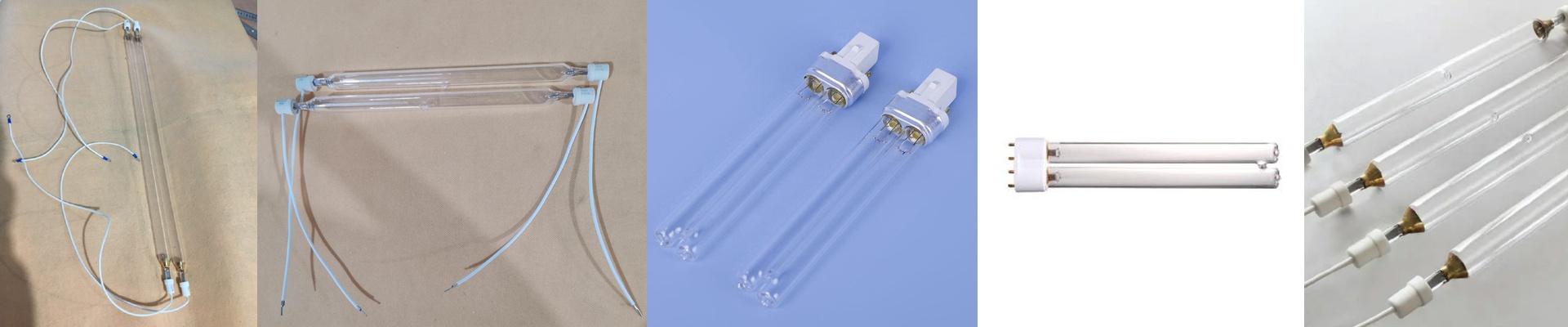
Let’s be honest—nobody likes dealing with mercury. It’s a headache to handle and a nightmare to dispose of. That’s why we’re moving toward Gallium Iodide (GaI) lamps. It’s not just about hitting some “zero-pollution” goal on a spreadsheet; it’s about using a light that actually plays nice with the photoinitiators in your solder masks and dry films.
How the Magic Happens
Standard UV lamps are fine, but GaI is a different beast. By using a gallium-doped discharge, these lamps put out a specific kind of light that cuts right through thick ink layers. We spent a lot of time obsessing over the electrode materials. Why? Because there’s nothing more frustrating than a lamp burning out right in the middle of a big run. We wanted something stable. You want the UV output to stay the same on day one as it is on day one hundred.
Built to Actually Last
We’re playing the long game here. We use high-purity quartz glass because standard glass tends to “cloud over” over time—a process called solarization. Once that happens, your UV output drops, and you’re stuck replacing bulbs way too often. Better glass means you can just leave it alone and let it work. But here is the catch: you have to watch your ballast settings. If you try to “over-drive” the lamp to get more intensity, you’re basically eating away at the cathode life. It’s a classic trade-off. You can run it at the rated wattage and enjoy a long life, or you can push the current for faster line speeds and accept that you’ll be swapping bulbs more often. Your call.
Making it Work on Your Floor
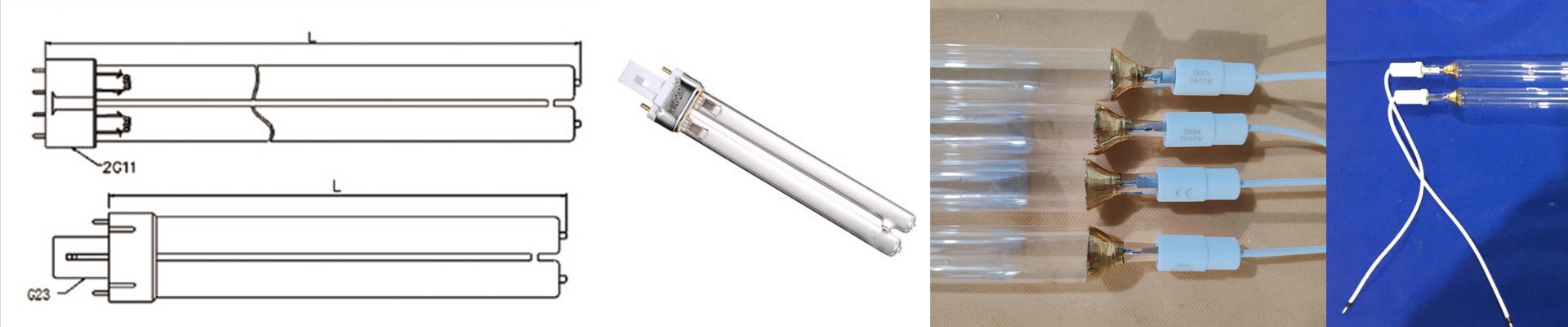
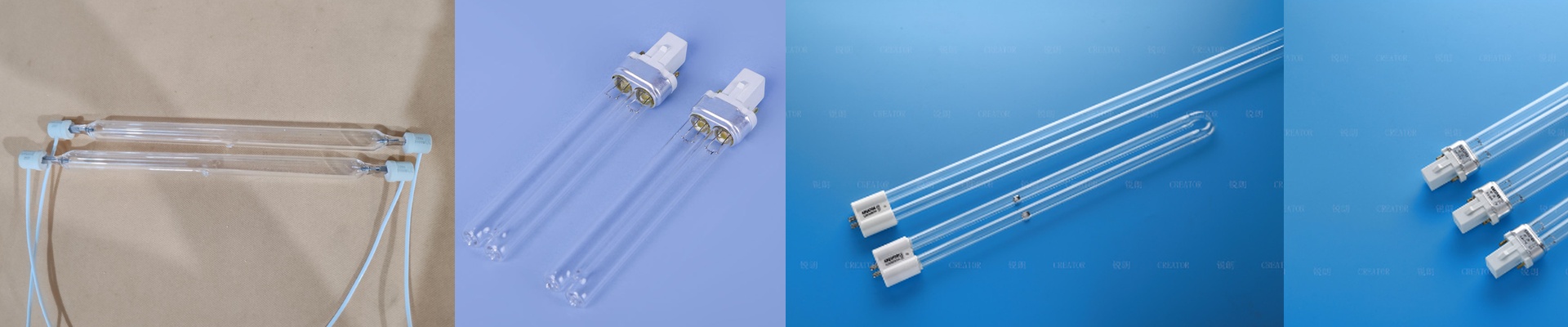
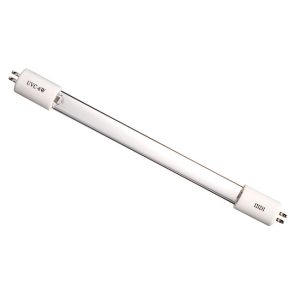
The best part? These are mostly drop-in replacements. They fit right into most existing UV conveyors. Since there’s no mercury, you can stop worrying about the cost and paperwork of hazardous waste disposal if a tube breaks. We also made sure the footprint fits standard reflectors. We want the light hitting the board, not wasting energy by heating up the machine frame. One last tip:Keep your cooling fans clean. GaI lamps run hot. Really hot. If your airflow gets choked up with dust, the temperature will spike and you’ll crack the seal. Keep the air moving, and these things will treat you right.