Stop treating the CE mark like a sticker
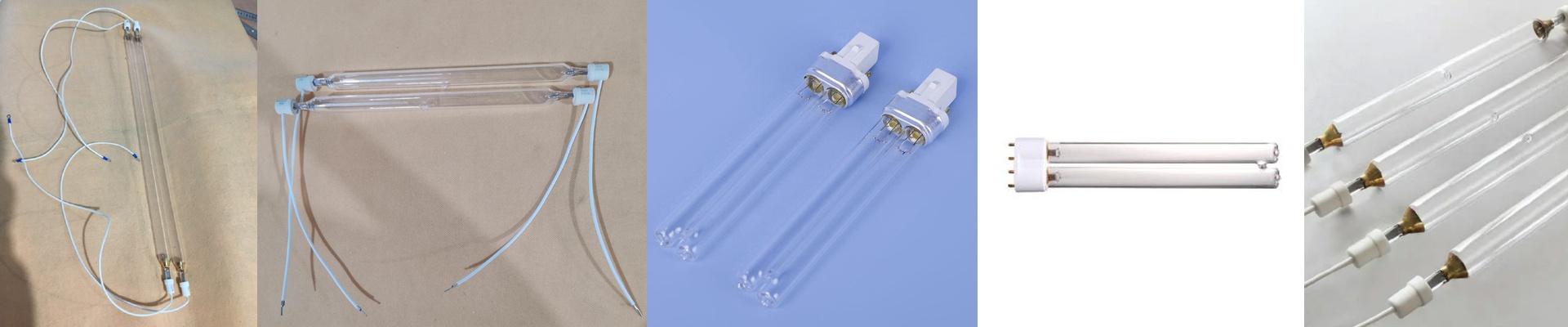
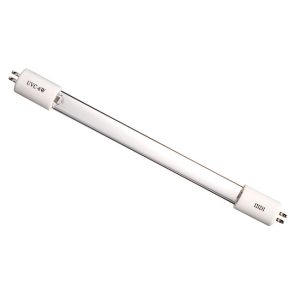
I see it happen all the time in the UV world. A buyer looks at a CE certification and treats it like a checkbox—just some boring paperwork to get through. But if you’re the engineer actually putting these UV-C lamps into a production line, that little logo is everything. It’s the difference between a smooth rollout and a total nightmare where your control boards fry or, worst case, your factory catches fire. Here’s the real deal: UV lamps run on high-voltage ballasts. Those things are noisy. I don’t mean sound—I mean electrical noise. If you don’t have the right shielding and parts, that interference leaks straight into your PLC and sensor lines. That’s why we stick to the LVD and EMC Directives. We use specific capacitors and filtered power supplies to keep things quiet. If you go cheap and buy a non-certified lamp? Get ready for erratic sensor triggers and a lot of unplanned downtime. It’s a headache you just don’t need. Then there’s the safety side. UV-C radiation is nasty stuff for your skin and eyes. Certification forces us to be honest about what we’re using. We use high-grade quartz and aluminum reflectors because they don’t fall apart under constant irradiation. We also obsess over leakage current. Because trust me, nobody wants the chassis of their machine to become live. And let’s be honest about the market. If you try to drop a non-certified system into a serious facility in Europe or North America, the site safety officer will shut you down before you even get the wires connected. The CE mark is basically your technical passport. It tells the world your hardware isn’t a liability. One last thing, though. Certification is great, but it won’t fix a bad cooling system. High-wattage lamps get hot. If that heat climbs too high, your emission peak shifts and your output drops. You still need to get your airflow right to keep that mW/cm² where it needs to be.