Why CE Certification Actually Matters for Your UV System
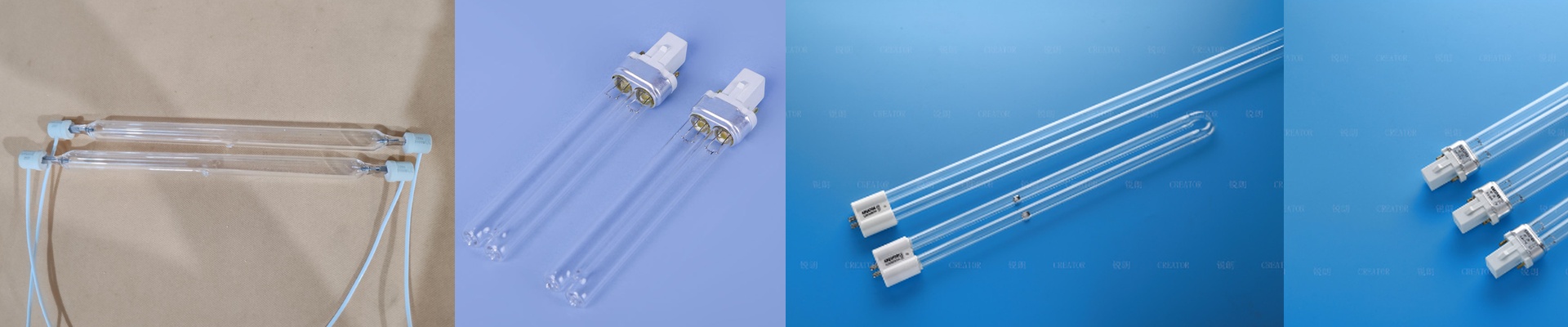
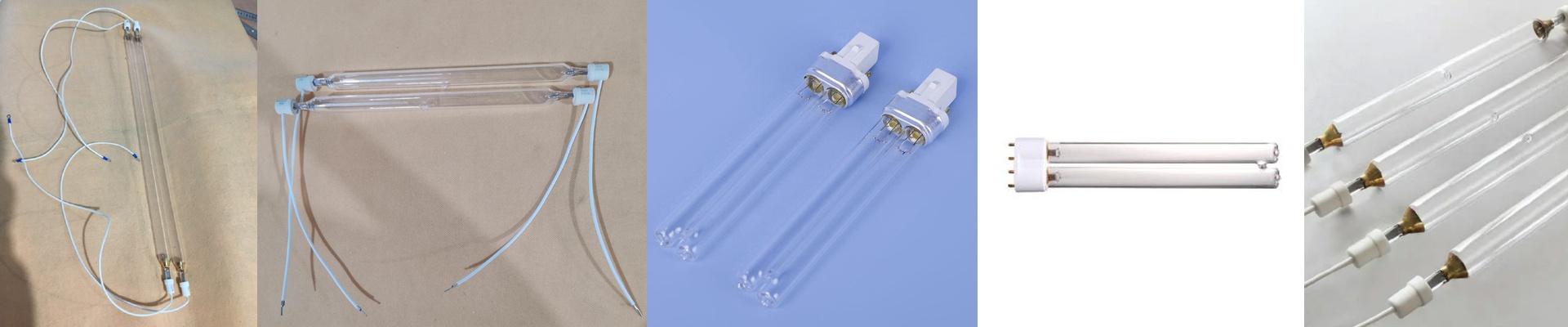
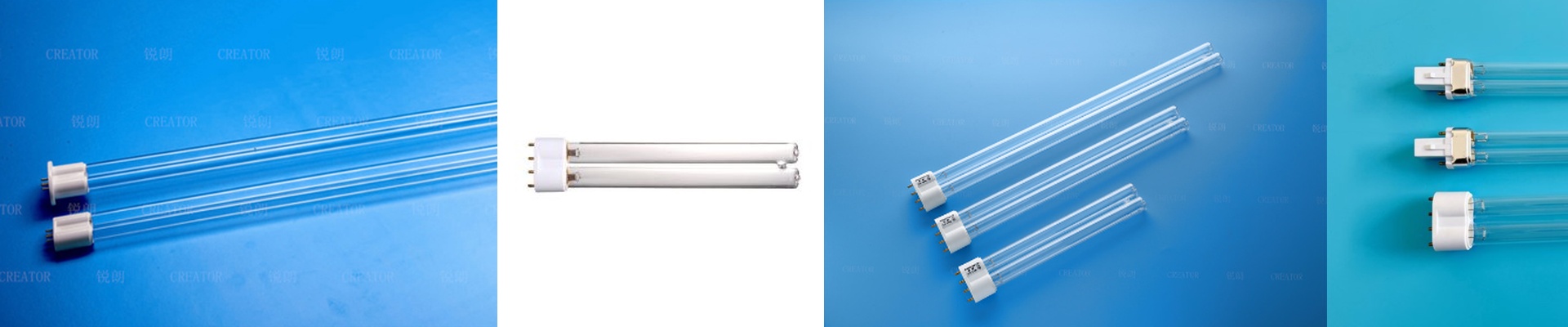
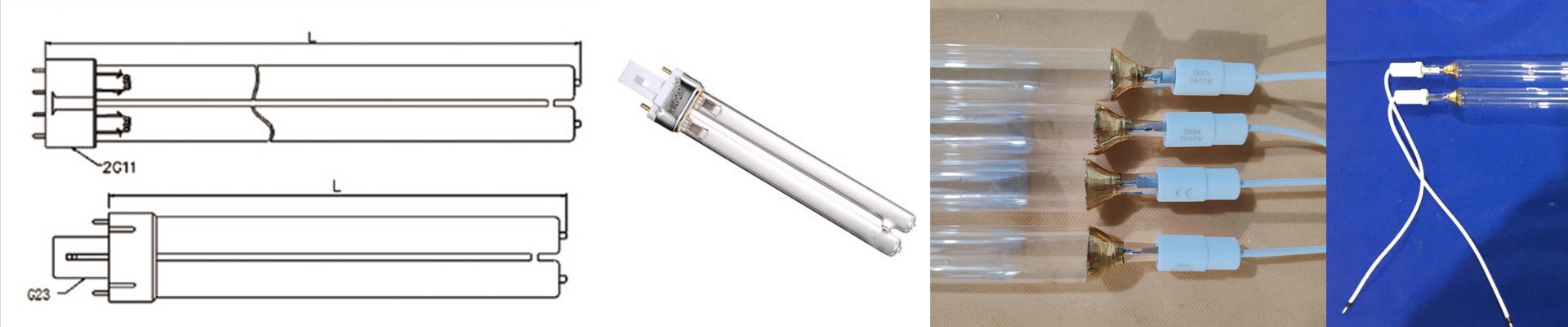
Most people look at a CE label and see a paperwork headache. Just another box to check, right? But in the world of UV sterilization, it’s different. It’s not about bureaucracy; it’s about the physics of light. We’re dealing with 253.7nm wavelengths here. If the hardware isn’t built exactly right, things can go south pretty quickly. Let’s talk about the electrical side. UV lamps are picky. They need a very specific kind of power from the ballast, or they’ll just burn out early. We use high-grade capacitors and transformers because they can take a voltage spike without frying the whole board. If you go with a non-certified system, you’re basically gambling with your current flow. It’s not just about the lamp dying—it’s about the entire sterilization cycle failing when you need it most. Then there’s the glass. Here’s the thing: there’s a constant tug-of-war between 185nm (which makes ozone) and 254nm (which kills the germs). CE standards force us to be honest and precise about that spectral output. We use high-purity quartz glass to let that UVC light through. Cheap glass blocks the light. To make up for it, the system has to run hotter and longer just to get the job done. That’s a fast track to wasting energy and wearing out your gear. Is it more expensive? Yeah, it is. Getting certified bumps up the initial cost. You’re paying for better shielded cabling and housings that don’t fall apart. But if you’re putting these units into a medical facility or a food production line, you don’t really have a choice. You need to know it’s safe. For us, CE is basically a blueprint. It means when you plug in our system, it actually does what the data sheet says it will. No guessing. No midnight emergency calls because a unit failed in the field. It’s just the best way to make sure the system survives a tough industrial environment without eating up all your power.