Stop Guessing With Your UV Sterilization
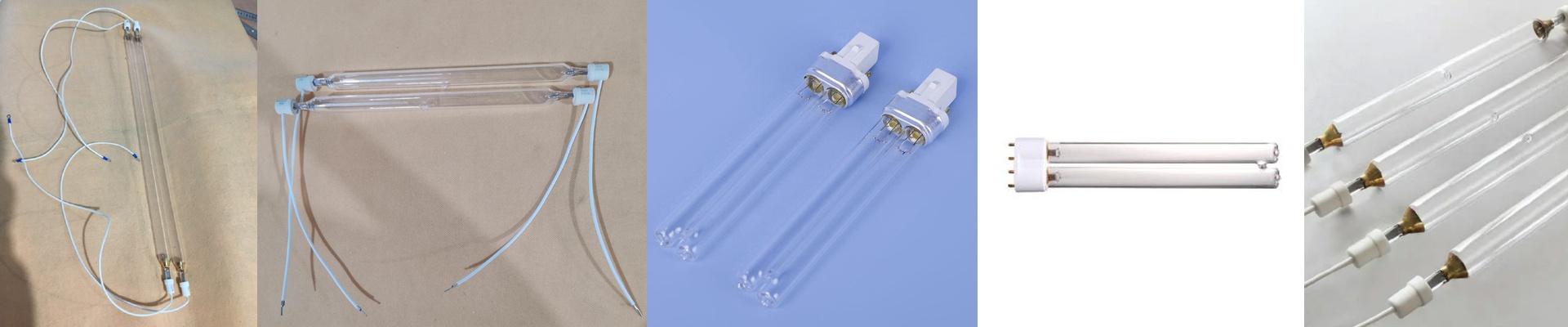
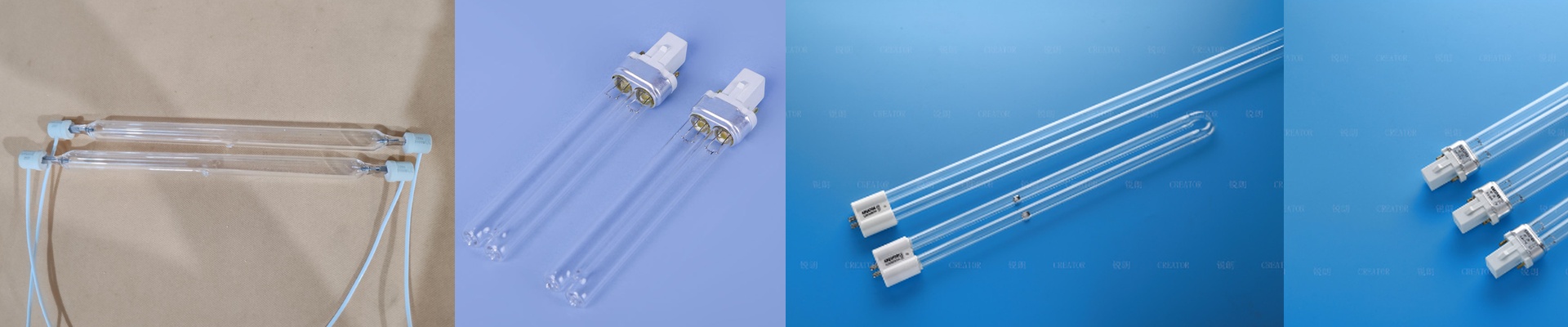
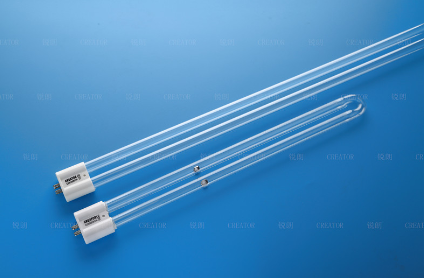
For a long time, UV-C lamps have been pretty basic. They’re either on or they’re off. You flip a switch, you see a purple glow, and you just hope it’s actually doing its job. But operating in the dark like that? It’s risky. That’s why we’re shifting toward smart energy monitoring. Instead of guessing, we’re using real-time power data to see exactly what’s happening inside the lamp.
The trick with UV physics
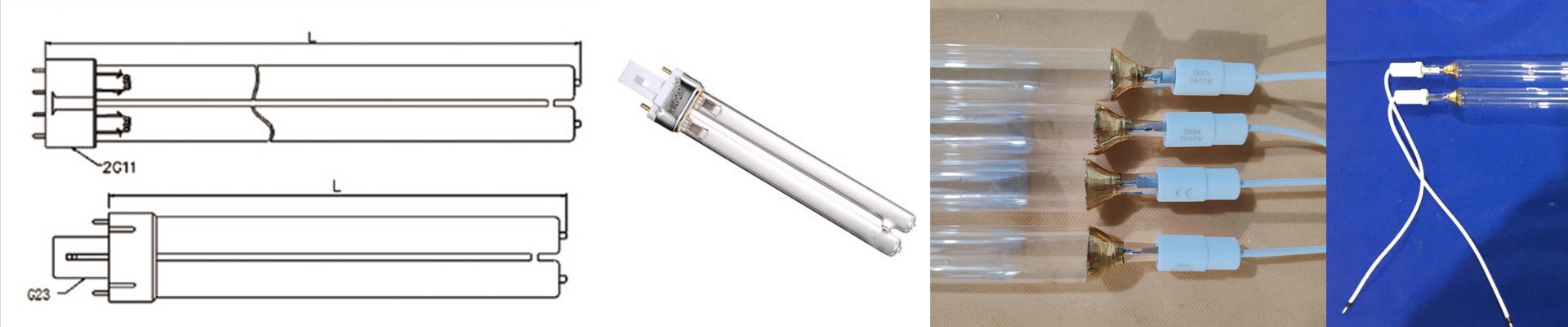
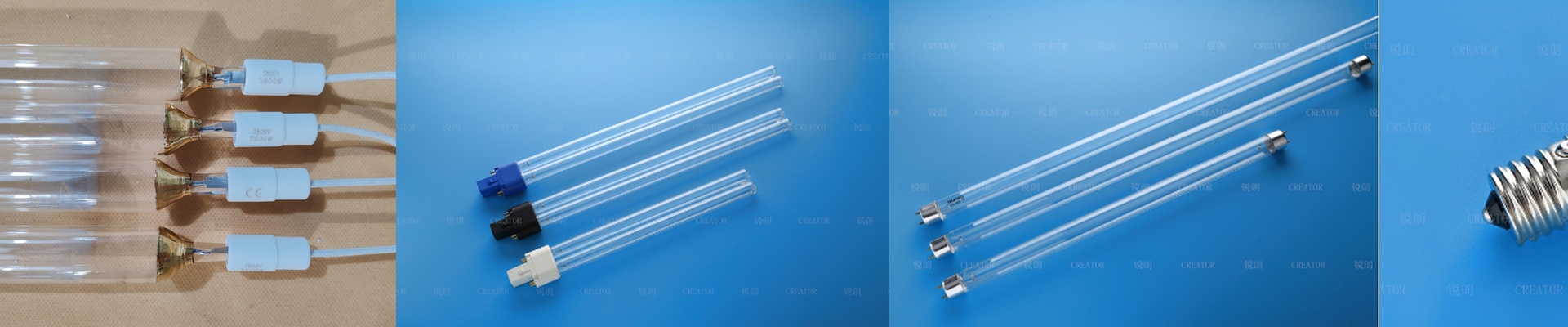
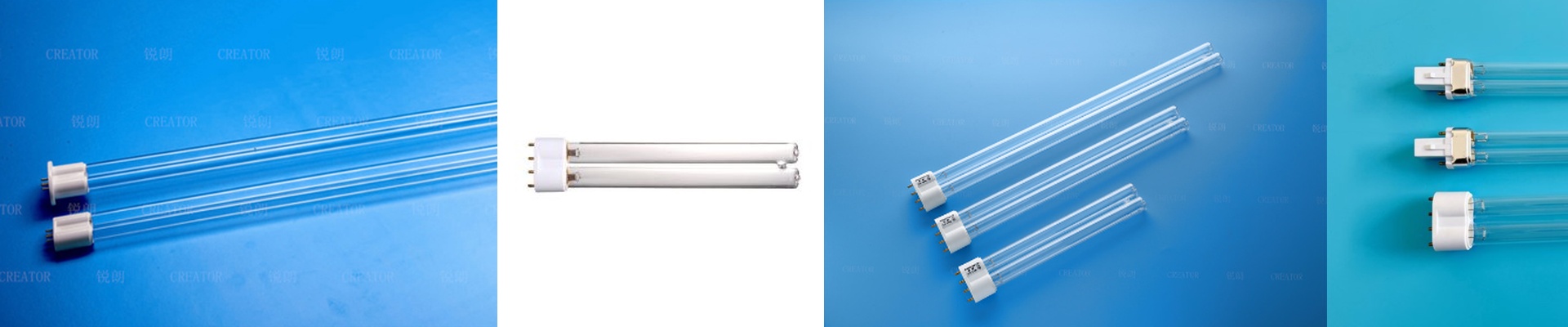
Here is the thing about UV lamps: they don’t just “die” all at once. A lamp can look perfectly fine—still glowing that bright violet—while its actual sterilization power (that 254nm output) has completely tanked. It’s basically a fake-out. If you aren’t monitoring the voltage and current, you might have “dark zones” in your cycle where bacteria are just hanging out, untouched. By tracking the energy draw, we can tell when a lamp is starting to fade. When the power numbers drift outside the sweet spot, the system pings you. You replace the lamp because it needs it, not because you’re guessing.
Moving the brains to the cloud
We’ve stopped trying to make the lamp itself “smart.” Instead, we put the intelligence into the ballast and the cloud. Modern drivers can now shout their wattage and runtime over Modbus or MQTT. You can plug that data straight into your PLC or a dashboard. No more walking around with a clipboard, manually counting hours, and praying you didn’t miss a bulb.
It’s not all magic (The trade-offs)
Look, adding sensors and comms modules means your control box is going to be a bit bigger. And then there’s the noise. High-frequency ballasts can be “loud” electrically, which can mess with your low-voltage signals. It’s a headache if you don’t handle it right. You’ll need shielded cables and solid grounding to keep your data clean.
Why this actually matters
The best part? You can stop throwing away perfectly good lamps just because a calendar told you to. You save money on waste. You can balance the load across your UV banks so one circuit isn’t doing all the heavy lifting while others just idle. Plus, you finally get a clear look at exactly how much power you’re burning per cycle. It just makes the whole process feel less like a gamble and more like actual engineering.