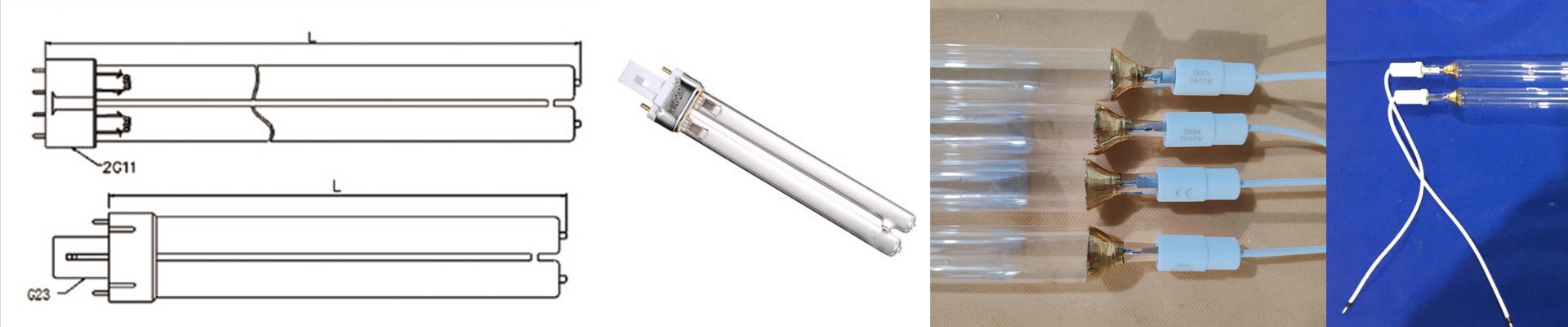
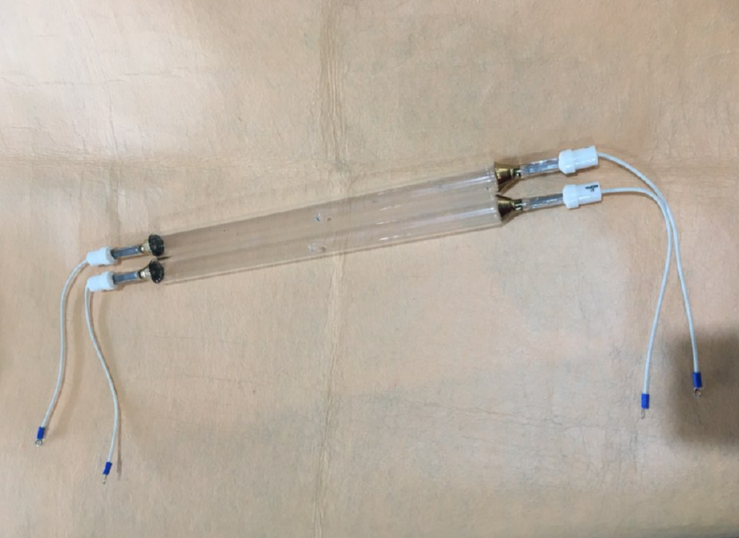
Using UV Lights to Keep Your Textiles Clean
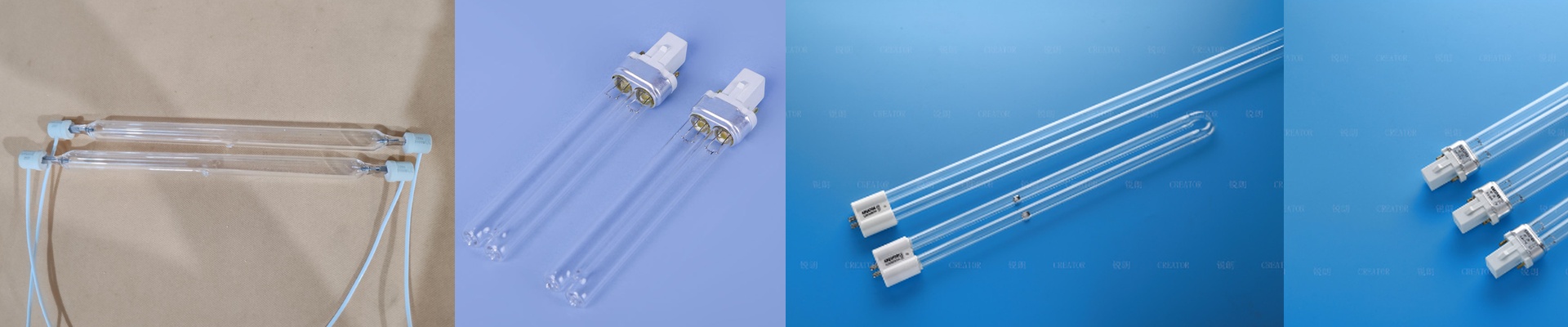
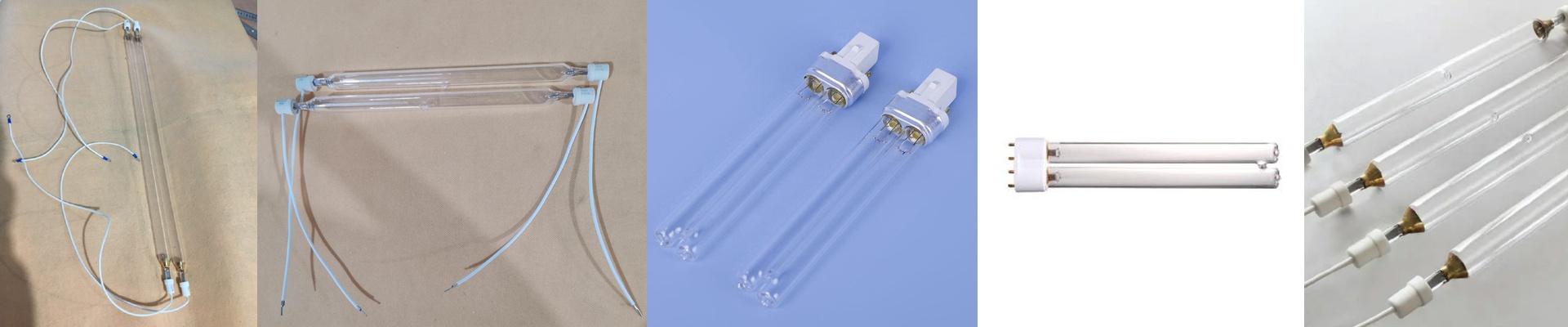
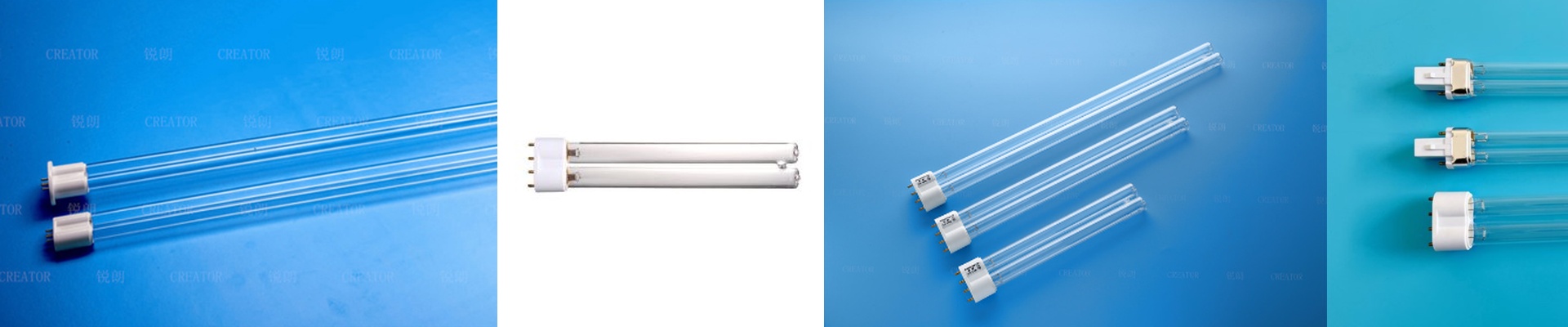
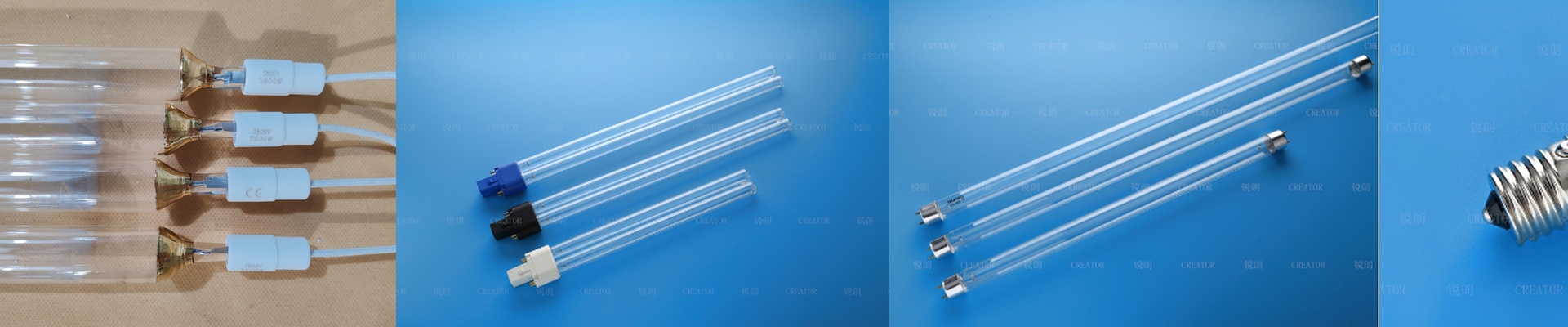
Most people think UV germicidal lamps belong in a hospital wing. But in the textile world? They’re a lifesaver. We use them everywhere—from the moment the raw fibers hit the floor until the final garment is tucked into its packaging. The goal is simple: kill the bacteria and fungi without blowing the electricity budget. That’s why we lean on energy-saving UVC emitters. You get the sterilization you need without the massive power bill. The nitty-gritty stuff Here’s how it actually works. We set these lamps to a wavelength of about 253.7nm. That’s the “sweet spot” where the light hits the DNA of microorganisms and basically breaks them apart. To keep costs down, we use low-pressure mercury vapor tech and energy-saving ballasts. But you have to be careful with your timing. You’ve got to balance the UV dose (which is just intensity multiplied by time) against how fast your conveyor belt is moving. If you crank the speed too high, the fabric zips past before the germs are actually dead. It’s a balancing act. Setting it up on the floor We don’t just put these in one spot; we scatter them across the line. You’ll find some treating the water during the scouring phase and others sitting inside the packaging tunnels at the very end. One big headache? Lint. Fabric dust is everywhere, and it loves to coat the lamps. If that happens, the UV rays can’t get through, and your sterilization rate tanks. To stop that, we wrap the lamps in quartz glass sleeves and set up a compressed air blow-off system. It basically just blows the dust away so the lamps can actually do their job. The trade-offs Now, those energy-saving lamps are great for the wallet, but they have a quirk: they’re slow to wake up. You can’t just flip a switch and expect 100% power instantly. Because of that, I usually suggest wiring them to a timer or a sensor. That way, the lamps are warmed up and firing at full strength before the first batch of fabric even arrives. And a pro tip: don’t just leave them running 24/7. You’ll burn out the cathodes way too fast. Just cycle them based on how much you’re actually producing. Your equipment will last much longer, and you’ll save even more on power.