
Keeping Your UV Lamps in Stock When Things Go Viral
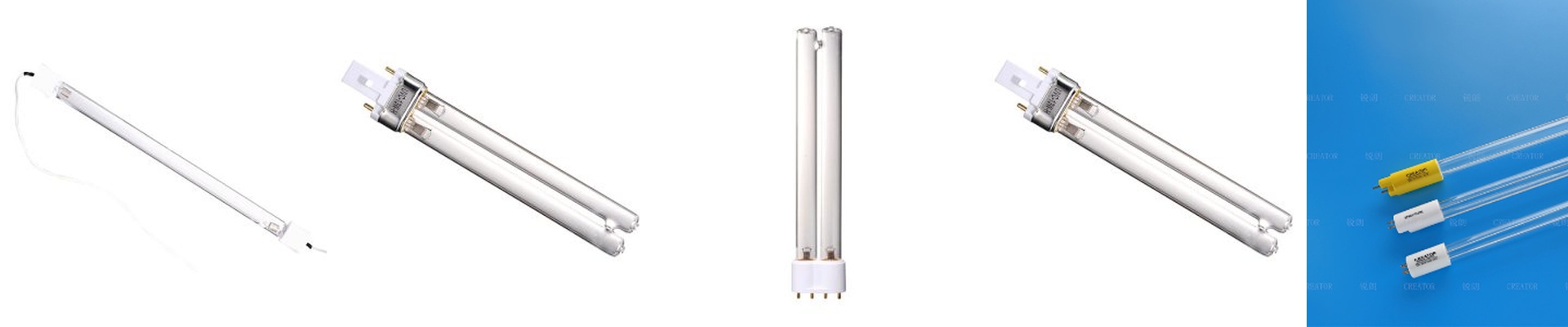
We’ve all seen it happen. One of your products blows up on social media, orders spike overnight, and suddenly your production line is screaming for help. The last thing you need is to find out your UV lamps are dead and the replacements take six weeks to arrive. That’s a nightmare. That’s why we don’t do the “wait and see” approach. We keep a massive stash of our most popular UV lamp setups ready to ship right now. When you need to scale up fast, we’ve already got the gear waiting for you.
The Nitty-Gritty on Power
We’ve kept the designs simple. Our best-sellers are basically “plug-and-play,” meaning they should slide right into most industrial curing stations without a fuss. Depending on how much space you have and how fast you need to cure, you can pick from a few different wattages. Just a heads-up: if you go for the high-wattage tubes to speed things up, keep an eye on your ballast. If your power supply can’t handle that peak current, you’re just going to burn through your lamps faster.
Built to Take a Beating
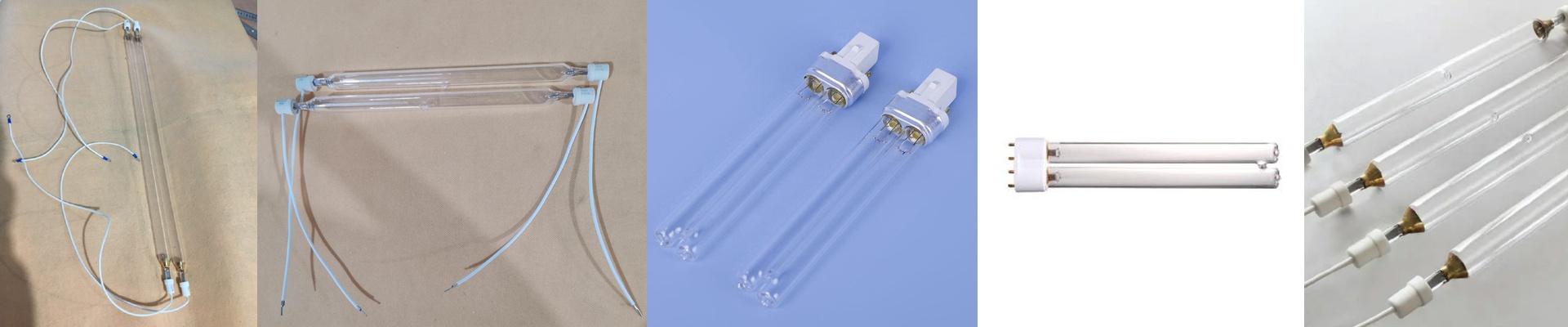
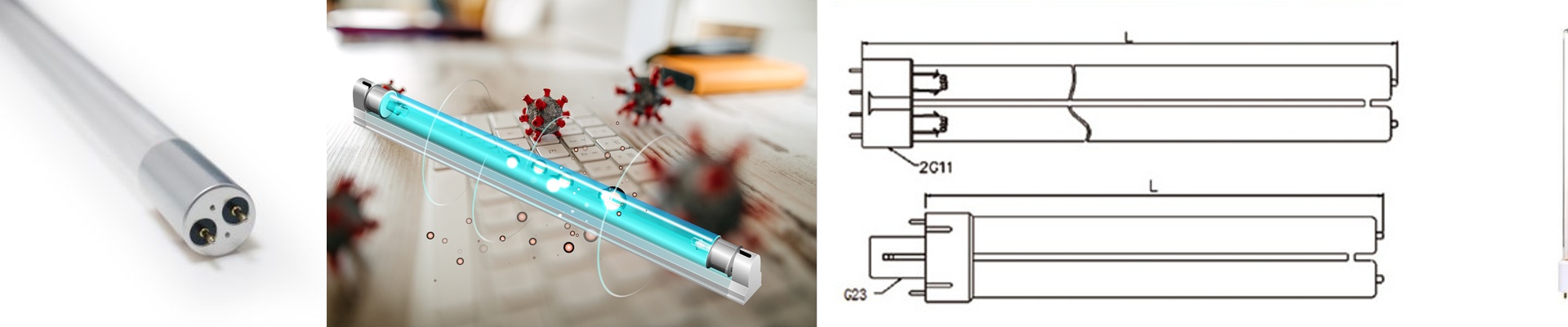
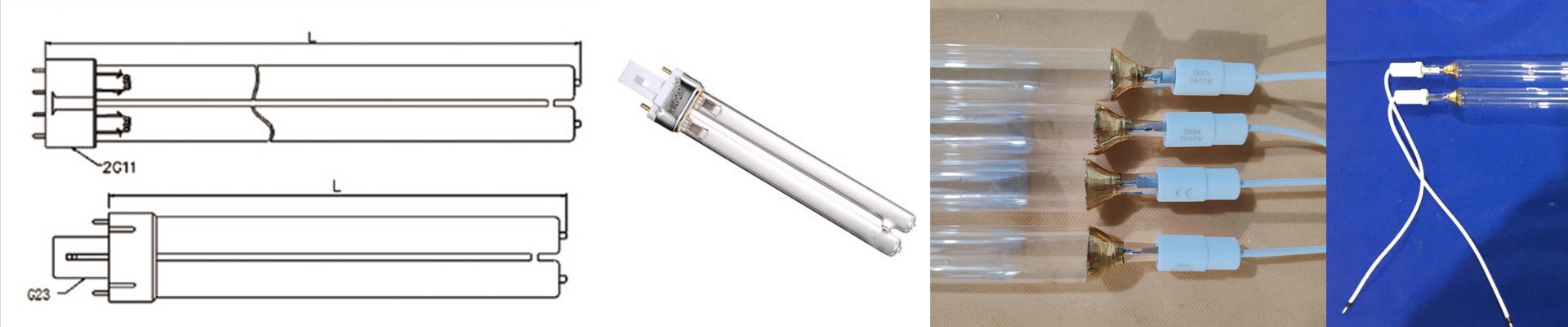
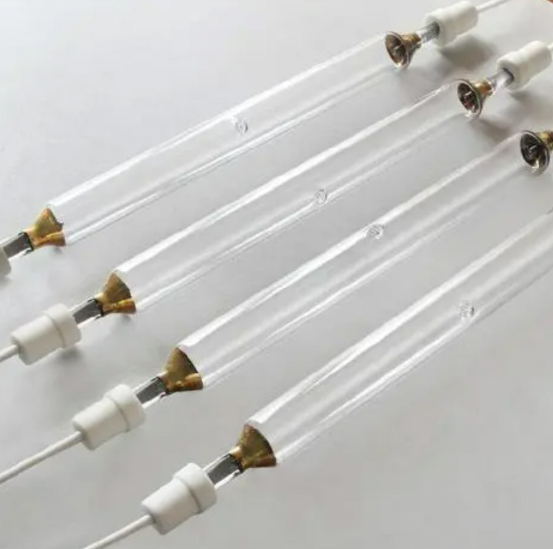
We use high-purity quartz glass because it lets the UV light through without wasting energy. It keeps the curing cycle short and snappy. Plus, we know e-commerce production is messy. You’re often doing small batches, which means turning the lamps on and off constantly. We built the electrodes to handle that kind of stress so they don’t quit on you. And don’t worry about the wiring. Whether you’re using standard pin-bases or something a bit more specialized, we have the connectors to match. You won’t have to tear apart your whole rig just to swap a bulb.
The Trade-off: Speed vs. Life
Here’s the thing about UV lamps: if you push them to 100% all the time, they’re going to wear out. It’s a simple trade. You get a faster line, but the intensity drops off sooner. My advice? Don’t run them at full tilt unless you absolutely have to. Try a staggered replacement schedule instead. It keeps your curing quality consistent so you aren’t guessing if the product is actually set. By sticking to these standard specs and keeping them on the shelf, we cut out the waiting game. You get your parts, your line keeps moving, and you can actually get those orders out the door.