Getting the Most Out of Gallium Iodide for Your Press
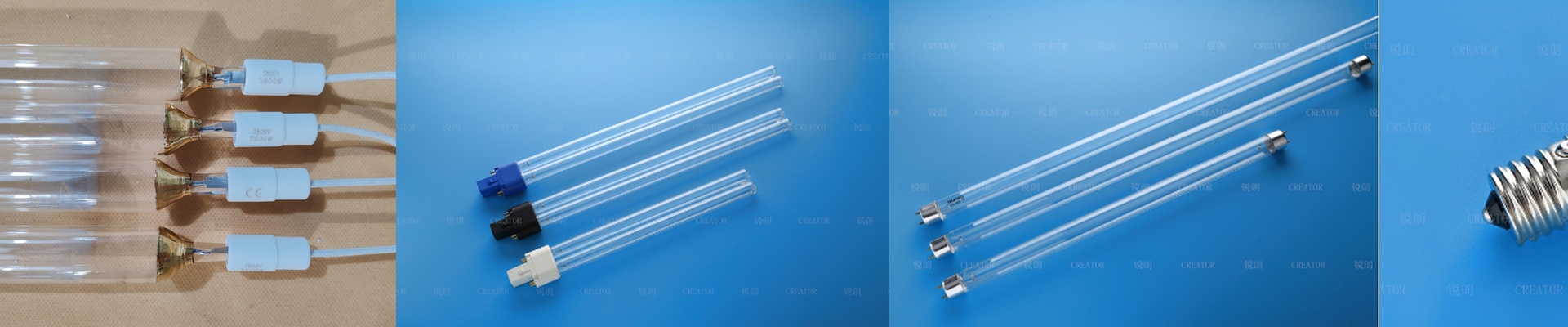
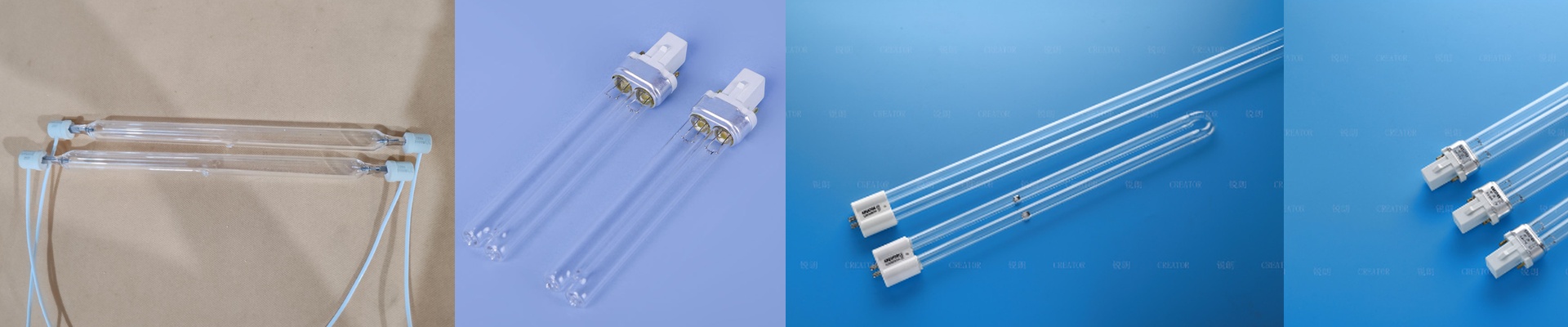
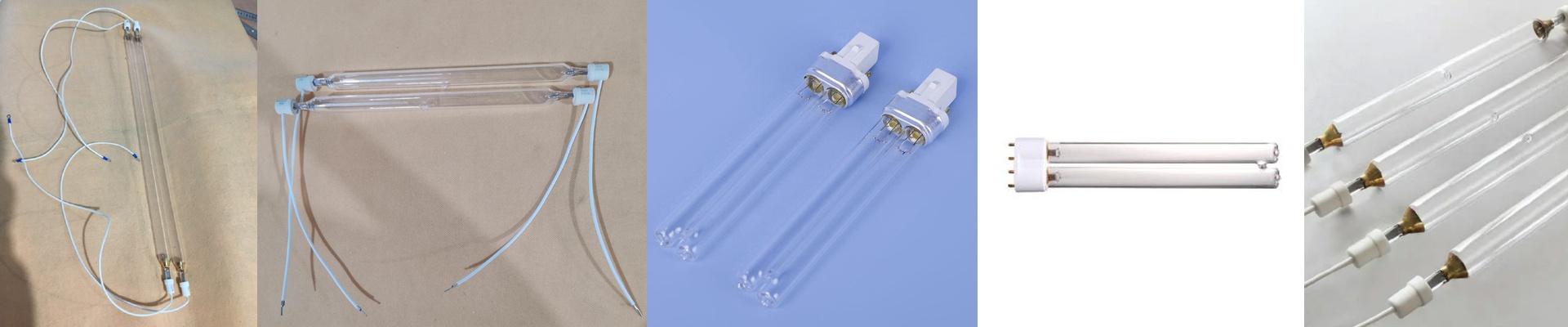
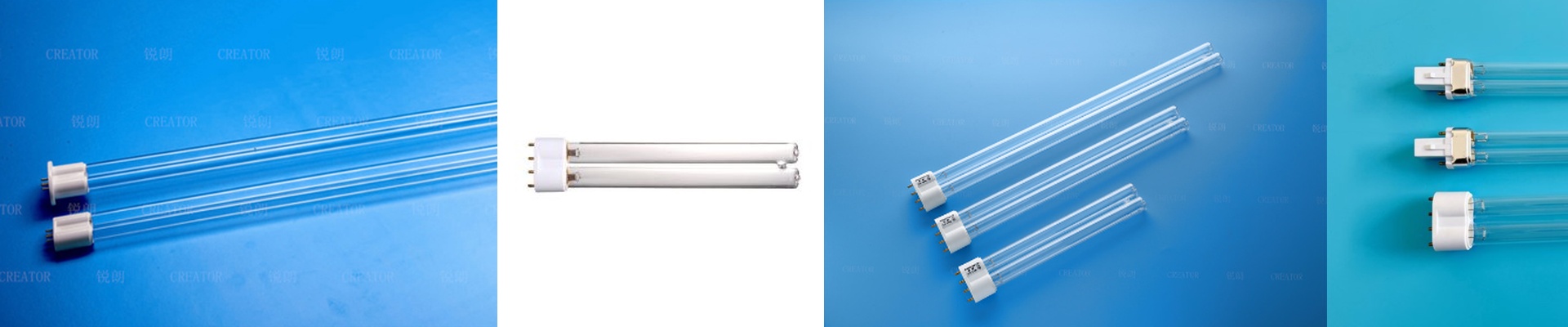
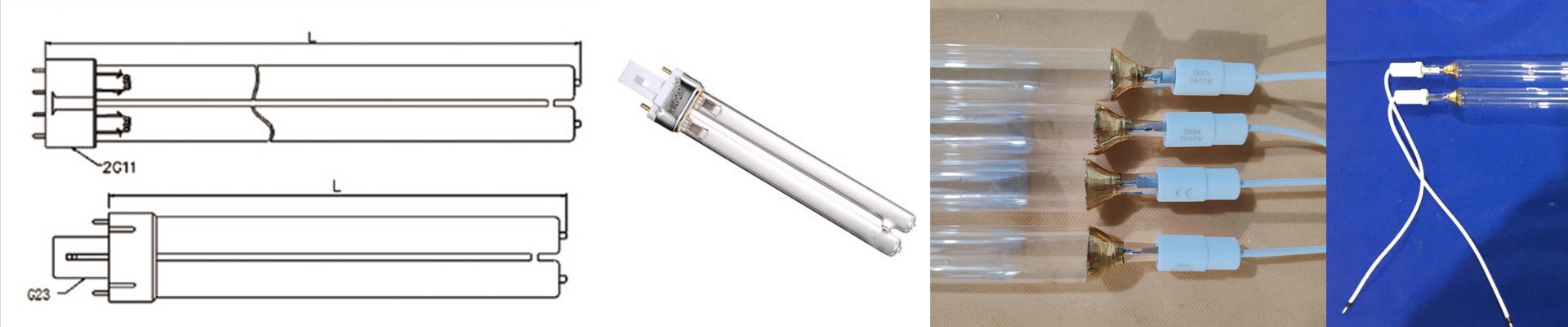
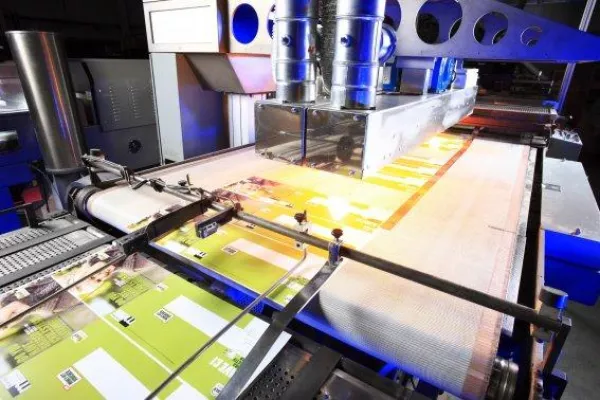
Let’s be honest: most UV lamps are pretty much the same. But gallium iodide is a different beast. Instead of the usual output, we’ve tuned these lamps to push more power into the longer UV-A and UV-B wavelengths. Why does that matter? Because if you’re dealing with thick ink layers or resins that need to cure deep down, standard mercury lamps usually cut it. Gallium actually gets into the guts of the material. The “Tacky Bottom” Problem We’ve all been there. You pull a piece off the line and the surface feels bone-dry, but the bottom is still gooey. That’s “surface curing,” and it’s a nightmare for quality control. Our lamps hit that 300nm to 400nm sweet spot. It triggers the photoinitiators way deeper in the substrate. It just works. To make that happen, we build the tubes to handle a lot of heat, keeping that plasma state stable so you get a consistent cure every single time. Fitting Them Into Your Setup You don’t need to rip out your entire line. We can do custom builds or just give you a drop-in replacement for your current UV arrays. One thing we’re picky about is the glass. We use high-purity quartz. If you use cheap glass, it “solarizes”—basically turns cloudy over time—and your UV output just dies. Our tubes stay clear. But here is a heads-up:Watch your ballasts. Gallium lamps don’t “behave” the same way mercury lamps do. They have different impedance. If you plug them into a ballast that isn’t tuned for gallium, you’re going to fry your electrodes or deal with a flickering arc. It’s not worth the risk. Speeding Up the Line The real win here is speed. You can crank up your conveyor belt and still get a full cure. It’s especially great if you’re using pigments that usually block out short-wave UV. Just keep an eye on the temperature. Because these lamps require more energy to get going, they dump more heat into whatever you’re printing. If you’re working with thin, heat-sensitive films, you’ll probably need to beef up your cooling fans or chillers. Otherwise, you’re going to end up with warped material, and that’s a waste of everyone’s time.