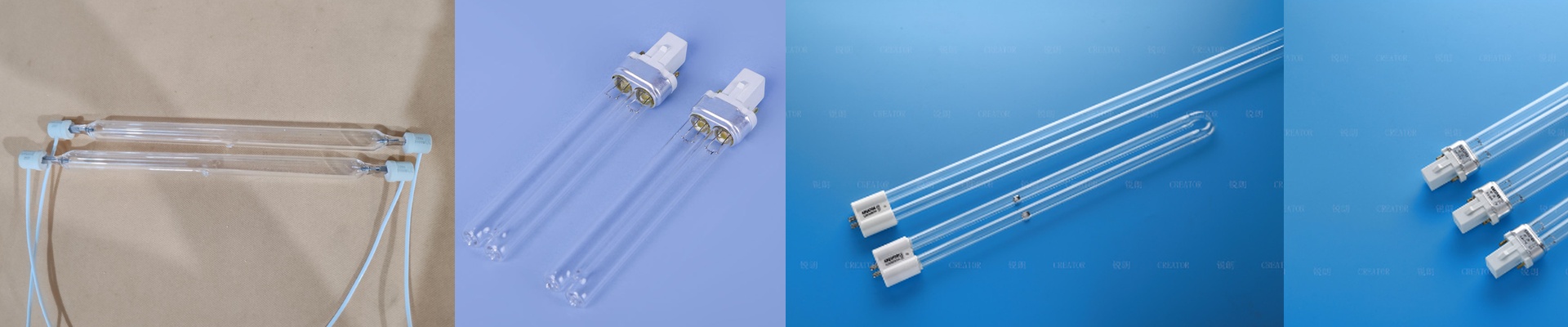
Getting Your UV Curing Right (Without the Toxic Mess)
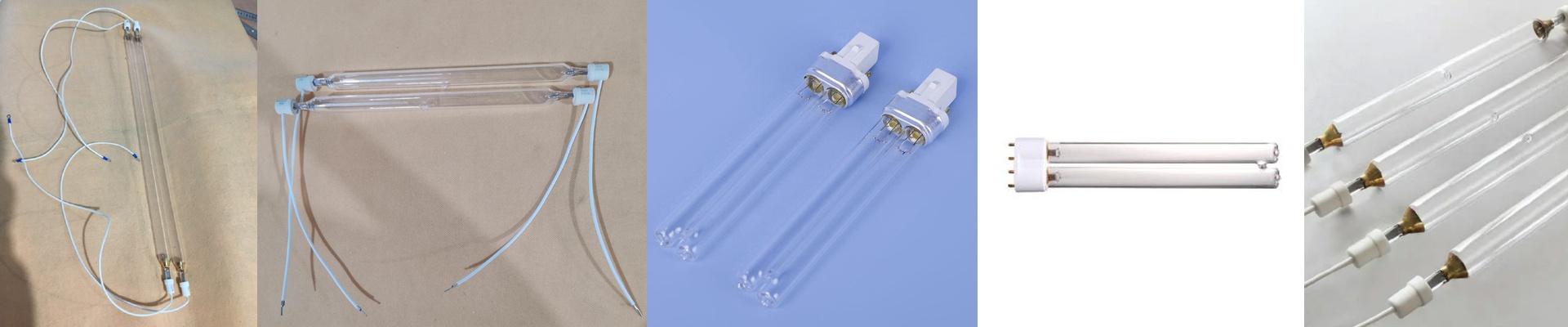
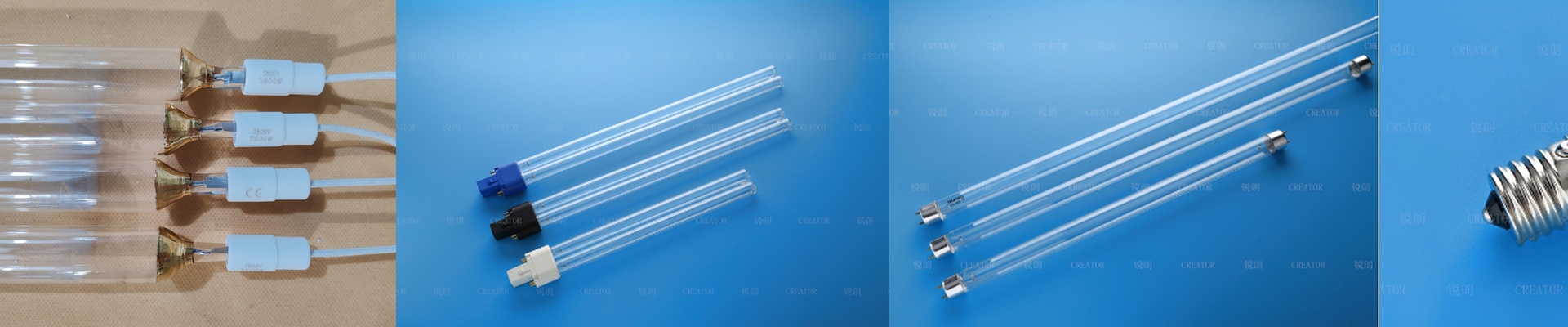
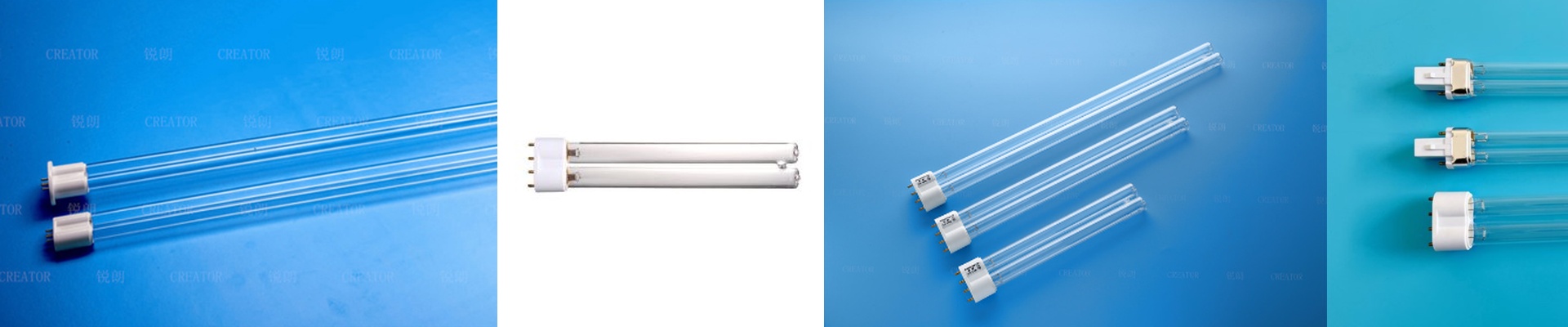
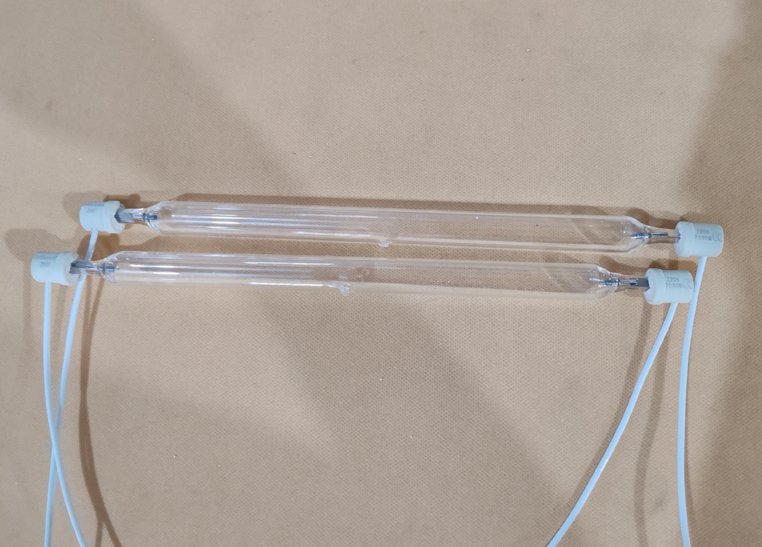
If you’re dealing with deep-cure industrial processes, you know the struggle. You need a specific kind of light to get the job done, but usually, that comes with a side of hazardous materials and a lot of waste. We’re doing things differently with our gallium iodide lamps. We’ve stripped out the nasty stuff to create a production cycle that doesn’t pollute, and we’ve built them to actually last. Less swapping, less waste.
The science of the “perfect hit”
It all comes down to the mix of gallium and iodine. We tweak this chemistry so the UV light can actually punch through thick coatings and heavy pigments instead of just bouncing off the surface. When we’re figuring out the right lamp for your line, we look at the tug-of-war between wattage and tube length. Sure, high-power density lets you crank up your line speed—which is great for your numbers—but it puts a lot of stress on the quartz. **One quick tip:**Make sure your ballast matches the lamp’s impedance. If they aren’t in sync, you’re just asking for a premature burnout.
Built to stay clear
We got tired of the old, toxic additives. Moving to eco-friendly materials isn’t some corporate PR move; it’s about making your life easier. Dealing with hazardous waste disposal is a headache and a drain on your budget. We also use high-purity synthetic quartz. Why? Because “solarization” is a killer. That’s when the glass gets cloudy over time and your UV output just tanks. By refining the electrodes, we’ve pushed back the clock, meaning your lamps stay above that critical mW/cm² threshold for much longer.
What to expect when you plug them in
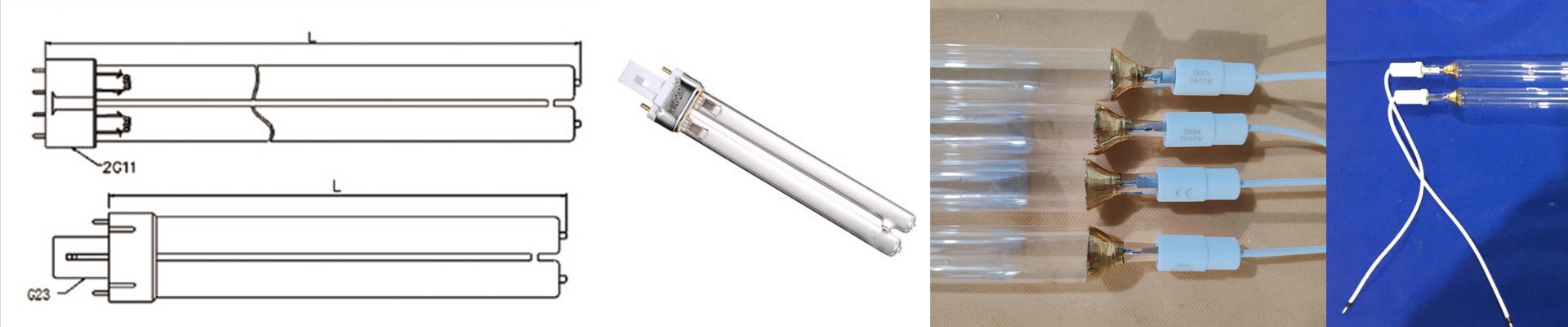
These are designed to be drop-in replacements. We keep the tolerances on the end-caps tight so they slide right into your existing reflectors without any fuss. But here’s the thing you need to watch out for: the startup. Because these are built for the long haul, they pull more energy during the warm-up phase than a standard mercury lamp. Just double-check that your electrical panel can handle that initial inrush current. You don’t want to be tripping breakers every time you flip the switch in the morning.