Getting Your Ink to Dry Fast: The Real Deal on UV Curing
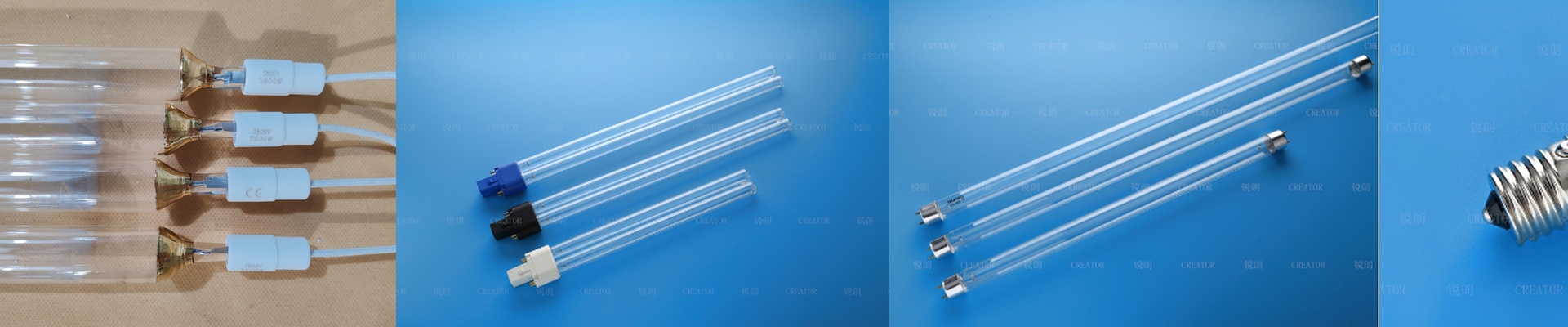
We build UV lamps for one reason: to make sure your ink or coating is bone-dry the second it hits the end of the line. No smudging. No waiting. Just a clean, hard finish on a moving substrate.
The Science (Without the Boring Part)
It all comes down to hitting the right spot. We tune our lamps to match the specific chemistry of your ink. If you’re cranking up your conveyor speed, you’re going to need more wattage to get the job done. Simple as that. But here’s the catch: more power means more heat. If your cooling fans or water jackets can’t keep up, you’re looking at warped materials or burnt-out lamp ends. It’s a balancing act.
Why the Build Matters
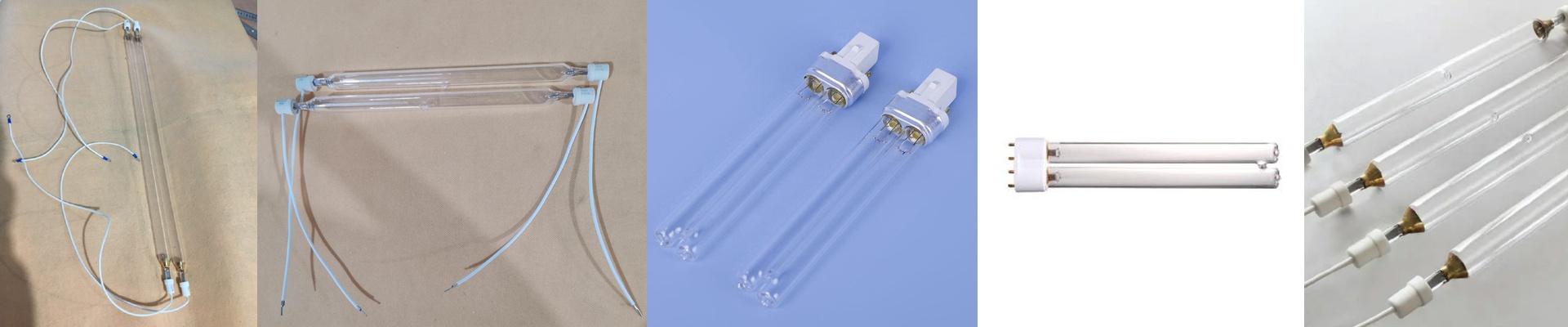
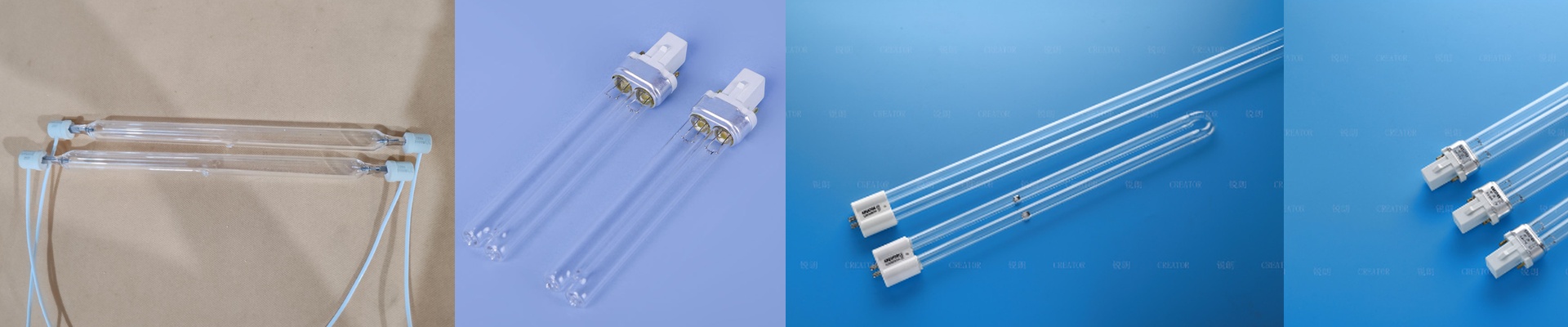
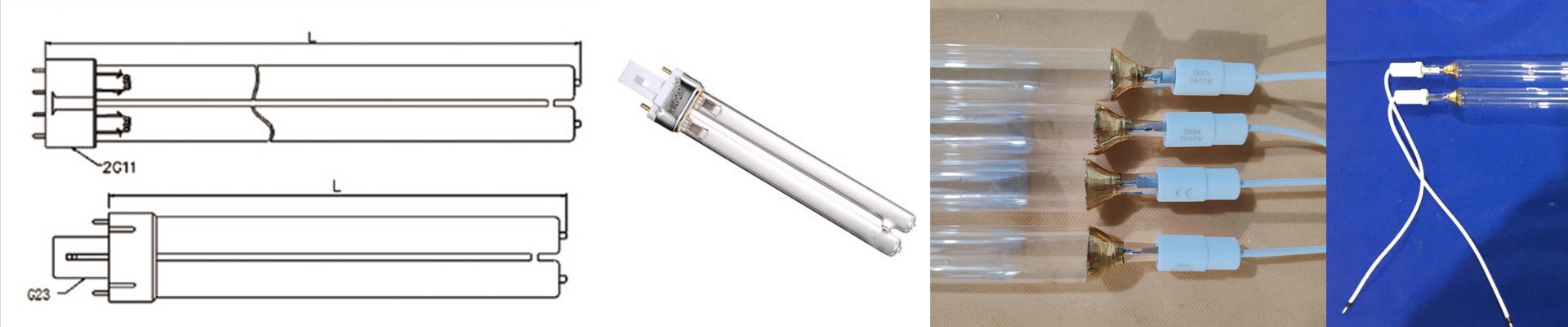
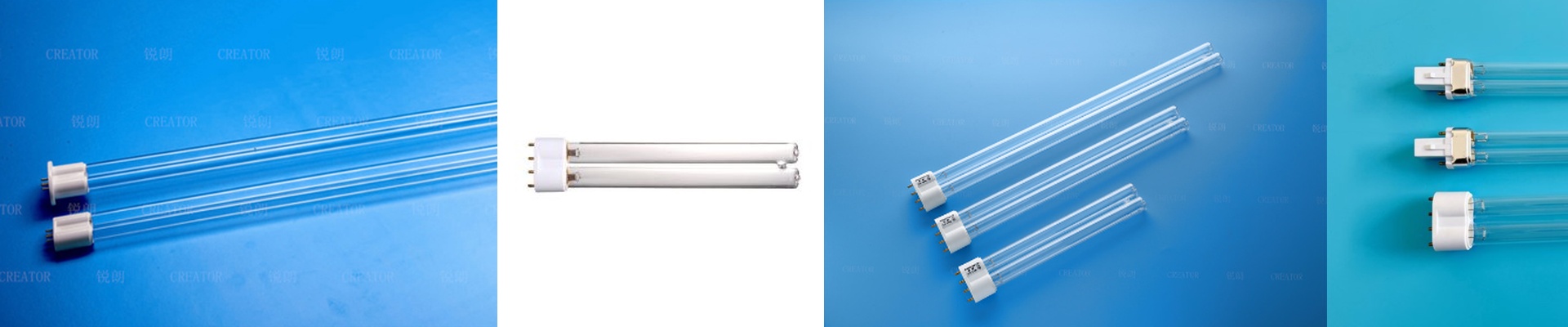
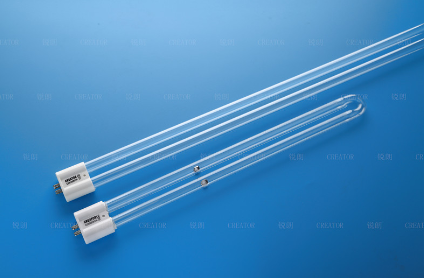
We use high-purity fused quartz for the glass. Why? Because it stays out of the way. It lets the UV light fly straight through instead of soaking it up. Then there are the electrodes. We obsess over where they sit because if that arc shifts even a little, you get “tacky spots.” You know the feeling—one part of the print is perfect, and the other feels like a sticky note. We keep the tolerances tight so the lamp slides right into your reflectors without any annoying gaps.
Getting It Running
These are designed to be drop-in replacements. You swap them out, and you’re back in business. Just a heads-up on the wiring: double-check your ballast settings. If the current is off, you’ll kill your lamp way faster than you should. I see a lot of shops pushing their lamps at 110% power just to hit a deadline. Sure, it works for a while. But you’re basically cutting the life of your equipment in half. We give you the raw power you need to get a crisp finish—just don’t redline it unless you have to.