Getting Your UV Lamp Replacement Right (Without the Headache)
Here’s the thing about replacing a UV lamp: it’s not as simple as just finding a tube that fits the slot. If you’re running high-speed printing lines, you know the frustration of a “tacky” surface. It’s a nightmare. One minute everything looks fine, and the next, your cure is off and you’re staring at a pile of wasted material. That usually happens because the spectral output or the heat load is just a bit off. We don’t just put a part in a box and ship it. We actually look at your ink chemistry and how fast your line is moving to make sure the tech actually fits your setup.
The Tug-of-War Between Power and Heat
When you’re picking a lamp, you’re basically playing a balancing act. Sure, cranking up the wattage gives you more photon flux, which makes the ink cross-link faster. Great, right? But there’s a catch. All that power in a small space creates an incredible amount of heat. If your cooling fans or water jackets can’t keep up, you’re asking for trouble. You’ll either warp your substrate or burn out the bulb way sooner than you should. It’s a fragile balance.
The Nitty-Gritty: Glass and Connections
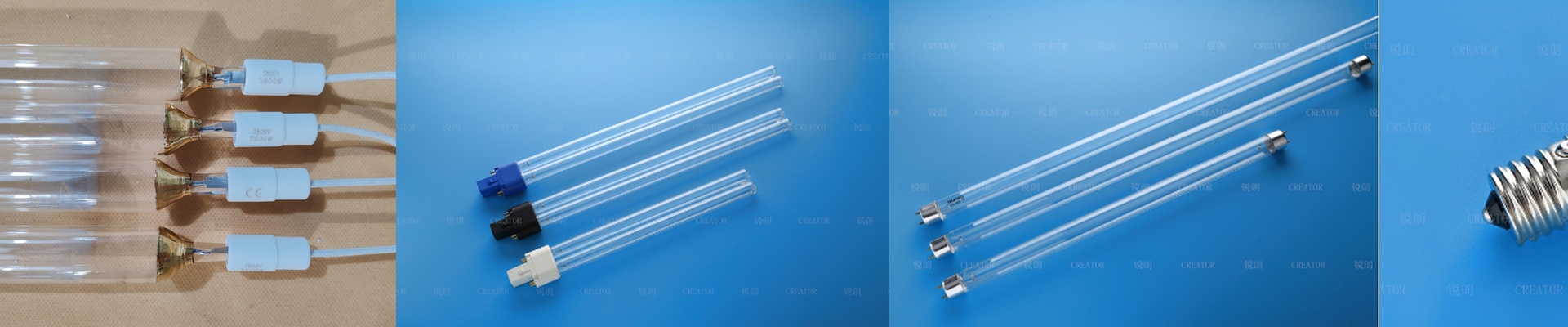
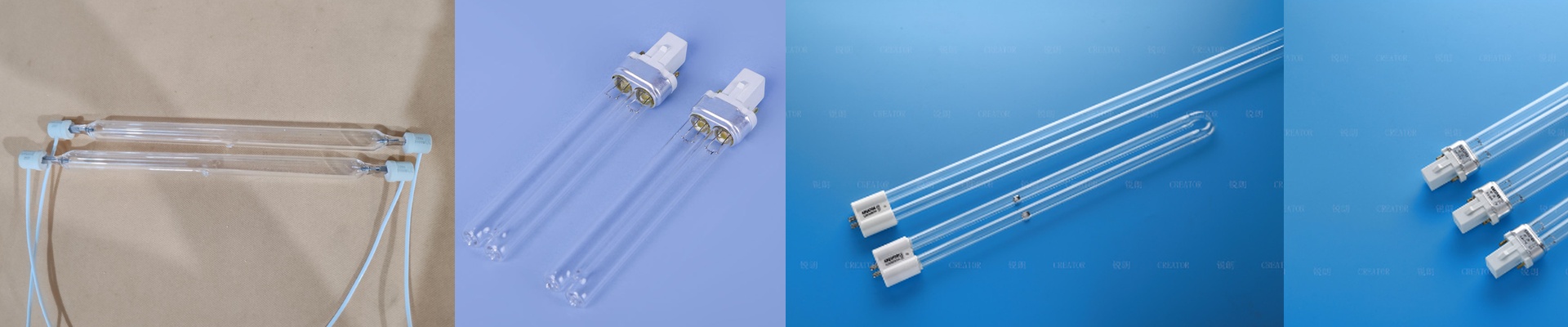
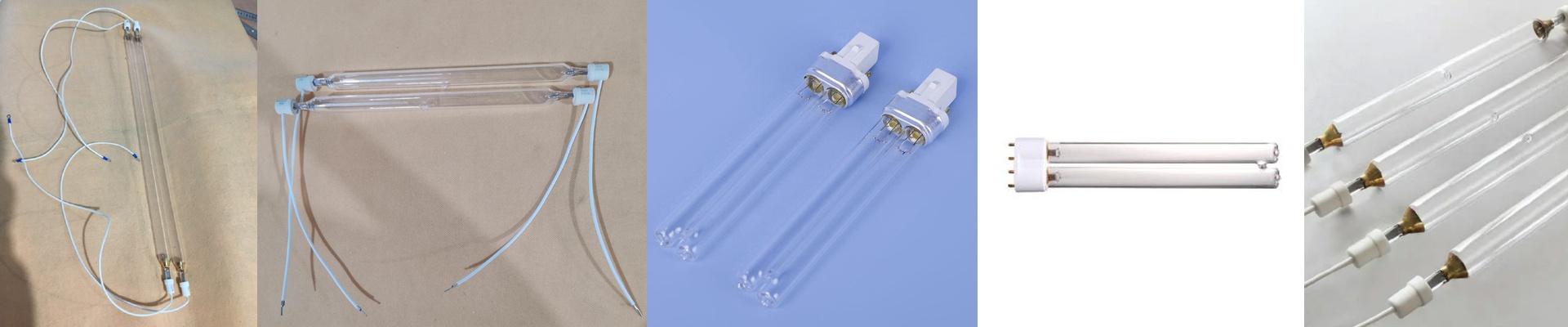
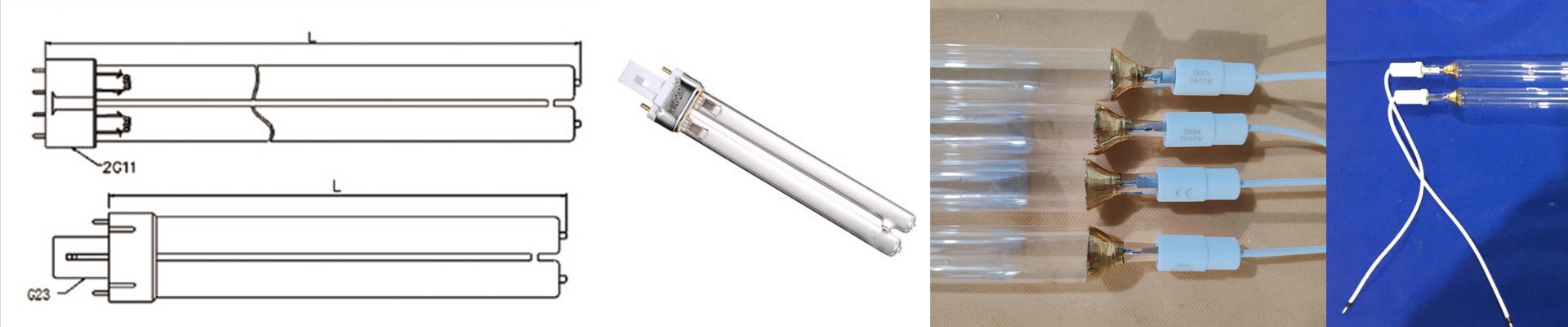
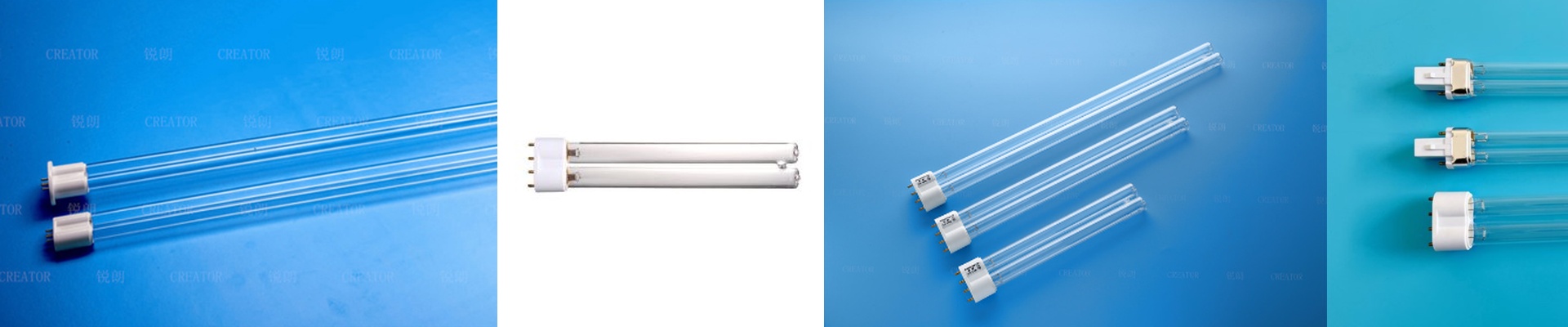
We’re pretty obsessive about the quartz grade and the electrodes. Cheap quartz is a trap. Under heavy UV-C exposure, it starts to “solarize”—meaning the glass gets cloudy and blocks the light. It’s like trying to shine a flashlight through a frosted window. We use high-purity fused quartz so that doesn’t happen. Then there are the connectors. Whether you’re dealing with R7s or pin bases, those contact points have to be rock solid. If the fit is loose, you get arcing. And arcing? That’s a one-way ticket to a fried ballast.
It’s More Than Just a “Drop-In” Part
A replacement lamp only does its job if the wavelength plays nice with your photoinitiators. If you’ve switched your inks lately but kept the old lamps, you’re probably wasting a ton of energy—or worse, you’re under-curing. We’ll take a look at your line speed and how thick your ink is. Maybe you need a gallium-doped composition, or maybe you just need to tweak the power density. The goal is a consistent cure across the entire web, not just a sweet spot in the middle.