Getting the Most Out of Your UV Germicidal Lamps
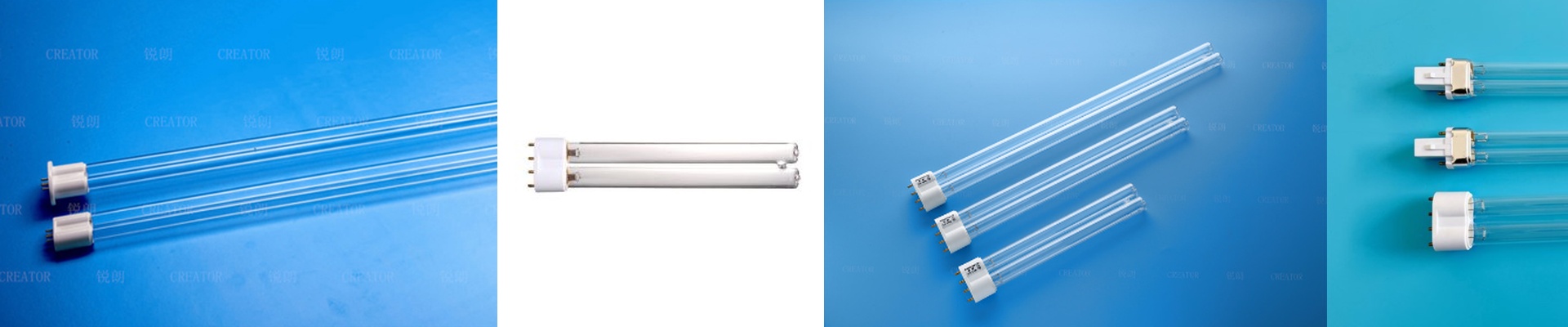
Let’s talk about UV-C lamps. To actually kill germs, you need a very specific hit of light—right around 253.7nm—to scramble the DNA of whatever you’re cleaning. When people hear “cost-effective,” they usually think “cheap materials.” But in this business, cutting corners on the glass is a disaster. We don’t do that. Instead, we save you money by owning the whole process, from the raw quartz to the final assembly.
The Quartz Secret
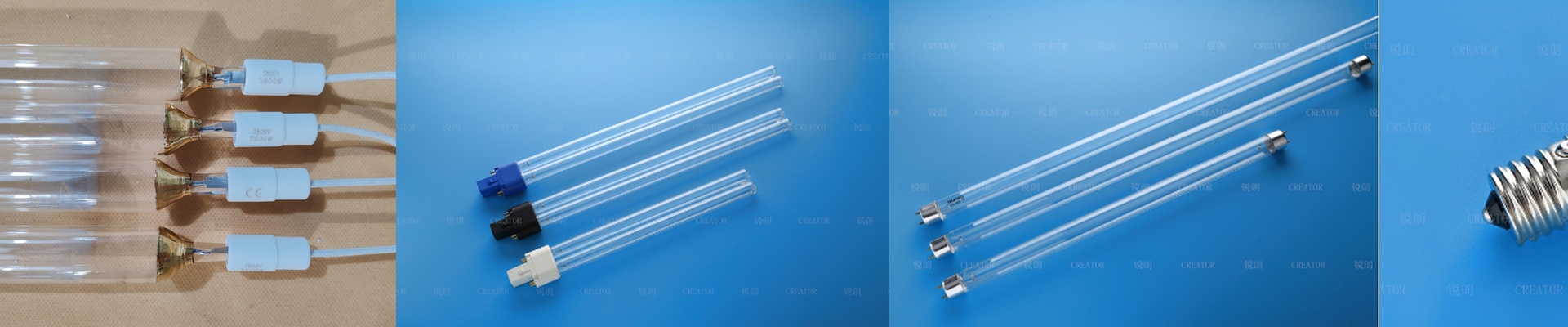
You can’t just use any old glass. Standard glass blocks UV-C light completely. That’s why we use high-transmittance synthetic quartz. Here is the thing: if the quartz isn’t pure, you lose power. Even a tiny dip in quality means you’ll need to buy more lamps just to get the dosage you need. We also obsess over the mercury vapor pressure. Too much and the lamp overheats. Too little and the light is too weak to do the job. It’s a delicate balance.
Ballasts and Fit
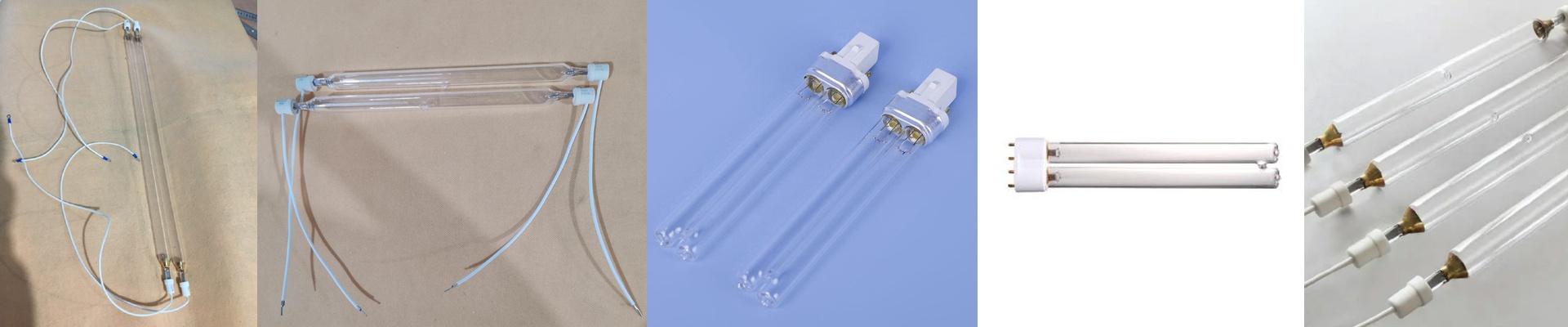
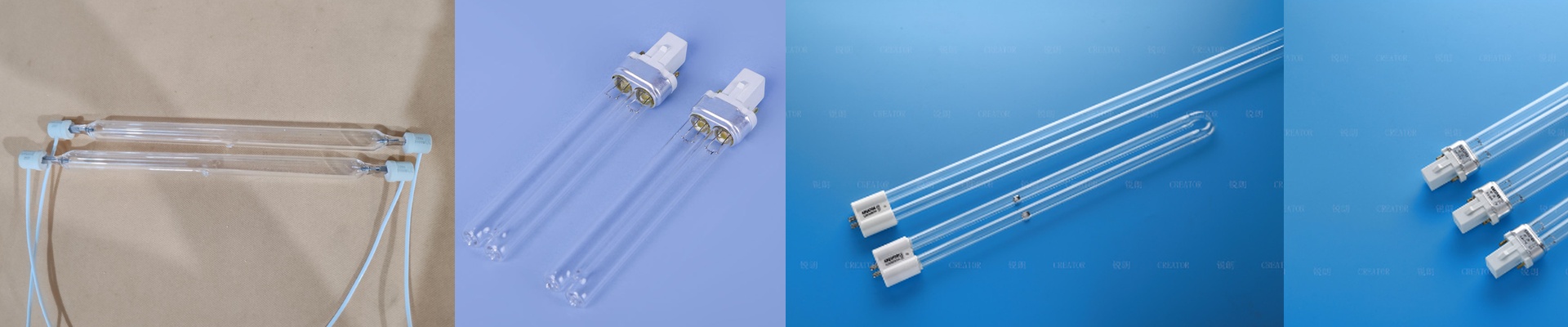
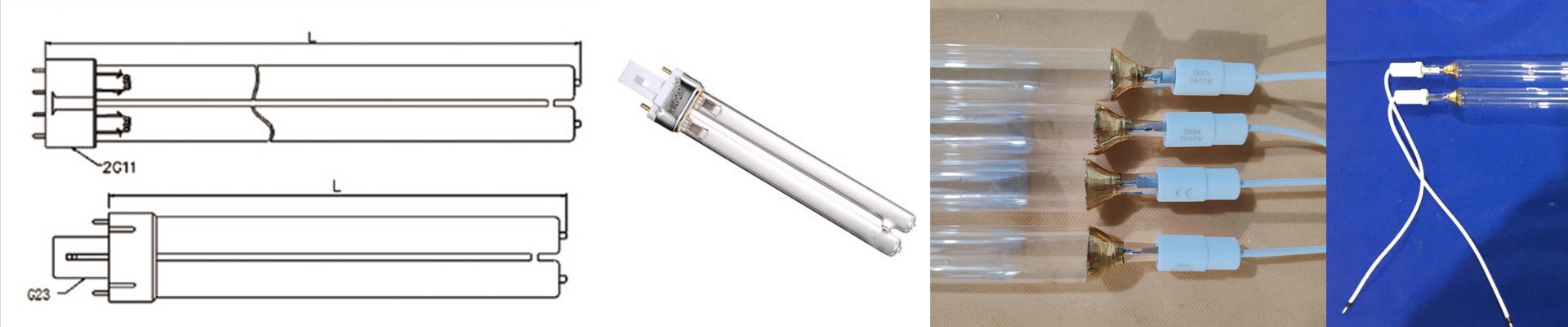
Most of these tubes need a high-voltage kick to start. If your ballast doesn’t match the lamp’s current, you’ll see flickering or, worse, the electrodes will start to sputter and fail. We make our lamps to be simple, drop-in replacements. We keep the pin layouts and diameters tight so they actually fit into your industrial arrays without you having to force them in or “make it work.”
The Trade-off: Power vs. Time
It’s a tug-of-war. High-output lamps kill germs faster, but they beat up the cathodes. If you push the wattage too hard, the lamp dies sooner. We spend a lot of time tweaking the electrode coating. The goal is to give you a long lifespan without losing that initial punch of UVC flux. You want a lamp that lasts, but you also want it to actually work.
Real-World Use
These go everywhere—HVAC ducts, water treatment systems, disinfection tunnels. Because we handle the raw quartz and the testing ourselves, we get to cut out the middleman. You aren’t paying for a fancy brand’s marketing team or a glossy brochure. You’re just paying for the tech. One last thing:**be careful.**These lamps are no joke. If an operator looks at one without shielding, they’ll be blinded in seconds. Keep them covered.